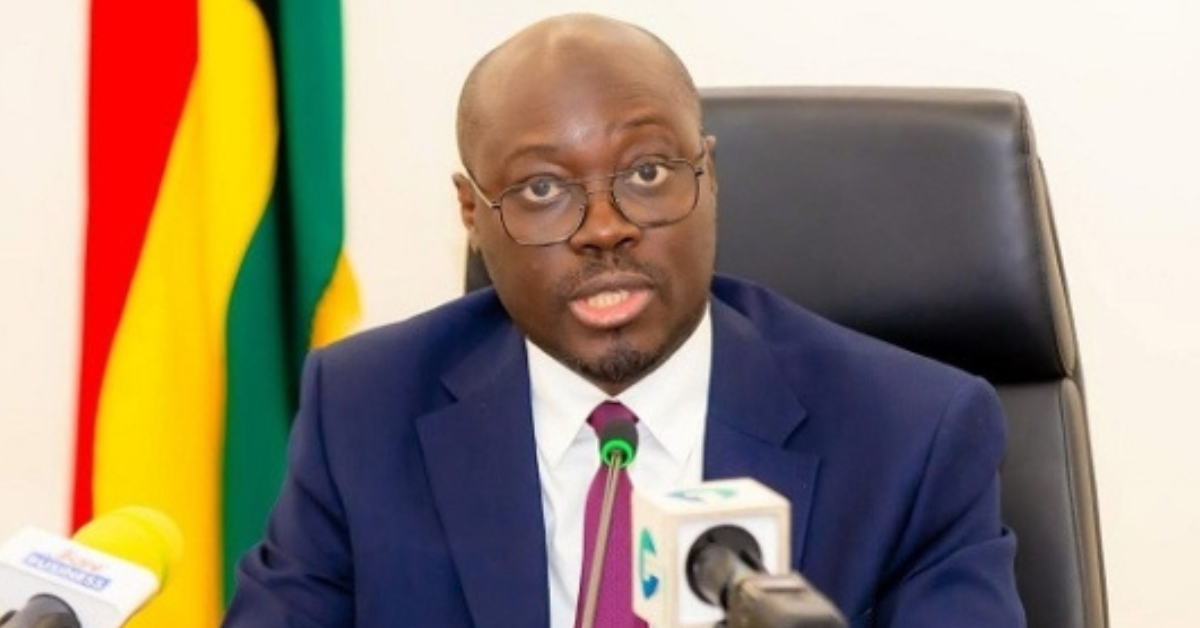
Ghana’s economy has officially crossed the $100 billion mark, signaling a major turnaround in the country’s macroeconomic outlook. Finance Minister Cassiel Ato Forson announced the milestone and projected that gross domestic product could expand to $140 billion by 2026 if current growth momentum continues.
The announcement reflects renewed economic confidence and stronger performance across key productive sectors. According to the minister, the administration inherited an economy valued at less than $80 billion. However, strategic fiscal reforms and policy adjustments have driven output beyond the $100 billion threshold within a short period.
Official projections now indicate that Ghana’s nominal GDP could climb to $140 billion by the end of 2026. If that target materializes, Ghana would likely become Africa’s seventh-largest economy, strengthening its influence within West Africa and the broader continental market.
In a video shared on X, Ato Forson described the expansion as broad-based, noting that major sectors of the economy have recorded measurable improvements in recent months. He emphasized that sustained macroeconomic stability remains central to achieving the projected figures.
The minister also urged the private sector to align with the country’s economic reset. He encouraged businesses to adjust pricing structures in response to easing macroeconomic pressures so consumers can feel the impact of the recovery. Furthermore, he stated that private enterprises stand to benefit significantly from Ghana’s expanding economic base.
The administration of John Mahama, he added, remains focused on consolidating the gains through job creation, industrial expansion, and long-term transformation policies. Government officials believe stronger collaboration between public institutions and private investors will accelerate sustainable growth.
Ghana’s diversified economic structure continues to support resilience. Gold and cocoa remain major export earners, while oil and gas production increasingly contribute to GDP and government revenue. This broader base has reduced vulnerability to global commodity shocks and strengthened fiscal buffers.
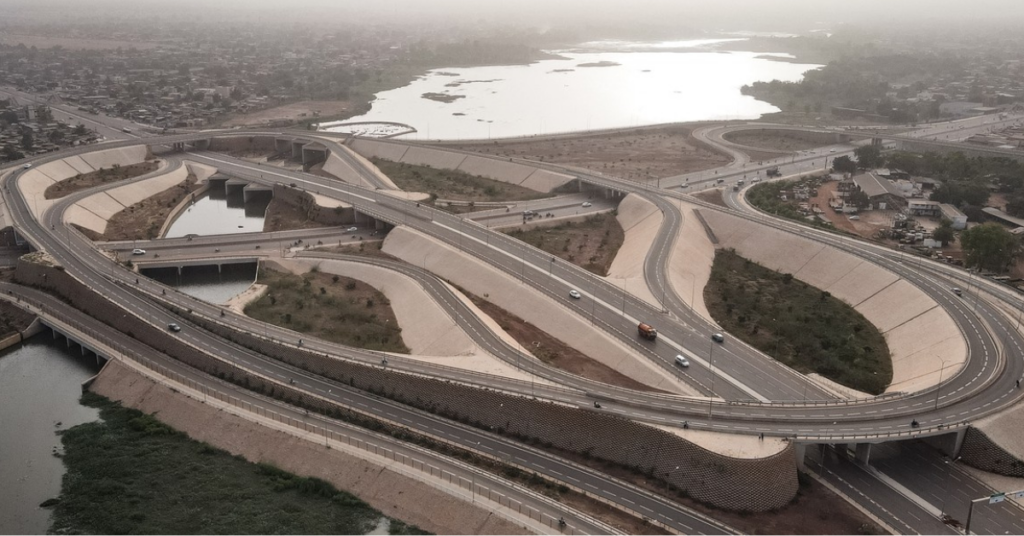
Public investment in infrastructure has also supported growth. Road networks, port expansion projects, and energy sector improvements have enhanced logistics efficiency and lowered operational bottlenecks for businesses. As a result, productivity levels have improved across multiple industries.
Economic analysts note that maintaining currency stability, controlling inflation, and sustaining investor confidence will be critical to reaching the $140 billion target. Nevertheless, the $100 billion milestone marks a symbolic and strategic achievement for Ghana’s economy.
If projections hold, Ghana’s GDP growth trajectory could redefine its economic standing in Africa by 2026, positioning the country as a rising economic powerhouse on the continent.