Ghana has taken a significant step toward strengthening its energy security as the state-owned Tema Oil Refinery (TOR) resumes crude processing after more than six years of inactivity. The development marks a renewed effort to reduce the country’s heavy dependence on imported refined fuel and ease pressure on foreign exchange reserves.
Officials confirmed that the refinery’s crude distillation unit is back in operation, although details around current output levels have not yet been disclosed. The restart follows an extensive restructuring and rehabilitation process aimed at slashing Ghana’s estimated USD 10.2 billion annual fuel import bill.
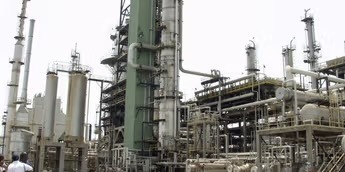
When fully operational, TOR is expected to meet up to 60 percent of domestic fuel demand, potentially saving the economy around USD 400 million every month in import costs. With a nameplate capacity of 45,000 barrels per day, the refinery could play a pivotal role in stabilising fuel supply and insulating the local market from global price volatility.
TOR, Ghana’s only refinery, has faced prolonged challenges over the years, including ageing infrastructure, chronic funding gaps and operational disruptions. A fire incident in 2017, coupled with rising debt levels, forced the facility into extended shutdown, leaving the country almost entirely reliant on imported fuel despite being an oil-producing nation. By 2019, the refinery’s debt reportedly exceeded USD 300 million, largely due to operational losses and its inability to sell refined products to service bank loans.
The latest restart is backed by government-led maintenance and rehabilitation efforts as part of a broader strategy to strengthen domestic energy infrastructure, rein in fuel import costs and curb inflationary pressures linked to exchange rate volatility.
However, the absence of official confirmation on current throughput and the operational status of other processing units suggests the restart may still be in its early or testing phase. Analysts note that sustaining production will depend on consistent crude supply, adequate working capital and long-term technical upgrades—areas that have undermined previous revival attempts.
Ghana’s refinery revival aligns with a growing continental shift toward local crude processing. Across Africa, governments are investing in new refining capacity and rehabilitating existing plants to boost energy self-sufficiency, create industrial jobs and conserve foreign exchange.
From Nigeria’s Dangote Refinery to refinery upgrades in Angola and new projects in Uganda and Senegal, the continent is signalling renewed commitment to downstream oil infrastructure. Ghana’s move fits squarely into this broader trend, even as questions remain about long-term sustainability.
Still, industry observers say that even a partial restart of TOR represents both a symbolic and practical milestone. For Ghana, keeping its sole refinery operational regardless of capacity could reduce exposure to fuel price shocks and reinforce confidence in domestic energy assets at a time when African economies are increasingly reassessing their dependence on imports.