Guinea is positioning itself as one of West Africa’s most promising frontier energy destinations as the government prepares to showcase new oil, gas and power investment opportunities at the upcoming Invest in African Energy (IAE) Forum 2026 in Paris.
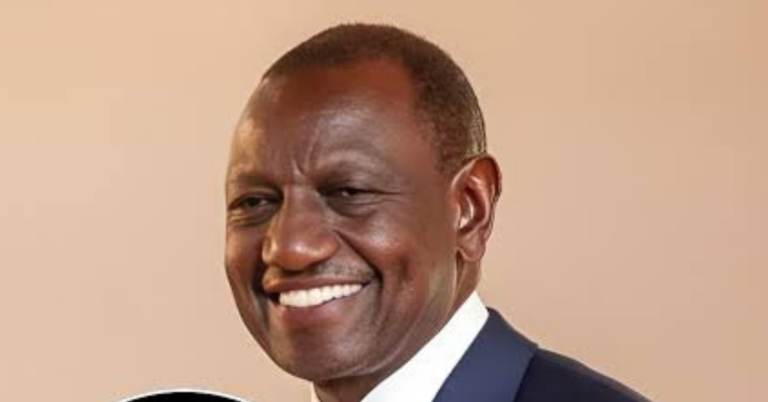
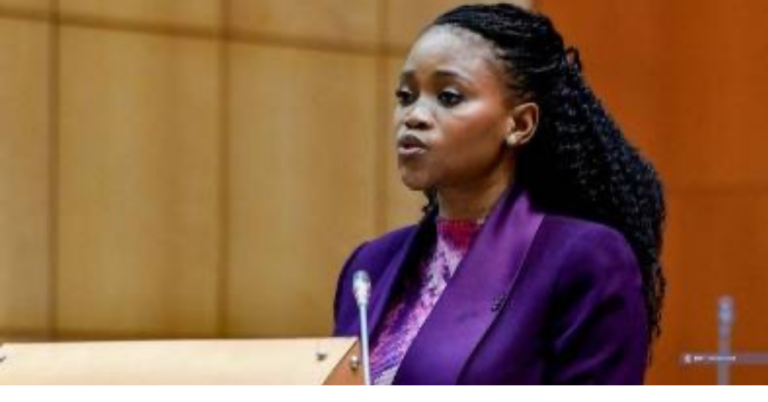
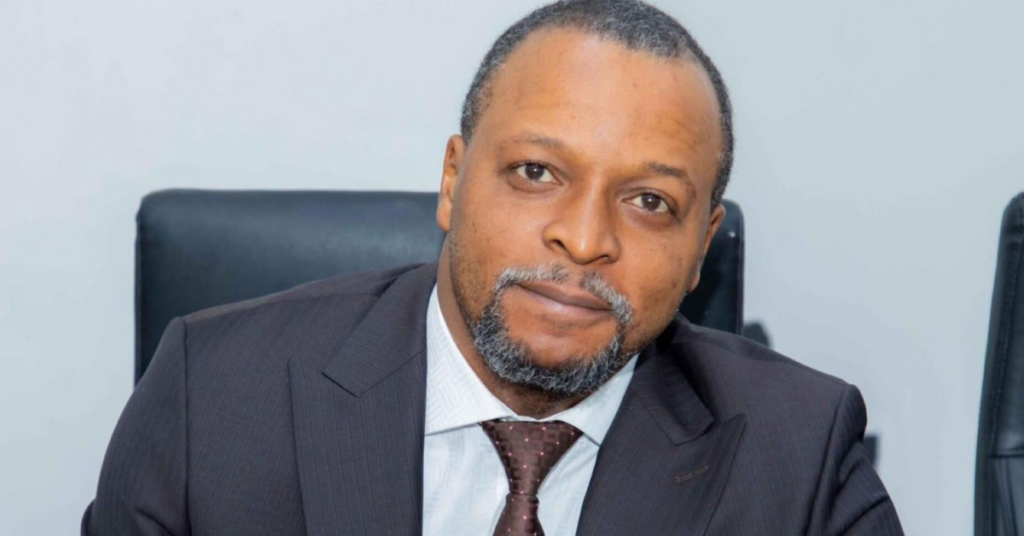
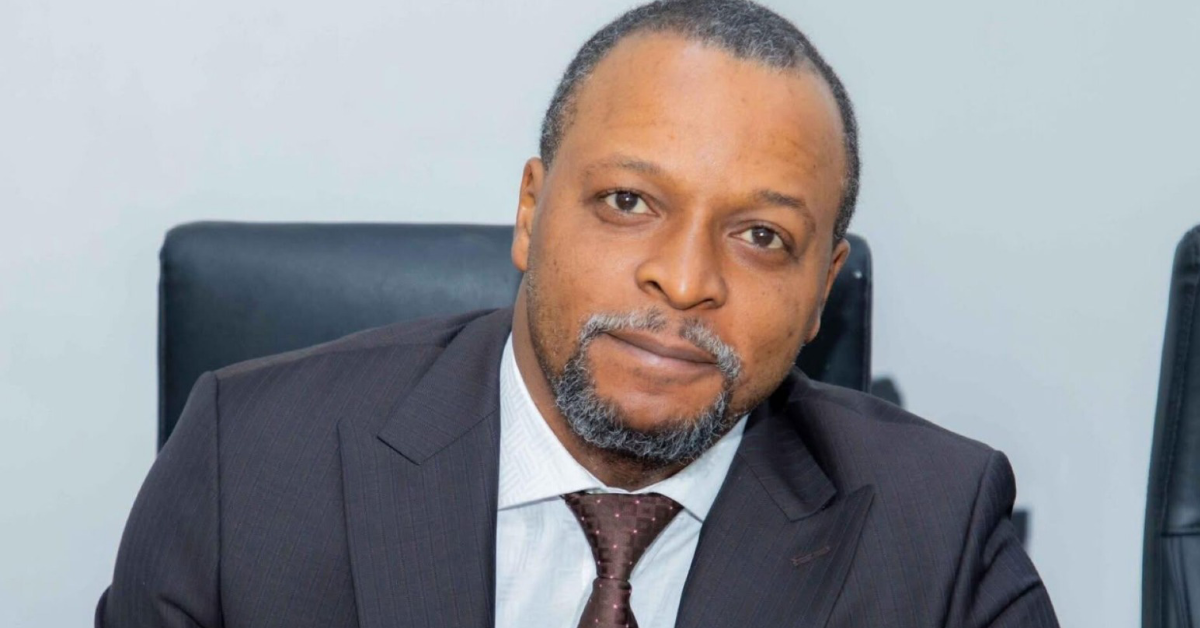
At the global energy gathering, Aboubacar Camara, Minister of Health, Sanitation, Energy, Hydraulics and Hydrocarbons of Guinea, will outline the country’s strategy to unlock upstream petroleum potential while expanding electricity generation capacity to power industrial growth and mining operations.
The move comes as exploration momentum intensifies across the MSGBC Basin, a hydrocarbon province spanning Mauritania, Senegal, The Gambia, Guinea-Bissau and Guinea. Major discoveries in recent years have transformed investor confidence in the basin. Consequently, Guinea now aims to position its offshore acreage as the next exploration frontier in West Africa.
To attract international operators, the government is preparing a licensing round that will offer 22 onshore and offshore exploration blocks. Authorities have already advanced the technical framework and fiscal terms for the bid round. At the same time, Guinea has expanded access to geological data through a new National Seismic Data Visualization Center developed in partnership with SLB and TGS.
The digital data platform will allow investors to evaluate offshore prospects more effectively before bidding begins. As a result, industry players will gain clearer insight into Guinea’s underexplored sedimentary basins.
Although Guinea has recorded limited drilling activity in the past, interest in the country’s offshore margin has increased sharply. Recent offshore discoveries in neighboring Senegal and Mauritania have highlighted the basin’s significant resource potential and triggered renewed exploration interest across the region.
Meanwhile, Guinea continues to expand its electricity infrastructure to support economic growth. Hydropower remains the backbone of the national grid, with several large dams along the Konkouré River already boosting energy supply.
The 450-megawatt Souapiti Hydropower Plant and the 240-megawatt Kaleta Hydropower Plant have dramatically increased national generation capacity in recent years. These projects have strengthened grid stability while providing reliable electricity to mining operations and urban centers.
Further expansion is already underway. The 300-megawatt Amaria Hydropower Project and the 294-megawatt Koukoutamba Hydropower Plant are progressing through development phases. The Koukoutamba project is being implemented under the Senegal River Basin Development Authority and will supply electricity to several West African countries once completed.
Beyond hydropower, Guinea plans to diversify its energy mix through gas and renewable investments. One proposal focuses on building an LNG terminal at the Port of Kamsar. The facility would support both import and export operations while supplying fuel for a planned gas-fired power plant capable of generating up to 1,900 megawatts of electricity.
Solar power also plays a growing role in the country’s long-term energy strategy. Government plans aim to install up to 500 megawatts of solar generation capacity in the coming years. This expansion will help reduce seasonal reliance on hydropower while opening opportunities for independent power producers and infrastructure investors.
Regional electricity integration is also advancing. Financing approved in 2025 for the Guinea–Mali electricity interconnection project will strengthen power supply in eastern Guinea. In addition, the project will support cross-border electricity trade through the West African Power Pool and improve grid stability across the region.
By presenting these projects at IAE 2026, Guinea hopes to attract global investors interested in frontier oil exploration and large-scale energy infrastructure. The government believes that partnerships with international energy companies and financiers will accelerate development of its hydrocarbon resources while expanding power supply for industrial and economic growth.