African-linked vessels have started navigating the Strait of Hormuz again after a fragile ceasefire between the United States and Iran. However, traffic remains sharply below normal levels, highlighting ongoing risks in the global oil supply chain.
The development signals cautious optimism for energy-dependent African economies. Still, hundreds of ships remain stranded, and geopolitical tensions continue to shape maritime access.
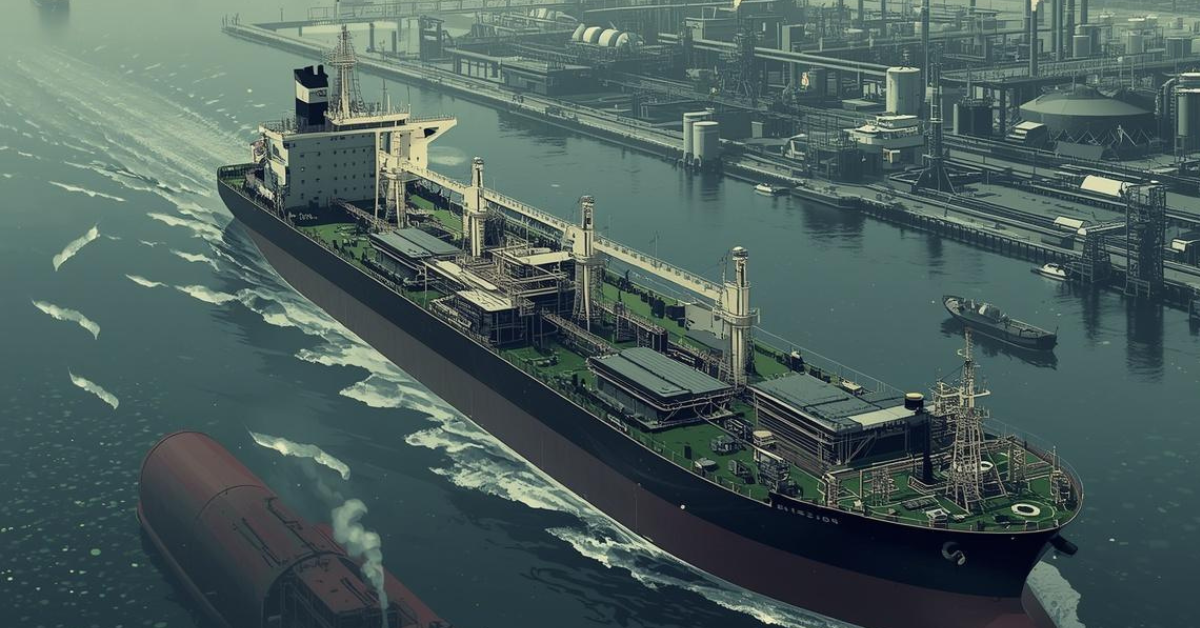
The Gabon-flagged tanker MSG became one of the first non-Iranian vessels to pass through the strategic waterway after the truce. It transported about 7,000 tonnes of fuel oil from the United Arab Emirates to India, according to shipping data.
Similarly, the Liberia-flagged tanker Daytona Beach successfully crossed the strait shortly after departing Iran’s Bandar Abbas port. These movements suggest that limited access is being restored under strict Iranian oversight.
In contrast, a Botswana-flagged liquefied natural gas tanker, Nidi, failed to complete its journey. Iranian Revolutionary Guard forces reportedly instructed the vessel to reverse course while attempting to exit the Persian Gulf. This move underscores Iran’s continued authority over maritime traffic in the region.
Iran has insisted that vessels must coordinate their movement and follow designated routes. As a result, shipping activity remains tightly controlled despite the ceasefire agreement.
Data from market intelligence firms shows that only a handful of ships have crossed the strait since the truce. Typically, more than 100 vessels pass through the corridor daily. Now, fewer than a dozen crossings have been recorded, while over 600 ships remain stranded across the الخليج.
This disruption continues to raise concerns about supply delays and rising shipping costs globally.
Meanwhile, Iran has clarified its position on access. Officials stated that only vessels linked to the United States and Israel face restrictions. Other countries, including South Africa, may benefit from special arrangements.
Iran’s ambassador to Pretoria, Mansour Shakib Mehr, dismissed claims that energy routes had been fully shut since the conflict began. Instead, he emphasized that controlled passage remains possible under specific agreements.
Furthermore, Iran has already allowed shipments bound for China and India under similar conditions. Authorities may extend these arrangements to African nations seeking stable energy imports.
Despite these openings, uncertainty persists. Nigeria and Angola continue to cushion supply gaps across parts of Africa. Together, they provide a significant share of crude oil to regional markets. However, the continent remains vulnerable to global price swings.
At the same time, several countries, including China, India, Malaysia and Egypt have initiated talks with Tehran to secure safe passage. Iran is also considering new measures to formalize its control, including potential tolls on container ships.
Reports suggest that fees could reach up to $2 million per vessel. Additionally, Iranian officials are exploring cryptocurrency-based levies on oil shipments, which could further reshape global trade dynamics.
Tensions between Washington and Tehran continue to weigh heavily on the situation. US President Donald Trump criticized Iran’s handling of oil transit, warning against imposing additional charges on tankers.
On the other hand, Iran’s Foreign Minister Abbas Araghchi accused the United States of failing to uphold its commitments under the ceasefire agreement.
As both sides exchange accusations, the Strait of Hormuz remains a critical pressure point in global energy security. The coming days will determine whether shipping activity can return to normal or if disruptions will deepen further.