Iran’s shadow oil network is quietly reshaping the global energy market, even as headlines warn of disruption across the Strait of Hormuz. Despite visible signs of collapse in tanker traffic and export routes, millions of barrels of crude continue to flow largely outside traditional tracking systems.
The global oil system is not frozen. Instead, it has transformed. A parallel supply chain now operates beneath the surface, driven by Iran’s so-called “dark fleet.” This network, built over years of sanctions pressure, now plays a central role in stabilizing supply during geopolitical stress.
Although official shipping activity through the Strait of Hormuz has dropped sharply, the waterway has not fully closed. Rather, control has shifted. Conventional, regulated vessels, especially those tied to Western markets have reduced operations significantly. Meanwhile, sanctioned tankers and ships with opaque ownership structures continue moving through the corridor with relative consistency.
This shift has created a two-tier maritime system. On one side sits the visible, regulated network struggling under restrictions. On the other, a flexible and opaque system continues to deliver oil to global markets.
Iran’s exports highlight this contrast. Estimates show the country still ships between 1.5 and 1.7 million barrels per day, close to pre-conflict levels. In March alone, over 16 million barrels reportedly passed through Hormuz under these shadow conditions.
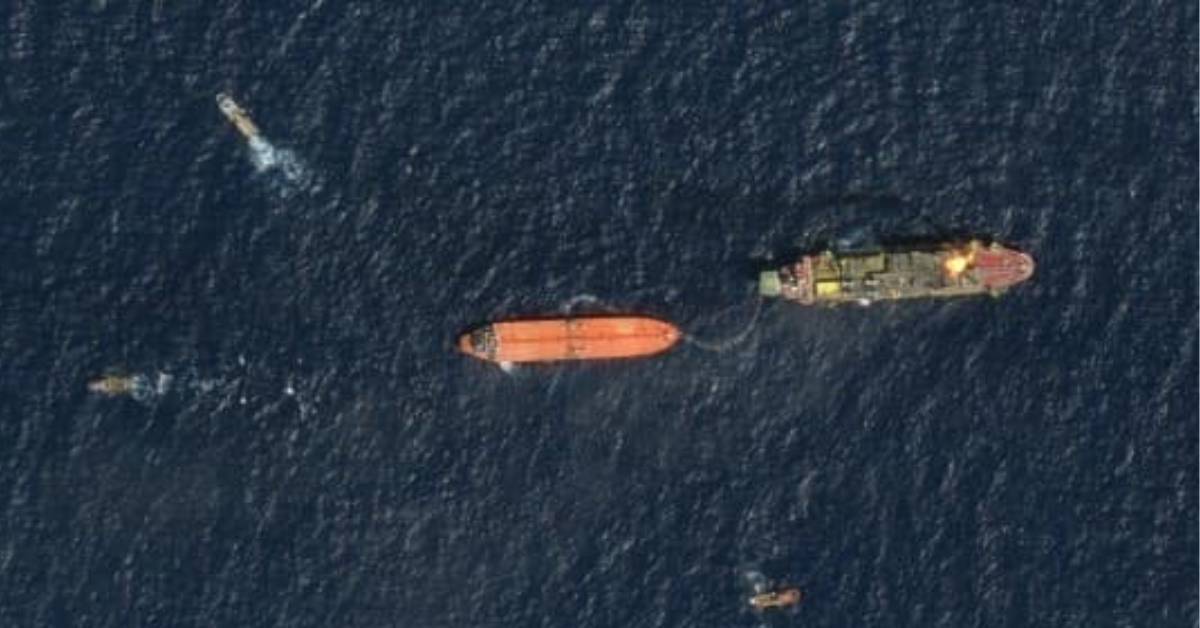
The mechanics behind this system are complex but effective. Tankers often disable tracking systems, conduct ship-to-ship transfers, and operate under shell companies registered in jurisdictions with weak oversight. Oil frequently changes hands multiple times before reaching final buyers, with China remaining a key destination.
Key hubs such as Kharg Island serve as primary loading points, while offshore storage and transfer zones stretch across the Gulf, Indian Ocean, and Southeast Asia. This decentralized approach makes disruption difficult without triggering broader conflict.
Importantly, markets continue to misread the situation. Many analysts rely on visible tanker data and official export figures. However, these indicators no longer capture the full picture. As a result, supply disruptions are often overstated in the short term.
At the same time, deeper risks remain underestimated. The dark fleet system depends on aging vessels, limited insurance coverage, and fragile logistics. Any accident or escalation could remove large volumes from the market overnight.
Iran has also strengthened its resilience by expanding alternative export routes. The Jask terminal on the Gulf of Oman allows shipments to bypass Hormuz entirely, adding another layer of flexibility to its strategy.
Global policymakers face a difficult balancing act. While sanctions aim to limit Iran’s revenue, a complete halt to its exports could trigger a severe supply shock. With global energy markets already under pressure, some level of tolerance appears to persist.
This strategic ambiguity keeps oil flowing for now. Yet it also introduces long-term instability. The more markets depend on opaque systems, the harder it becomes to predict or manage sudden disruptions.
A broader transformation is underway. The traditional oil market, built on transparency and regulation—is evolving into a dual structure. One layer remains visible and rule-based. The other operates through political influence, access, and logistical control.
Iran has emerged as a dominant player in this second system. However, other nations are already developing similar capabilities. This trend could weaken the effectiveness of sanctions and shift power toward those who control movement rather than production.
For now, the dark fleet acts as a stabilizing force. It prevents a sharper supply crisis and keeps global markets afloat. However, it also stores hidden risk beneath the surface.
As geopolitical tensions continue, the real story may not lie in visible disruptions but in the quiet flow of oil beyond conventional oversight. That unseen network increasingly defines the future of global energy.