Iran has introduced a controversial $1-per-barrel toll on oil shipments passing through the Strait of Hormuz, requiring payments in cryptocurrency. The move follows a fragile two-week ceasefire agreement with the United States, signaling a new phase of control over one of the world’s most critical oil routes.
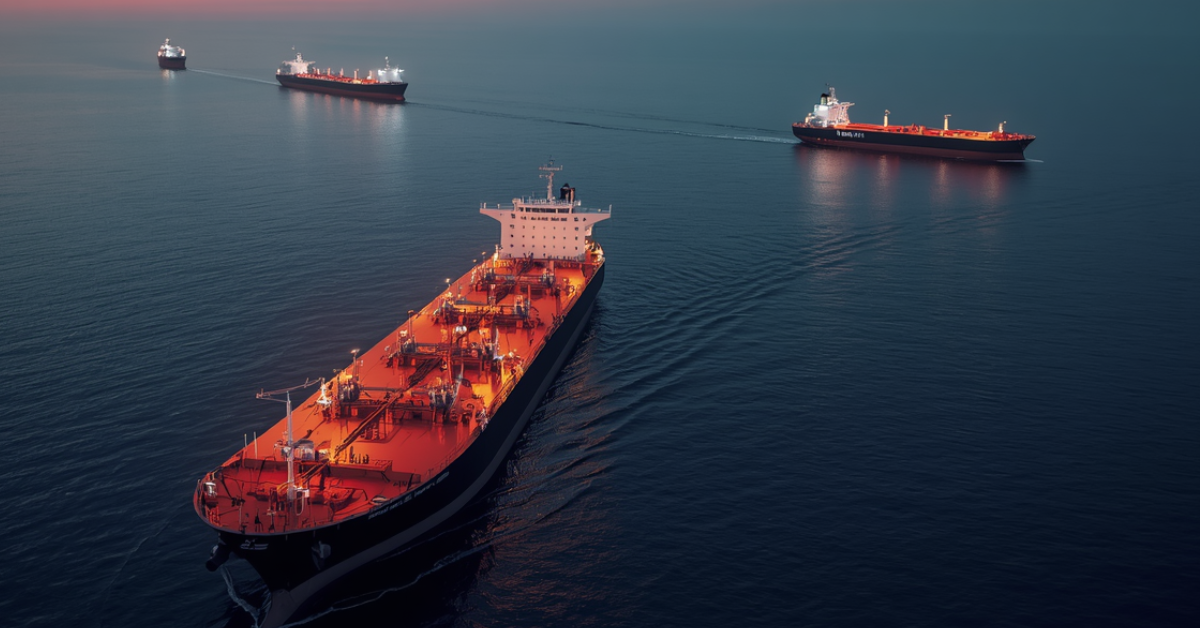
Shipping activity resumed cautiously on Wednesday. According to maritime tracking data, vessels began transiting the waterway hours after the agreement took effect. The Greek-owned bulk carrier NJ Earth crossed early in the morning, while the Liberia-flagged Daytona Beach had departed from Bandar Abbas shortly before navigating the corridor.
Iranian authorities confirmed that all vessel movements must now follow strict coordination with national armed forces. Abbas Araghchi stated that access to the strait would remain open only under monitored conditions throughout the ceasefire period.
At the same time, Tehran moved quickly to tighten oversight. Officials announced that every oil tanker must pay a transit fee based on cargo volume. Crucially, the government insists that all payments be made in cryptocurrency, a decision that could complicate compliance for global shipping firms.
Hamid Hosseini explained that authorities intend to assess each vessel individually. He added that Iran must track all cargo moving through the route to prevent potential arms transfers during the ceasefire window. As a result, ships may be required to travel along routes closer to Iran’s coastline, raising safety and geopolitical concerns for Western and Gulf-linked operators.
However, uncertainty continues to surround the agreement. While the ceasefire temporarily reduced tensions, reports of fresh attacks across parts of the Middle East emerged within hours. JD Vance described the truce as “fragile,” reflecting doubts about its durability.
Even more, conflicting interpretations of the deal have surfaced. Iran maintains that the arrangement legitimizes its new toll system. In contrast, other stakeholders have not confirmed acceptance of such conditions. This lack of clarity has left shipping companies weighing operational risks before resuming full transit operations.
Meanwhile, broader geopolitical tensions remain unresolved. Disputes over Iran’s missile and nuclear programs continue to loom, despite statements from Donald Trump suggesting possible cooperation on nuclear material oversight. Tehran has yet to publicly endorse those claims.
On the streets of Tehran, protests erupted shortly after the ceasefire announcement. Demonstrators voiced strong opposition to the United States and Israel, underscoring internal pressure on Iranian leadership amid ongoing negotiations.
As global markets monitor developments, the reopening of the Strait of Hormuz offers only partial relief. The introduction of crypto-based tolls adds a new layer of complexity to international oil trade, potentially reshaping how energy flows through one of the world’s most strategic maritime corridors.