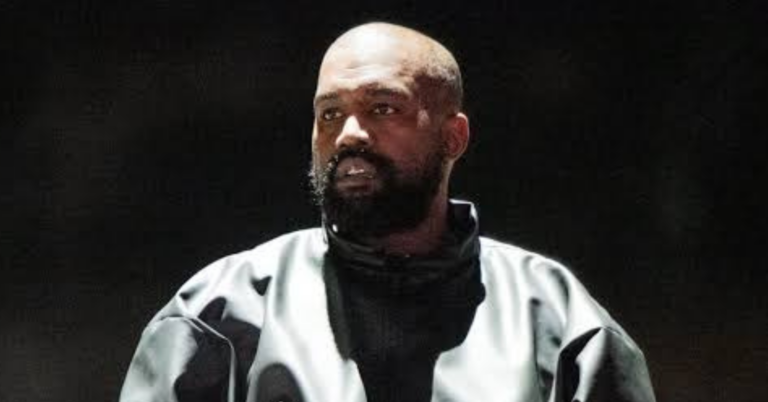
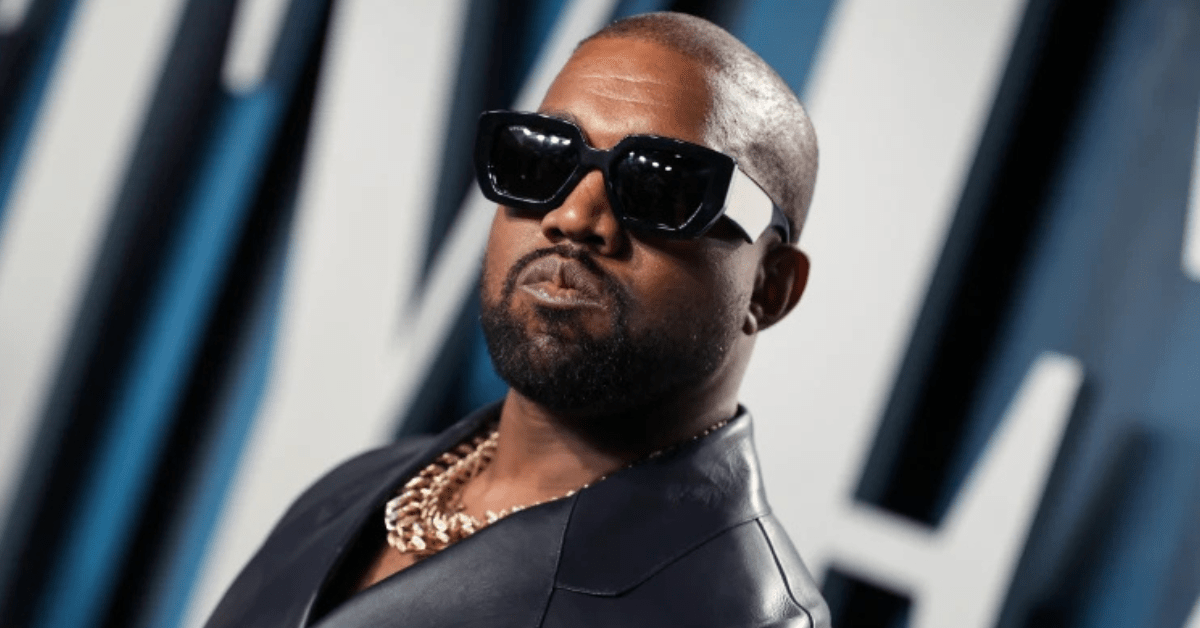
Wireless Festival organisers have confirmed that Kanye West will remain the headline act for the 2026 edition, despite mounting pressure and the withdrawal of major brand sponsors following the announcement.
Melvin Benn, managing director of Festival Republic, addressed the growing controversy in a strongly worded statement. He defended the decision while also acknowledging the sensitivity of past remarks made by the rapper. Benn stressed that he supports both Jewish and Palestinian communities and remains firmly anti-fascist in his beliefs.
However, he urged critics to adopt a broader perspective. Benn argued that the festival is not amplifying Kanye West beyond platforms that already stream and broadcast his music daily. According to him, millions still listen to the artist across radio and digital services without protest.
At the same time, Melvin Benn revealed a personal connection to mental health struggles. He explained that someone close to him has experienced episodes of troubling behaviour over many years. As a result, he has learned to embrace forgiveness and move forward. That perspective, he said, shaped his stance on giving the artist another opportunity.
Meanwhile, backlash has continued to ripple across the corporate landscape. Several global brands have distanced themselves from the London-based event. Pepsi and Diageo were among the first to withdraw sponsorship support.
Shortly after, PayPal announced it would no longer allow its branding to appear in festival promotions, although it has not completely severed ties. Rockstar Energy also reportedly stepped back, adding to the growing list of concerned partners.
Despite the corporate retreat, Kanye West’s commercial appeal appears resilient. The rapper recently generated an estimated $33 million from two sold-out shows at SoFi Stadium in Los Angeles. Each night drew tens of thousands of fans and featured surprise appearances from major artists, reinforcing his enduring fanbase and global reach.
Still, the debate around his inclusion at Wireless Festival reflects wider tensions in the entertainment industry. Critics argue that booking him sends the wrong message, while supporters insist that art should be separated from controversy. Benn leaned into the latter view, calling forgiveness a fading virtue in today’s increasingly divided world.
Ultimately, the festival’s stance signals confidence in fan loyalty over corporate backing. While sponsors may step away, audience demand continues to drive the business of live music. As the countdown to Wireless Festival 2026 begins, all eyes remain on how this high-stakes decision will shape both attendance and public perception.