Kenya has blocked a second fuel shipment at the port of Mombasa as authorities intensify investigations into a widening oil import scandal that has unsettled the country’s energy sector. The decision followed fresh findings tied to irregularities in a government-to-government oil procurement framework that now faces deep scrutiny.
Officials moved to stop the cargo after earlier investigations flagged inconsistencies in an initial fuel shipment that had already entered the supply chain. That earlier case triggered internal reviews and exposed alleged manipulation of fuel stock data used to justify emergency imports. As investigations expanded, regulators moved quickly to prevent a second cargo from docking under similar conditions.
The probe has already shaken key institutions in the energy sector. Senior officials resigned following allegations of procurement irregularities and data manipulation within the supply system. Among those affected are leaders linked to the Energy and Petroleum Regulatory Authority and the Kenya Pipeline Company, adding pressure on oversight bodies responsible for fuel distribution and storage.
Authorities have also drawn attention to existing supply agreements with major international oil traders, including Saudi Aramco Trading Fujairah, ADNOC Global Trading Ltd, and Emirates National Oil Company Singapore Ltd, which officials say continue to meet contractual obligations. However, investigators are now reviewing how emergency imports were justified despite these active contracts.
Energy and Petroleum Cabinet Secretary Opiyo Wandayi confirmed that the decision to block the second shipment was based on findings from the earlier cargo investigation. He stated that the government acted to protect public interest and secure the integrity of the fuel supply chain. At the same time, he assured the public that petroleum stocks remain sufficient and that no immediate shortage is expected.
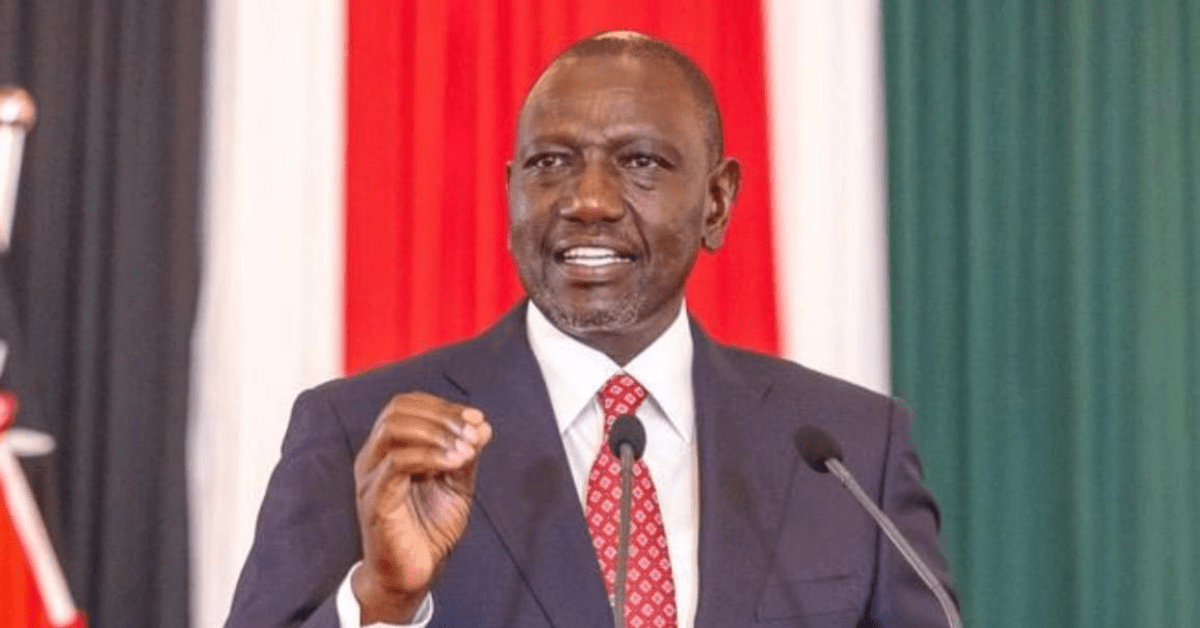
President William Ruto took a firm stance on the issue while speaking in Narok. He linked the disruptions to entrenched networks within the oil sector and external pressures linked to global instability. He vowed that his administration would dismantle cartel systems affecting critical sectors, including energy, just as it has attempted in agriculture and other industries since taking office. He emphasized that accountability efforts would continue without compromise.
Despite the turbulence, officials maintained that Kenya’s fuel supply system remains stable. The Ministry of Energy confirmed ongoing monitoring of stock levels and distribution channels to prevent disruptions. It also launched an internal review of petroleum management systems aimed at improving transparency and strengthening oversight across the supply chain.
The government further warned against exploitation of the crisis, stating that it would not tolerate profiteering or manipulation of fuel distribution systems. Investigations remain active, and authorities have indicated that more actions may follow as they examine procurement records, shipping approvals, and emergency import decisions linked to the scandal.