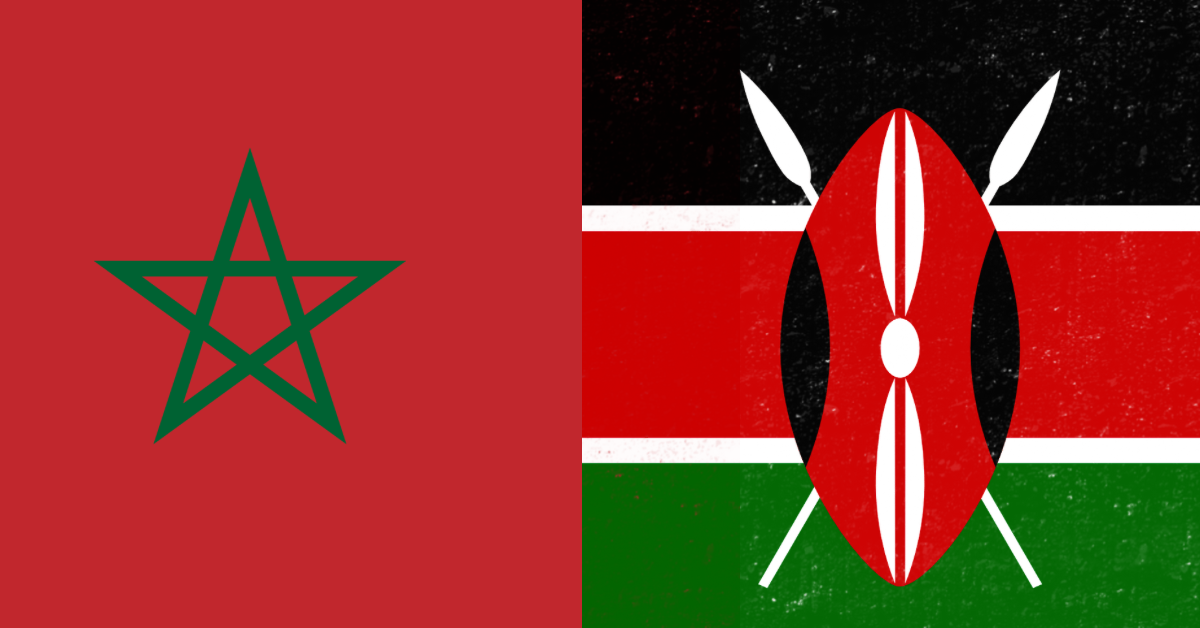
Morocco has officially overtaken Kenya to become Africa’s leading avocado exporter in 2025, marking a dramatic shift in the continent’s agricultural export landscape. The North African nation nearly doubled its shipments within a year and now aims to secure space on supermarket shelves in the United States and the United Kingdom.
New figures released by the Food and Agriculture Organization (FAO) show Morocco’s avocado exports jumped from 73,848 tonnes in 2024 to 141,046 tonnes in 2025. As a result, Rabat has cemented its position as the continent’s top supplier of the high-demand fruit.
Meanwhile, Kenya’s exports declined sharply over the same period. According to the FAO’s annual review of major tropical fruits, shipments fell 19%, dropping from 129,706 tonnes to 105,164 tonnes. This downturn allowed Morocco to take the lead in Africa’s booming avocado export market.
Shipping Disruptions Hit Kenya’s Export Performance
The FAO linked Kenya’s decline and broader export slowdowns across sub-Saharan Africa to the Red Sea shipping crisis. Attacks on commercial vessels by Yemen’s Houthi rebels forced global shipping lines to avoid the Suez Canal. Consequently, transit times to Europe nearly doubled, and freight costs surged.
Exporters faced longer delivery schedules, reduced competitiveness, and mounting operational expenses. Therefore, Kenya’s avocado industry struggled to maintain its previous growth trajectory.
Morocco Expands Harvest Area, Strengthens EU Dominance
At the same time, Morocco accelerated production. Data from the Agriculture Ministry, released in April 2025, shows the country expanded its harvested avocado area by 40% between 2022 and 2024. This rapid expansion underscores Morocco’s aggressive push into high-value horticulture exports.
Europe continues to absorb the bulk of Moroccan shipments. In fact, roughly 90% of exports during the first nine months of 2025 went to European Union markets. Strong trade links, shorter transit times, and consistent quality standards have strengthened Morocco’s foothold across the continent.
Additionally, the United States Department of Agriculture attributed Morocco’s bumper harvest to favourable weather conditions during the growing season. Improved yields further boosted export volumes and enhanced global competitiveness.
Sustainability Questions Emerge Amid Drought Concerns
However, Morocco’s rapid expansion has sparked debate over sustainability. Critics point to heavy irrigation use and off-season production, especially after years of prolonged drought.
In January, Water Minister Nizar Baraka announced the end of Morocco’s seven-year dry spell following substantial winter rainfall. Nevertheless, climate experts warn that erratic storms and flash floods may signal intensifying climate extremes rather than lasting relief.
Therefore, long-term water security remains a critical factor for sustaining Morocco’s avocado export growth.
Next Target: US and UK Retail Markets
With Europe largely secured, Morocco is now setting its sights on premium markets in North America and Britain. Entry into US and UK supermarket chains could significantly increase export revenues and global market share.
Breaking into these markets will require strict compliance with phytosanitary standards, consistent supply chains, and competitive pricing. Yet Morocco’s rapid production growth and geographic advantage position it strongly for expansion.
As global demand for avocados continues to rise, Morocco’s emergence as Africa’s top avocado exporter signals a broader shift in agricultural power on the continent.