The General Confederation of Moroccan Enterprises (CGEM) has renewed calls for stronger, localised and complementary value chains across Africa, positioning regional integration as a key driver of industrialisation, job creation, and reduced reliance on imports.
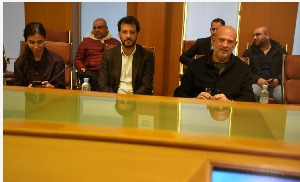
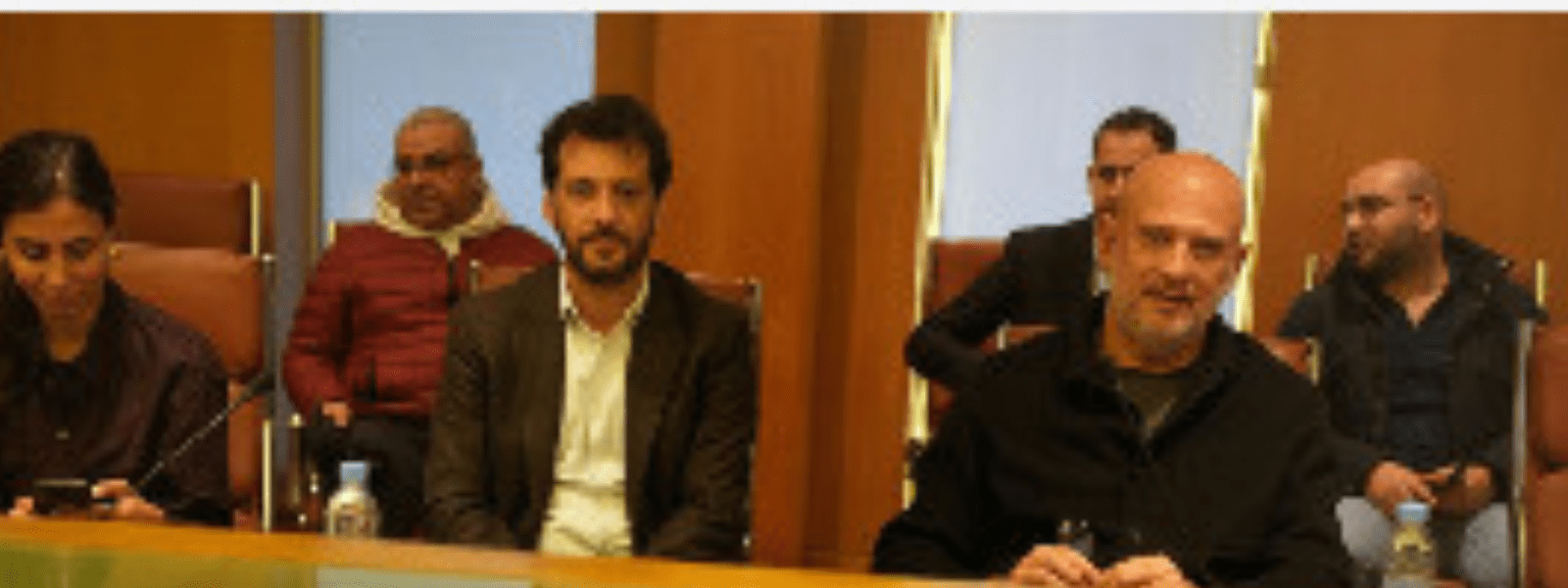
Speaking to a group of African journalists, Ali Zerouali, Vice President of CGEM’s Africa Commission, said Africa’s industrial future depends on how well countries leverage their individual strengths to build interconnected production systems.
“We don’t want to grow alone. We want to grow together with our African brothers by building regional and continental value chains,” Zerouali said.
He highlighted Ghana’s rubber industry as a practical example of how intra-African value chains could work in practice. According to him, Ghana could supply raw rubber for Morocco’s automotive industry, while Morocco, in turn, exports finished products such as tyres and vehicles back to Ghana creating a mutually beneficial industrial loop within the continent.
He stressed that industrialisation must be collaborative, not competitive, noting that aligning national advantages would unlock investment flows and stimulate employment across multiple sectors.
“Industrialisation is critical, and we must use the strengths of each country to build a complementary system that benefits the entire continent,” he added.
CGEM, which represents over 90,000 companies, has positioned itself as a key connector for African business integration. The organisation has hosted more than 30 African business delegations and currently operates 19 bilateral business councils across the continent, including one in Ghana, to deepen trade and investment relationships.
Addressing Africa’s demographic outlook, Madam Marwa Tellal, Director of Communications and International Affairs at CGEM, said the continent’s rapidly growing population makes industrialisation an urgent priority. The United Nations projects Africa’s population will reach 2.5 billion by 2050.
“We must better harness our natural resources and agricultural potential to reduce import dependency and create sustainable industries at home,” Tellal said. She also revealed that CGEM has been working closely with Ghana’s Employers’ Associations to improve the business climate, expand opportunities, and support entrepreneurs on both sides.
Echoing the need for unity, CGEM board member Karim Tazim emphasised that a shared vision among African nations is essential for building a resilient business ecosystem.
He called on African countries to actively support one another’s development across key economic sectors, noting that long-term, sustainable growth will only be achieved through cooperation rather than isolation.