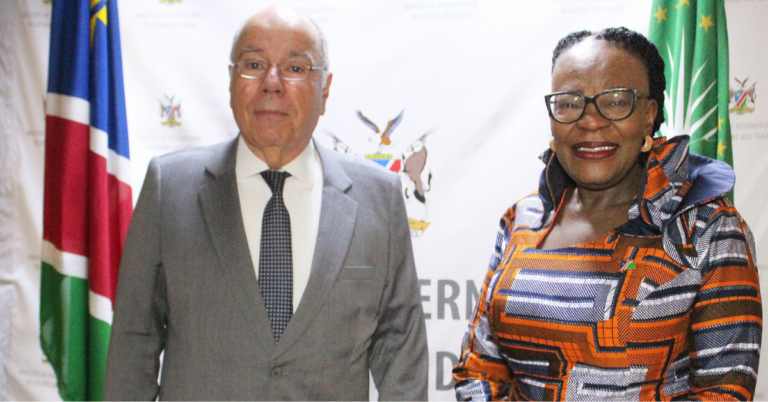

Namibia’s President, Her Excellency Netumbo Nandi-Ndaitwah, has firmly declined a proposal from the Bill & Melinda Gates Foundation to conduct clinical trials of a new long-term hormonal intrauterine device (IUD) in the country. The device, intended to prevent pregnancy for up to eight years, was pitched as part of a reproductive health program targeting women in Namibia.
In a strongly worded address, President Nandi-Ndaitwah labeled the proposal “a profound injustice to the Namibian people and humanity at large,” emphasizing that the nation’s population—slightly over 3 million—does not warrant measures to restrict population growth.
“If population control is a priority, such initiatives should begin in countries with much larger populations, such as the United States with over 347 million people,” she stated. “Any attempt to suppress the growth of Namibia’s human potential is a serious injustice to our people and their future.”
The decision has stirred continental debate, with supporters applauding her for safeguarding Namibia’s sovereignty and reproductive autonomy, while others question how it might affect future global health collaborations.
The Gates Foundation has yet to release an official comment, though insiders suggest the trial was part of a wider effort to improve access to contraceptives in underserved regions. The organization has faced skepticism in parts of Africa over alleged ethical concerns in past health interventions—claims it has consistently denied, maintaining its programs are designed to enhance health outcomes and fight poverty.
President Nandi-Ndaitwah’s stance reflects her administration’s broader vision of protecting national dignity and resisting external influences that could undermine Namibia’s values. Since taking office as the country’s first female head of state on March 21, 2025, following a historic election, she has pledged bold reforms to tackle poverty and inequality.
This development reignites critical conversations about the ethics of international health trials, the rights of developing nations to shape their reproductive policies, and the fine balance between innovation and consent.