Global oil markets tumbled sharply after a breakthrough ceasefire agreement between the United States and Iran signaled a reopening of the critical Strait of Hormuz shipping route. Investors quickly reacted as fears over supply disruptions eased, triggering a broad rally across global equities.
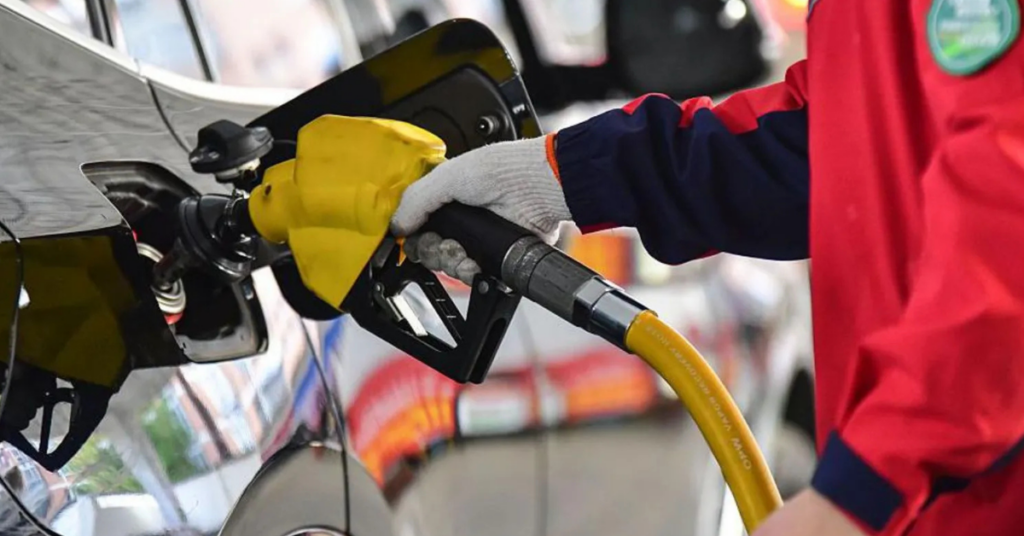
Brent crude dropped by roughly 13% to $94.80 per barrel. Meanwhile, US-traded oil slid more than 15% to $95.75. Despite the steep fall, prices remain significantly higher than pre-conflict levels of about $70 per barrel recorded in late February.
The decline followed confirmation of a conditional two-week ceasefire deal. The agreement requires Iran to allow safe and immediate passage through the Strait of Hormuz, a vital artery for global oil shipments. In return, the United States agreed to suspend military actions during the period.
Earlier tensions had pushed energy prices higher. Iran threatened to target vessels navigating the strait after US and Israeli airstrikes disrupted supply chains across the Middle East. As a result, oil and gas exports from the region faced severe constraints.
However, market sentiment shifted quickly after the ceasefire announcement. Asian stock markets surged in response. Japan’s Nikkei 225 jumped by 5%, while South Korea’s Kospi gained nearly 6%. Hong Kong’s Hang Seng rose 2.8%, and Australia’s ASX 200 climbed 2.7%.
At the same time, US stock futures pointed to a strong opening on Wall Street. Futures markets often signal investor expectations ahead of official trading sessions, and current indicators suggest renewed confidence.
The ceasefire terms were outlined in a high-stakes diplomatic exchange. The US administration confirmed a temporary halt to military operations, contingent on Iran guaranteeing safe maritime access. Iranian officials responded by stating that compliance would depend on a full cessation of attacks.
Analysts believe economic pressure played a major role in pushing both sides toward negotiation. Rising energy costs had already strained global markets. Experts warn that further escalation could have triggered even higher prices and deeper economic instability.
Shipping activity in the Strait of Hormuz has already shown early signs of recovery. Although vessel traffic remains below normal levels, more tankers are expected to resume operations in the coming days. Several Asian nations had previously secured limited passage for their ships during the crisis.
Still, full recovery may take time. Energy analysts caution that infrastructure damage across the region could delay production normalization. Repairs may take months, while some estimates suggest long-term rebuilding could stretch into years.
Recent attacks on key facilities, including Qatar’s Ras Laffan industrial hub, significantly reduced global liquefied natural gas output. The damage has cut export capacity and highlighted the vulnerability of critical energy infrastructure.
Asian economies have felt the impact most severely. Many countries depend heavily on Middle Eastern energy imports. Governments across the region have introduced emergency measures to manage fuel shortages and rising costs.
In the Philippines, authorities declared a national energy emergency after fuel prices surged dramatically. Airlines across Asia also responded by raising ticket prices and reducing flight schedules due to escalating jet fuel costs.
Despite the current relief, uncertainty remains. Experts stress that oil markets will stabilize only if the ceasefire evolves into a lasting peace agreement. Until then, volatility is expected to persist across global energy markets.