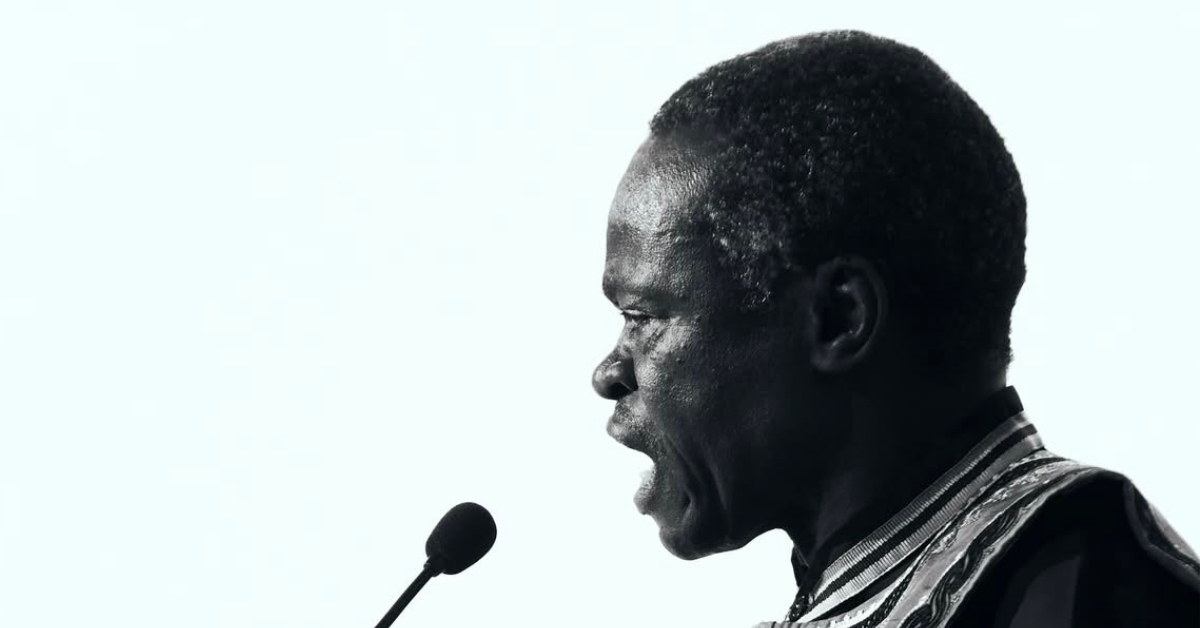
Africa’s push for a borderless single market will remain an illusion without peace and security, according to renowned Pan-African scholar Professor P.L.O. Lumumba, who delivered a blunt reality check at the Africa Prosperity Dialogues 2026.
Speaking at the high-level gathering themed “Empowering SMEs, Women & Youth in Africa’s Single Market: Innovate. Collaborate. Trade,” he warned that economic integration cannot thrive in an environment marked by violence, instability, and political exclusion across the continent.
“We talk about a borderless Africa, but we must talk about an Africa at peace,” he said. “Free borders mean nothing if there is no security.”
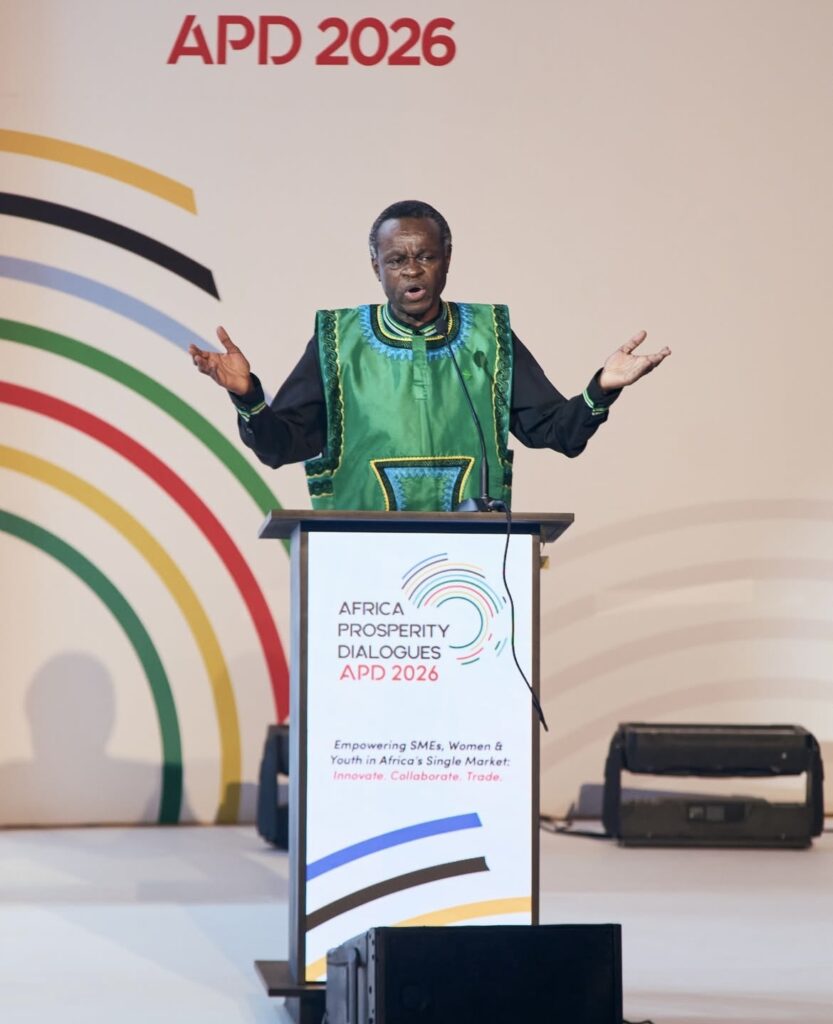
–odonti.photography_
Professor Lumumba stressed that Africa cannot achieve genuine prosperity while several regions remain trapped in conflict. He pointed to the ongoing war in Sudan, persistent instability in eastern Democratic Republic of Congo, and the fragile security situation in the Sahel as clear reminders that the continent is far from the peace required for seamless trade and movement.
According to him, the exclusion of Sahelian countries such as Burkina Faso, Niger, and Mali from African Union activities further reflects the deep fractures threatening Africa’s integration agenda. He argued that discussions about free movement and collaboration lose meaning when entire regions remain unsafe and disconnected.
“Africa is not at ease,” Professor Lumumba stated. “Even as we speak about a borderless continent, Africa is bleeding.”
He questioned the practicality of free borders in the absence of peace, noting that mobility should enable opportunity, not displacement. He warned that without security, free movement would only expose citizens to greater risks rather than economic benefits.
“You can have all the free borders you want, but if there is no peace, where will people move to?” he asked.
Reflecting on the African Union’s 2020 commitment to “Silencing the Guns,” Professor Lumumba observed that the vision has failed to materialize as armed conflicts continue to resurface across the continent. He urged African leaders to confront this reality with honesty and decisive action.
“The guns are with us again,” he said, cautioning against what he described as romantic narratives that ignore the continent’s pressing security challenges.
He also drew from Africa’s political history to reinforce his message. He recalled a landmark moment during Ghana’s independence celebrations when former Tanzanian president Julius Nyerere acknowledged that Africa missed an early opportunity for unity. According to Professor Lumumba, Nyerere admitted that Kwame Nkrumah had correctly warned that political titles and national divisions would complicate continental unity.
He reminded the audience that beyond national identities, Africans share a collective identity that defines how the world perceives them. He stressed that when Africans step outside the continent, their nationality matters less than their Africanness.
He concluded that Africa’s dream of a single market must rest on a solid foundation of peace, security, and political will. Without stability, he warned, integration efforts risk becoming symbolic gestures rather than drivers of real prosperity.
As Africa accelerates conversations around innovation, trade, and youth empowerment, Lumumba’s remarks served as a timely warning that peace remains the most critical currency for the continent’s future.