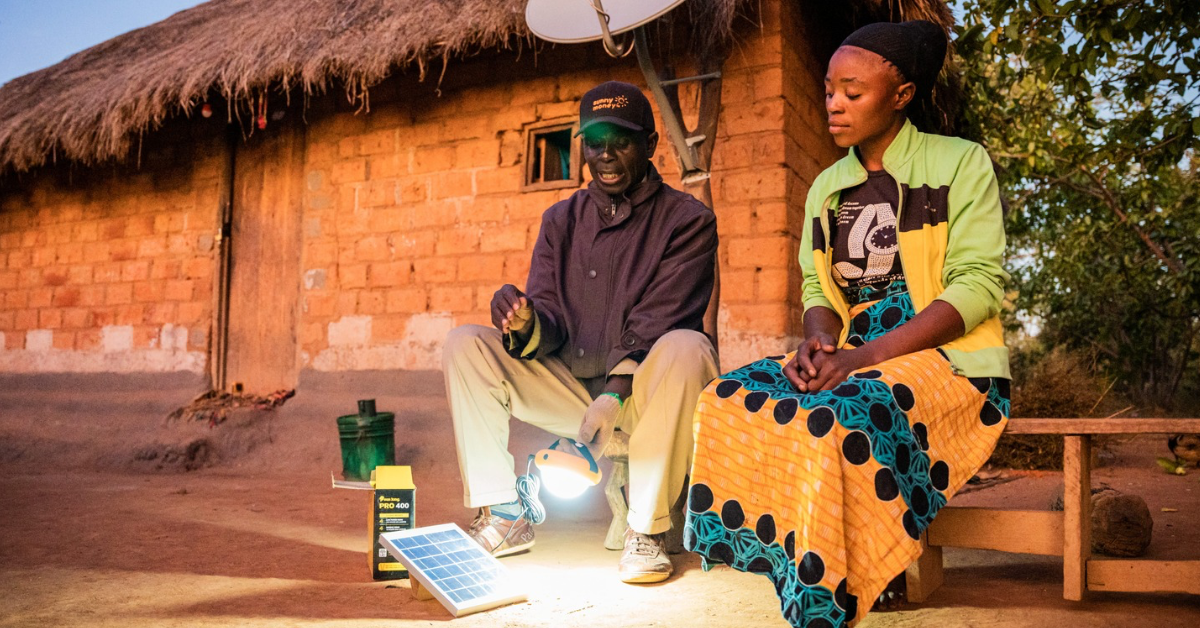
RS Group plc has unveiled a transformative three-year partnership with SolarAid aimed at delivering clean, safe solar lights to 150,000 people living in rural African communities without electricity.
The £1 million initiative strengthens RS Group’s 2030 ESG action plan and reinforces its ambition to “make amazing happen for a brighter world.” Through corporate donations, matched funding, employee fundraising, and product contributions, the company will accelerate access to renewable energy solutions across off-grid communities.
Driving Renewable Energy Access Across Rural Africa
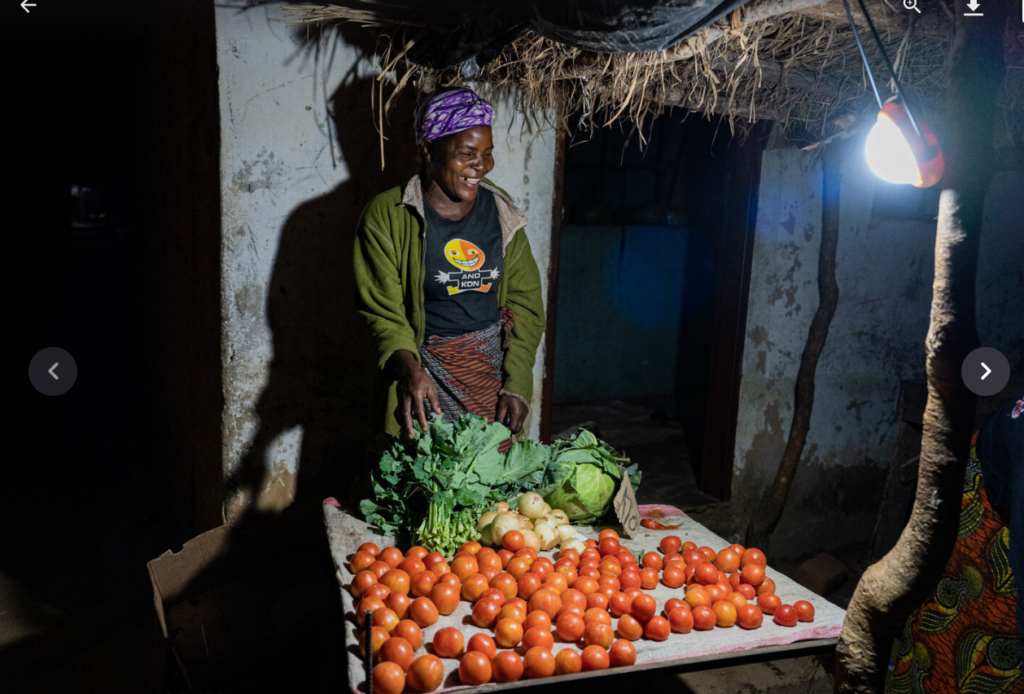
Access to electricity remains one of Africa’s greatest development challenges. However, solar lighting presents a fast, scalable solution. Just one solar light can benefit an entire household. Families reduce kerosene and candle use by 90%. They also save up to 95% on energy costs.
More importantly, children gain the opportunity to study safely after sunset. At the same time, communities cut harmful emissions. A paraffin candle emits three times its weight in CO₂. Meanwhile, a kerosene lamp releases over a tonne of carbon within three years. Clean solar alternatives dramatically reduce this environmental burden.
Therefore, the RS Group–SolarAid partnership directly supports climate action while tackling energy poverty.
Employee Engagement at the Core of the SolarAid Partnership
Unlike traditional charity models, this partnership actively involves employees worldwide. RS Group will mobilize its global workforce through skills-based volunteering, fundraising challenges, and awareness campaigns.
Planned initiatives include:
- Skills-Based Volunteering: RS experts will enhance SolarAid’s Repair App, enabling rural communities to extend the lifespan of solar lights through simple repairs.
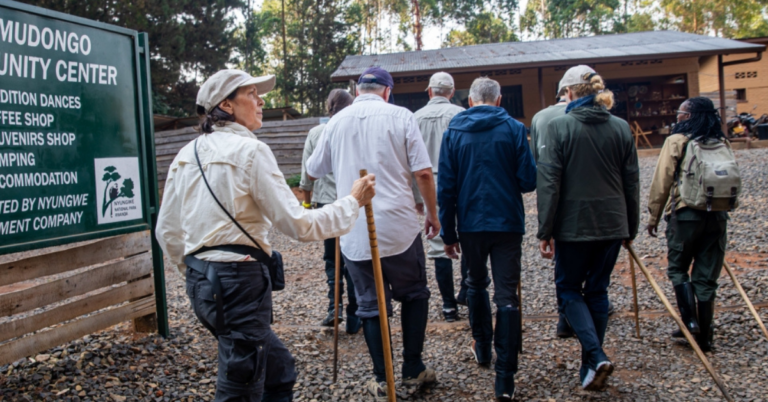
- On-the-Ground Engagement: Staff will visit SolarAid-supported communities in Malawi and Zambia to witness impact firsthand.
- Active for Change Challenge: Employees will log physical activities to raise funds for clean energy expansion.
In addition, RS Group grants employees two paid volunteering days annually. The company aims to inspire at least 50% of its workforce to dedicate this time to community support initiatives linked to SolarAid.
Proven Impact: Kasakula Achieves 100% Solar Access
The partnership builds on SolarAid’s measurable success. On 26 August 2025, every household, school, and the health clinic in Kasakula, Malawi gained solar access under the Light a Village initiative. As a result, the community achieved 100% clean energy coverage.
This milestone proves that universal energy access is achievable, even in remote regions. Furthermore, it demonstrates how corporate partnerships can scale grassroots solutions effectively.
Leadership Voices on the Clean Energy Drive
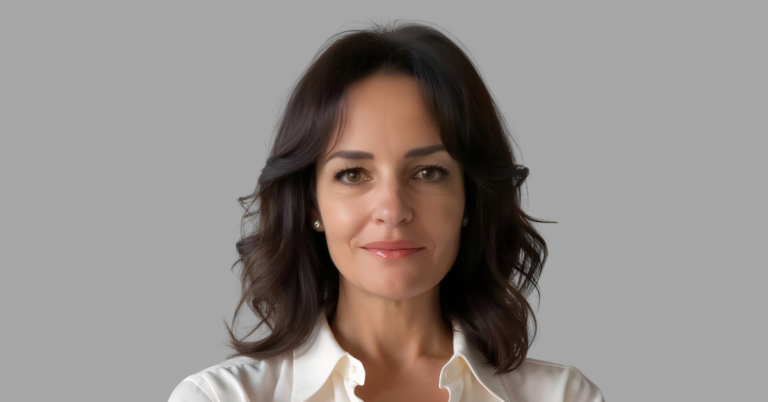
Andrea Barrett, Chief Sustainability Officer at RS Group, emphasized the importance of the collaboration. She stated that access to clean, safe solar light drives education, safety, and opportunity. She added that the Kasakula success story shows renewable energy expansion is not only achievable but scalable.
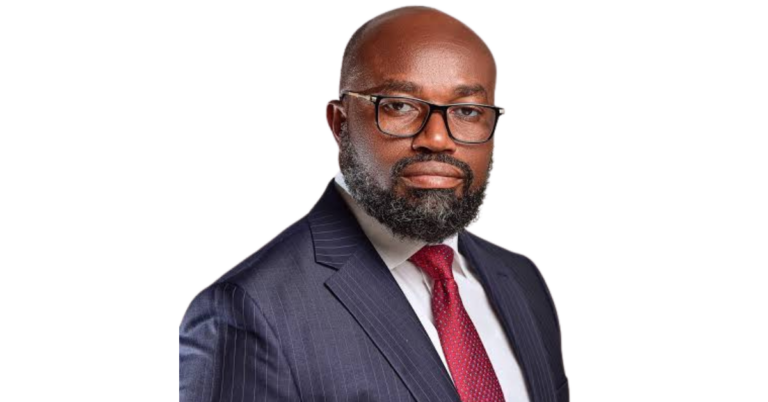
John Keane, CEO of SolarAid, echoed the sentiment. He highlighted the shared commitment to innovation and sustainable energy access. He also expressed confidence that the partnership will accelerate clean light delivery to the most remote communities across Africa.
Strengthening ESG Commitments and Long-Term Impact
Importantly, this initiative builds on RS Group’s strong record of impactful partnerships. Since 2020, the company has raised nearly £1 million for The Washing Machine Project. Now, it seeks to create a similar movement around renewable energy access.
RS Group will match employee donations and fundraising efforts, thereby multiplying community impact. Moreover, by combining corporate resources with local solar enterprises, the partnership aims to build a circular solar economy that supports long-term sustainability.
As Africa pushes toward universal electrification and climate resilience, strategic collaborations like this could redefine rural energy access.