Rwanda is stepping into a powerful leadership role as Africa accelerates a multi-billion dollar push to secure its food systems and strengthen agricultural investment across the continent. The upcoming Africa Food Systems Forum will return to Kigali in September 2026, marking a decisive shift from policy conversations to real execution.
The summit will gather heads of state, investors, and global stakeholders, all focused on unlocking large-scale funding and driving measurable outcomes in agriculture. At the centre of this momentum is Paul Kagame, whose administration continues to champion delivery-driven governance and agricultural transformation.
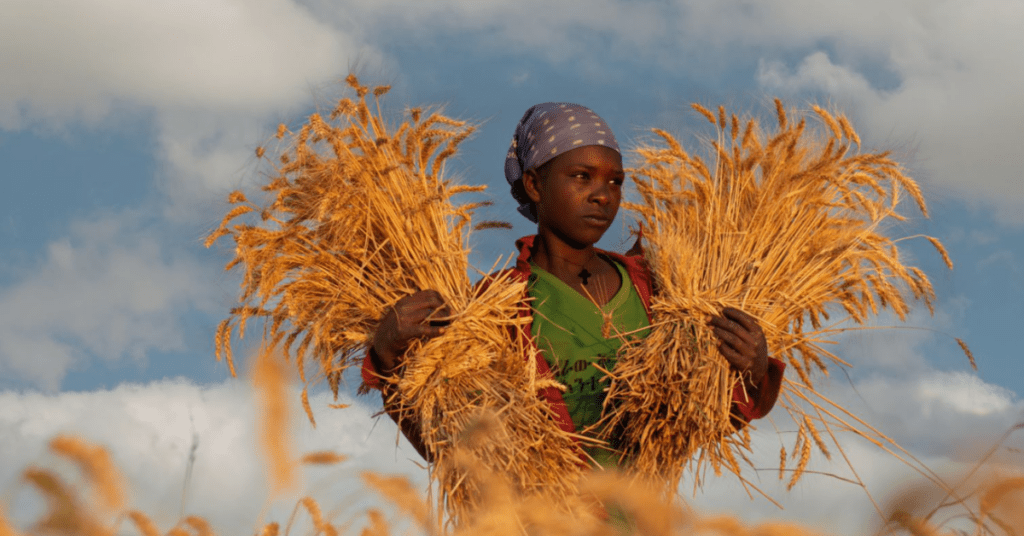
Africa still faces deep structural food challenges. Post-harvest losses remain alarmingly high, reaching nearly 60 percent in some regions. At the same time, intra-African trade under the African Continental Free Trade Area remains underutilised, despite its potential to transform food distribution across borders. However, rising population growth, climate pressure, and increasing demand are pushing governments toward urgent action.
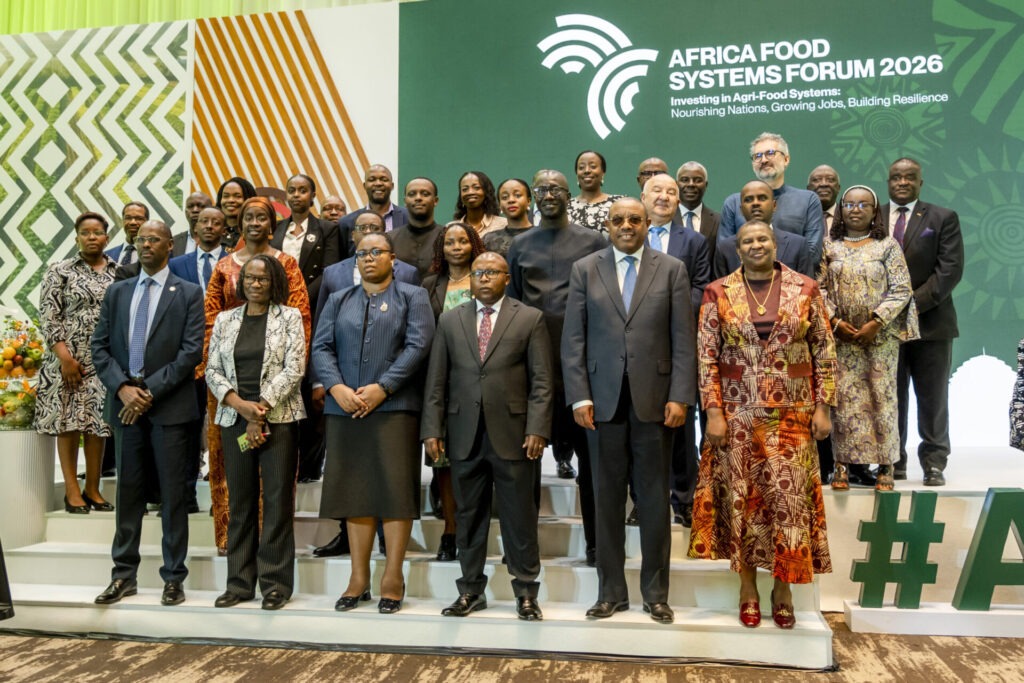
This year’s forum signals a turning point. Instead of extended dialogue, organisers are prioritising implementation, investment flows, and accountability. More than 4,500 participants are expected to attend, including policymakers, business leaders, and innovators ready to close critical gaps in Africa’s food systems.
Over the past two decades, the forum has already connected stakeholders from over 100 countries and facilitated more than $200 billion in investment opportunities. Now, leaders want faster execution. They aim to translate commitments into real infrastructure, stronger value chains, and sustainable food production systems.
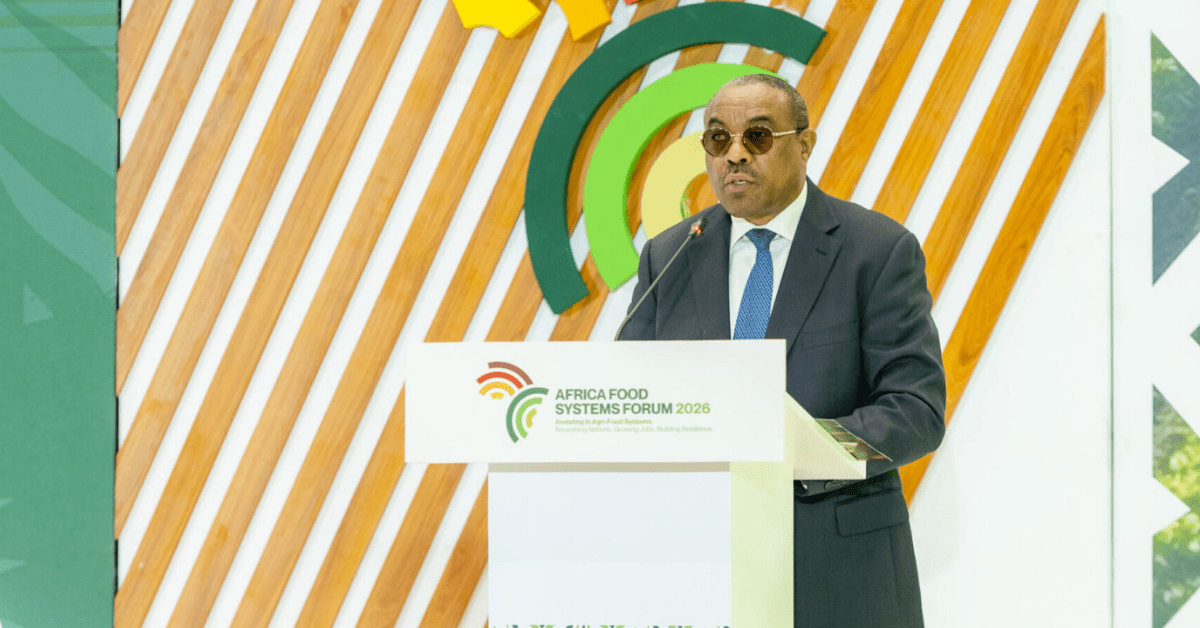
Hailemariam Desalegn stressed that Africa must move beyond planning. He noted that frameworks already exist, but consistent policy execution and improved investment environments are now essential to attract both public and private capital.
Similarly, Alice Ruhweza emphasised accountability as a key driver of credibility. She confirmed that commitments made in Kigali will be tracked closely to ensure delivery and unlock future funding rounds.
Rwanda’s selection as host reflects its growing influence in agricultural reform and policy leadership. Government officials say the country will help mobilise political will, strengthen infrastructure, and boost productivity across the continent’s agri-food sector.
Meanwhile, Telesphore Ndabamenye warned that Africa cannot afford delays. With declining development aid, volatile commodity prices, and rising debt pressures, he insisted that food system investment must become an urgent priority rather than a secondary concern.
As Africa enters a new decade under the Comprehensive Africa Agriculture Development Programme, the stakes are higher than ever. Experts estimate that trillions of dollars will be needed to transform infrastructure, energy systems, and agricultural value chains.
Kigali 2026 is expected to define the next chapter. This time, leaders are not just talking—they are preparing to deliver.