If you ate corn on the cob, green beans, or spring onions in the UK this winter, they likely came from one of two farms at the edge of the Sahara in northern Senegal. The West African nation is quietly becoming a crucial supplier for British supermarkets.
Diarra, a farm worker, moves through the towering maize stalks, almost swallowed by the sea of green. Harvesting is grueling work. In temperatures exceeding 35°C with no rainfall, she and her team strip cobs from plants, filling buckets strapped to their backs. Within an hour, the corn reaches refrigerated pack-houses, chilled to 0°C, and transported to Dakar’s port. Six days later, it arrives in UK stores.
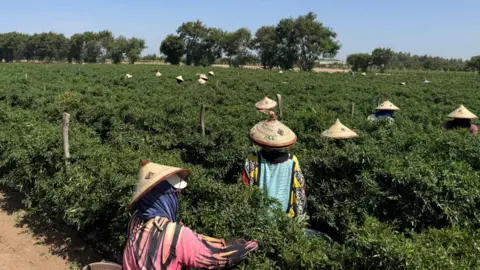
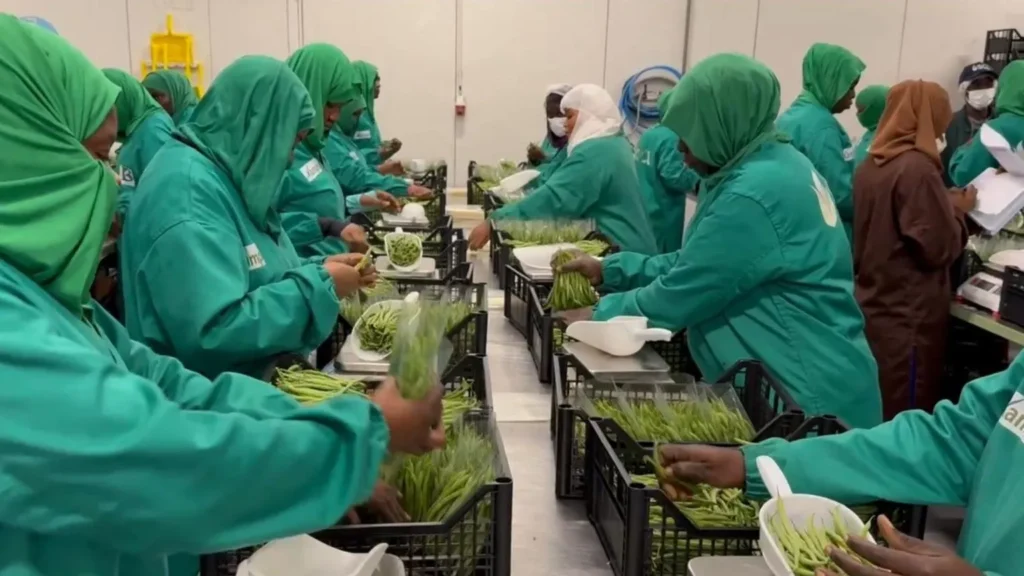
She is one of 9,000 employees, mostly women, working on two British-operated farms in Senegal’s Saint-Louis region. Between January and March, supermarkets such as Tesco, Sainsbury’s, Asda, Aldi, and Lidl stock spring onions, radishes, green beans, chillis, butternut squash, and corn labeled “Produce of Senegal.”
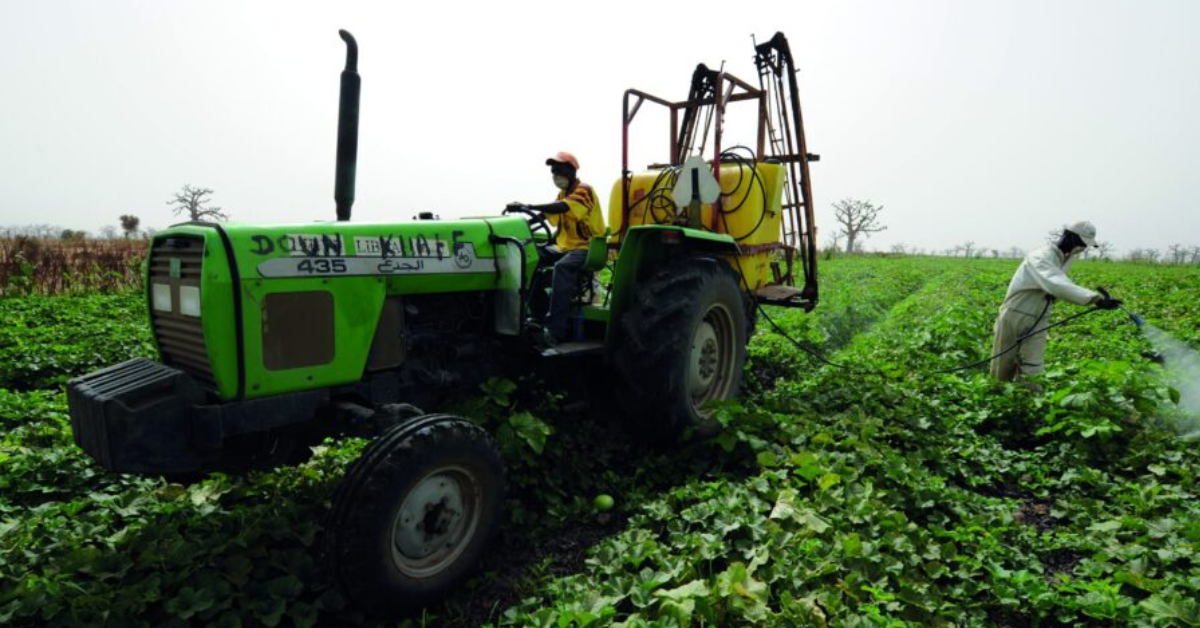
At first glance, northern Senegal’s arid climate and sandy soil seem unsuitable for growing vegetables. Yet, G’s Fresh and Barfoots are transforming the desert into highly productive farmland.
The farms trace back to the early 2000s when French entrepreneur and agronomist Michael Laurent used Google Earth to locate fertile land. He identified Saint-Louis for its abundant sunlight, labor, and proximity to the Senegal River. Canals, pumps, and pipes now irrigate 2,000 hectares, nearly 3,000 football pitches, that once were bare bushland.
G’s Fresh runs 500 hectares under its West African Farms subsidiary, supplying two million spring onion bunches, 100 tonnes of green beans, and 80 tonnes of radishes each week. Around 70% of the produce reaches UK supermarkets, while the rest heads to Germany and the Netherlands.
The larger Barfoots-SCL joint venture produces 55 million corn cobs yearly, along with chillis, green beans, and butternut squash. Trucks transport the harvest to the deep-water Port of Dakar, and container ships sail weekly to Poole, Dorset.
UK reliance on imports reaches 90% for fresh produce in winter. Historically sourced from southern Europe or Peru, the shift to West Africa is driven by rising Mediterranean competition, frequent droughts in Spain, and the high cost of air-freighted vegetables. Brexit further increased Senegal’s appeal due to political stability and favorable leasing arrangements.
“British consumers expect year-round produce,” says Julian Marks, group manager of Barfoots. “Senegal helps meet that demand while creating thousands of jobs locally.”
For Senegal, the farms provide meaningful employment. With youth unemployment at 19%, these 9,000 jobs are critical. While wages remain modest, bonus schemes reward fast and efficient workers. Labor costs in Senegal are significantly lower than in the UK, making it economically viable to expand imports even during the British summer season.
Yet critics like Tim Lang, emeritus professor at City University, warn against long-distance food shipments. “Transporting vegetables by sea still generates greenhouse gases. We should eat seasonally and explore crops that grow locally,” he says.
Despite the debate, the farms at the edge of the Sahara are reshaping how Britain eats in winter, proving that innovation, irrigation, and global partnerships can turn unlikely lands into vital food sources.