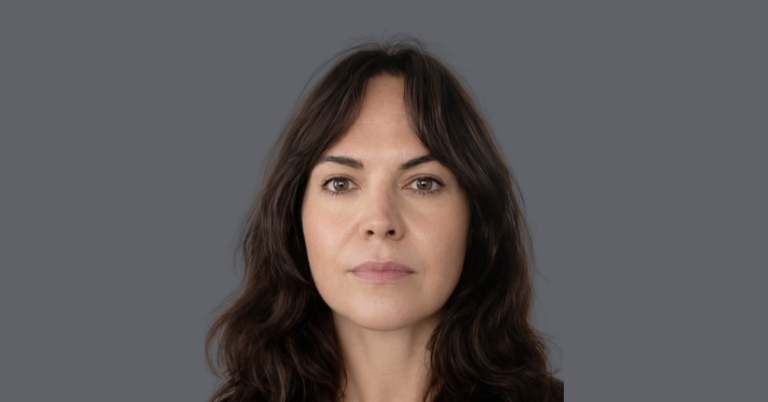
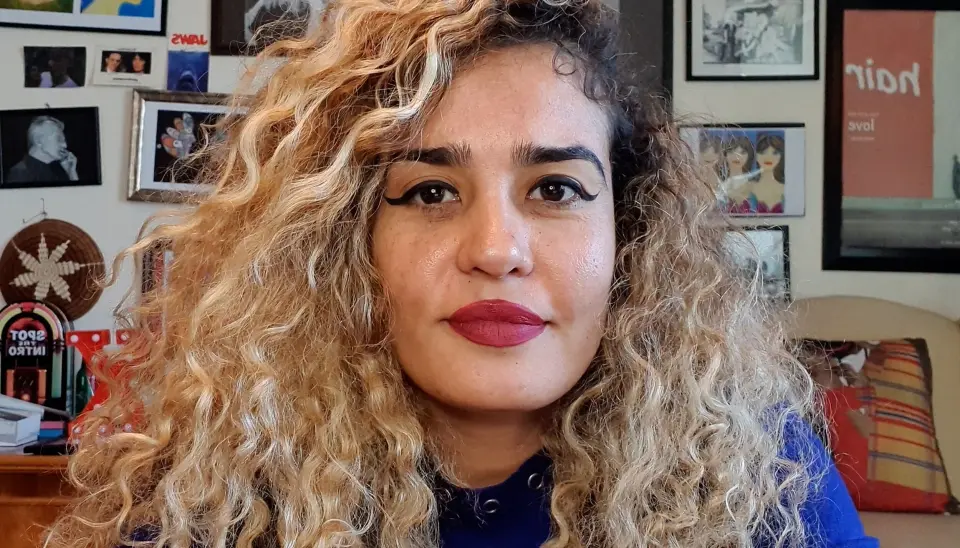
Sudanese–Russian filmmaker Suzannah Mirghani has released her debut feature film, Cotton Queen, a powerful exploration of Sudan’s colonial past, generational trauma, and the lived experiences of Sudanese women. The film, which premiered at the 2025 Venice International Film Festival’s International Critics’ Week, has quickly gained international recognition, earning screenings in Germany, the United States, and most recently winning the Golden Alexander at the Thessaloniki Film Festival. Its MENA debut in Qatar drew the largest Sudanese audience yet, prompting an emotional response from the director and her cast.
Cotton Queen follows the story of Nafisa, played by Mihad Murtada, a teenage girl working alongside her friends in her grandmother Al-Sit’s cotton fields. Through “Aghani Banat” traditional songs sung by girls to express desires, anxieties, and hopes the film captures the private world of young Sudanese women. While Nafisa dreams of onion farmer Babiker, her community becomes captivated by the arrival of “The Businessman,” portrayed by Hassan Kassala, who advocates for genetically modified cotton seeds as a symbol of modern progress. His efforts clash with Al-Sit, a revered yet fierce matriarch determined to preserve the purity of the cotton she fought to protect. Legends surrounding Al-Sit, including her alleged killing of a British officer, deepen the film’s exploration of memory, myth, and resistance.
Mirghani, who discovered the concept of colonial-era “Cotton Queen” beauty competitions in a footnote while researching Sudan’s history, developed the film as a commentary on how beauty was used to mask the violence of the colonial cotton industry. She describes cotton as a symbol that ties together colonial exploitation, women’s bodies, generational rituals, and the economic politics that still influence rural Sudan. The film weaves these themes through a blend of magical realism, humor, and folklore, portraying village life with what Mirghani calls “false simplicity” to reflect larger global power struggles.
Production of the film was heavily affected by the war that erupted in Sudan in April 2023. Mirghani and her cast were forced to flee to Egypt, abandoning their original filming location. Determined to maintain cultural authenticity, the filmmaker fought against industry restrictions to retain Sudanese cast and crew in roles related to hair, costume, makeup, and art direction. A full Sudanese village complete with cotton fields and Nile-like landscapes was built in Egypt, creating an emotionally charged environment where crew members often struggled with the reality of displacement after shooting ended each day.
The film also touches on the deeply sensitive issue of female circumcision, portrayed indirectly through the character of Al-Sit and the intergenerational trauma carried by Sudanese women. Although Cotton Queen does not center the practice, discussions after screenings revealed how strongly the topic resonated with audiences. Some female crew members chose not to be present on set during the shooting of related scenes due to their own past experiences.
Despite being celebrated as the first Sudanese woman to write and direct a feature-length film for cinema, Mirghani resists the title, noting that other Sudanese women have contributed significantly to television and film. She is, however, proud that Cotton Queen stands as one of the few Sudanese films driven by a predominantly women-led cast and crew. The director hopes the film will draw more attention to Sudanese creatives in need of work, urging global filmmakers to hire Sudanese talent, especially as many remain displaced by war.
Cotton Queen continues to strengthen Sudan’s presence on the global film stage, offering a rare, intimate portrayal of Sudanese womanhood while addressing broader themes of colonial legacy, modernization, and identity. Through its nuanced storytelling and cultural authenticity, the film reinforces the growing influence of African cinema and the resilience of Sudanese creatives determined to preserve their narratives.