African countries are intensifying efforts to reconnect with the African diaspora, and Black American celebrities now sit at the centre of that strategy.
Across West and Central Africa, governments are granting citizenship to globally recognised Black American stars. The goal is clear. Leaders want to boost tourism, attract investment, strengthen cultural diplomacy, and revive pan-Africanism with action, not slogans.
When a Hollywood star accepts an African passport, the moment travels faster than any diplomatic mission. Cameras flash, drums roll, and millions watch online. Yet behind the spectacle lies a calculated shift in how African nations engage the Black diaspora one rooted in history, economics and global influence.
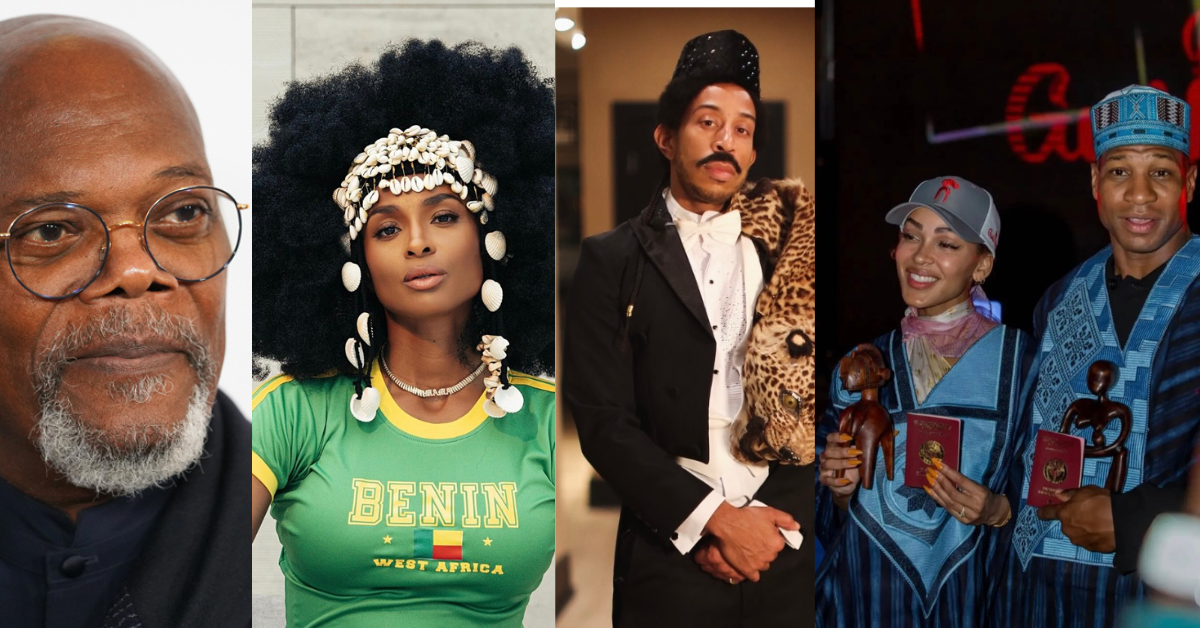
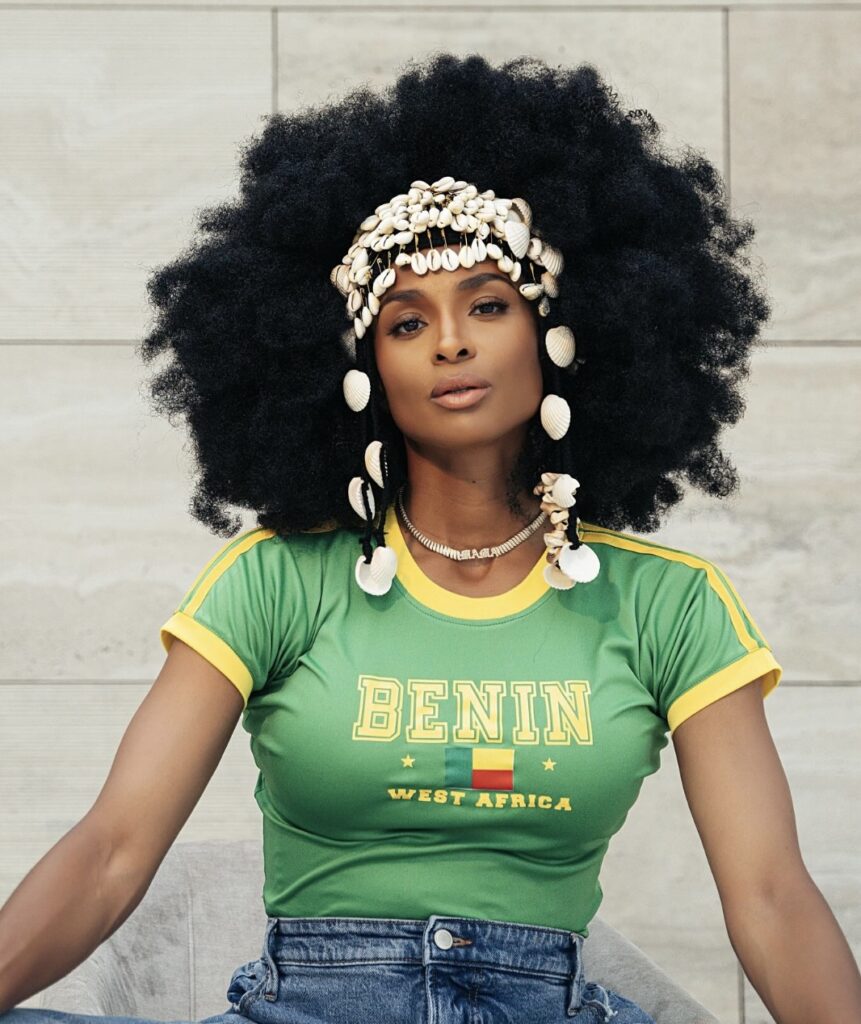
From Ghana to Benin, Guinea and Gabon, high-profile entertainers and digital creators have received African passports or nationality approvals in ceremonies framed as homecomings rather than diplomatic gestures. Singer Ciara is now a citizen of Benin. Music legend Stevie Wonder holds Ghanaian citizenship. Actors Meagan Good and Jonathan Majors have become citizens of Guinea, while Samuel L Jackson and Ludacris are officially Gabonese. Most recently, online star IShowSpeed secured approval for a Ghanaian passport during his widely followed African tour.
Here are the ten reasons driving that strategy.
1. Africa Is Reclaiming Descendants History Tore Away
Centuries after slavery scattered Africans across the Americas, citizenship offers a powerful counter-narrative. From Liberia’s founding by freed Black Americans in 1822 to Ghana’s post-independence embrace of African-American thinkers, history shows the bond never truly vanished. Today’s policies formalise that reunion.
2. DNA Technology Has Made Identity Verifiable
Ancestry tests turned abstract heritage into documented proof. When Meagan Good and Jonathan Majors traced their lineage to Guinea, the connection became undeniable. Governments quickly saw DNA results as a bridge between emotion and legitimacy.
3. Celebrity Stories Humanise Pan-Africanism
Pan-Africanism often sounds ideological. Celebrities make it personal. A passport ceremony, a tearful speech or a viral post transforms theory into lived experience, especially for younger audiences.
4. Social Media Reach Beats Traditional Advertising
One Instagram post from Ciara or one YouTube vlog from IShowSpeed reaches millions instantly. African tourism boards understand that influencer visibility now outperforms billboards, brochures and TV ads combined.
5. Tourism Revenue Is a Core Motivation
African-American travellers represent a fast-growing, high-spending market. Ghana’s “Year of Return” proved that heritage tourism drives real economic activity. Benin, Guinea and Gabon now want a share of that success.
6. Historic Pain Is Being Reframed as Cultural Capital
Former slave ports like Ouidah in Benin are no longer just memorials. Governments are transforming them into global heritage destinations that educate, heal and generate income.
7. Celebrities Serve as Global Cultural Ambassadors
Without diplomatic titles, celebrity citizens promote African nations organically. According to regional scholars, this soft power places countries like Ghana, Benin and Guinea into global conversations that money alone cannot buy.
8. Digital Creators Are the New Power Players
IShowSpeed’s Ghanaian passport highlighted a shift. Governments now recognise that YouTubers and streamers command influence equal to movie stars. With over 50 million subscribers, his presence alone amplifies Ghana worldwide.
9. Diaspora Investment Often Follows Visibility
Publicity encourages action. In Ghana, diaspora Africans have purchased property, launched businesses and relocated after high-profile campaigns. Leaders hope celebrity citizenship triggers similar investment flows elsewhere.
10. African Governments Want Action, Not Just Rhetoric
For decades, pan-Africanism lived mainly in speeches. Citizenship policies represent concrete steps. Critics raise concerns about fairness, yet supporters argue that bold moves are necessary to correct historical disconnection.
The results will not appear overnight. Economic gains and cultural shifts take years to measure. Still, momentum continues. Ciara returned to Benin after her naturalisation. Meagan Good and Jonathan Majors speak of long-term ties. IShowSpeed continues to spotlight Ghana to a global youth audience.
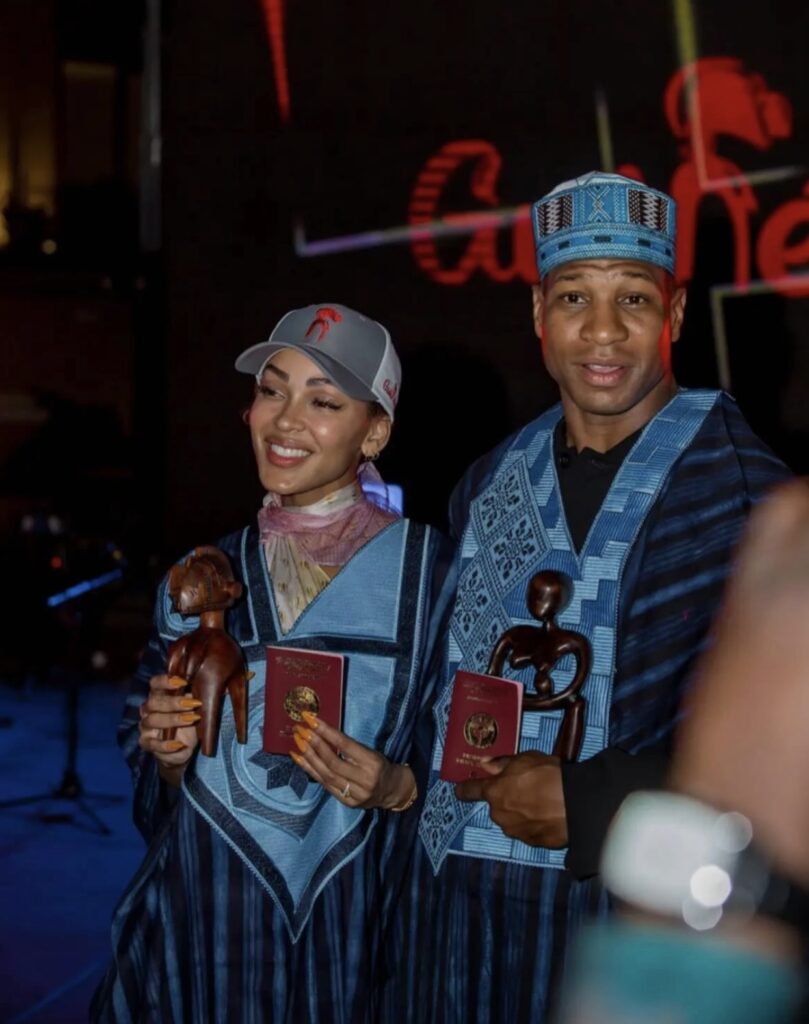
Africa is opening its doors to Black American stars as part of a broader effort to reconnect with the African diaspora, strengthen pan-African identity and turn shared history into opportunity. By granting citizenship and welcoming high-profile figures home, African nations aim to boost tourism, attract diaspora investment, expand cultural influence and project soft power on a global stage. Leaders say the move goes beyond symbolism, using visibility from celebrities and digital creators to drive economic growth while reaffirming Africa’s role as a homeland for descendants of the transatlantic slave trade.