Uber has confirmed that some of its drivers are actively using Tesla’s advanced driver-assistance technology during trips, a development that is intensifying global conversations around safety, regulation, and the future of ride-hailing.
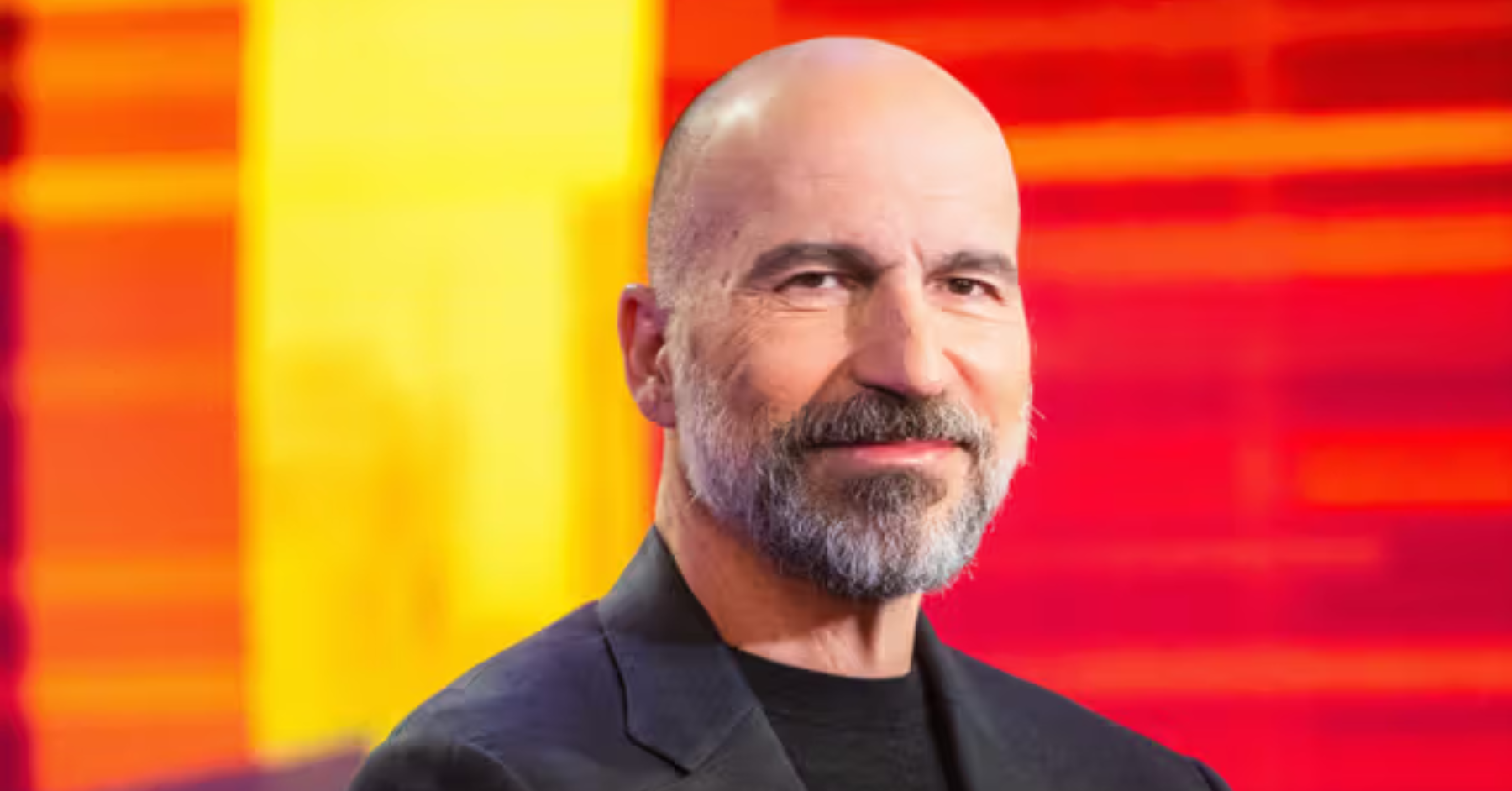
Speaking on the Moonshots podcast hosted by Peter Diamandis, Uber CEO Dara Khosrowshahi disclosed that a growing number of drivers on the platform rely on Tesla’s Full Self-Driving (FSD) system while working. He emphasized that the ride-hailing giant already has tens of thousands of Tesla vehicles operating within its network.
According to him, some drivers have adopted FSD, an AI-powered system developed by Tesla, to assist with navigation and driving tasks. He noted that Uber has gathered significant operational data from these vehicles, adding that Tesla cars are generally considered safe and efficient for ride-hailing.
However, the increasing use of FSD by Uber drivers is raising concerns among regulators and safety experts. Although no law currently prohibits ride-hailing drivers from using advanced driver-assistance systems, incidents linked to the technology have already been reported. In one widely cited case, a driver using Tesla’s system was involved in a collision with another vehicle while the feature was active.
Meanwhile, Tesla continues to face legal scrutiny over its automation features, including Autopilot. In a notable ruling tied to a 2019 crash, a jury in Florida found the company partially responsible after a vehicle operating with Autopilot engaged collided with another car. Similarly, a California court ruled that Tesla’s branding of the system could mislead consumers, prompting adjustments to how the technology is presented.
Despite these concerns, Uber has maintained that drivers must follow strict guidelines when using such systems. The company’s policy clearly states that drivers are expected to remain fully attentive and keep their hands on the wheel at all times while driver-assistance features are engaged. This position reflects Uber’s effort to balance innovation with passenger safety.
At the same time, Khosrowshahi expressed optimism about the future of autonomous vehicles on the Uber platform. He revealed that the company is already collaborating with several robotaxi developers, including Waymo and Zoox, as well as Chinese firms like Pony.ai.
Looking ahead, the Uber chief stated that he would welcome fully autonomous Teslas once the company proves its camera-based system can safely operate without human supervision. He stressed that such a milestone would mark a major turning point for the ride-hailing industry.
Tesla, on its part, is already testing its own ride-hailing ambitions through its Robotaxi service in Austin, where a limited number of rides are being offered. However, the service still operates under strict safety conditions, often involving human monitors depending on local regulations.
As competition intensifies in the autonomous mobility space, the intersection between Uber and Tesla signals a transformative shift. While the promise of robotaxis continues to gain traction, the widespread use of semi-autonomous systems like FSD by everyday drivers is already reshaping how mobility services operate today.