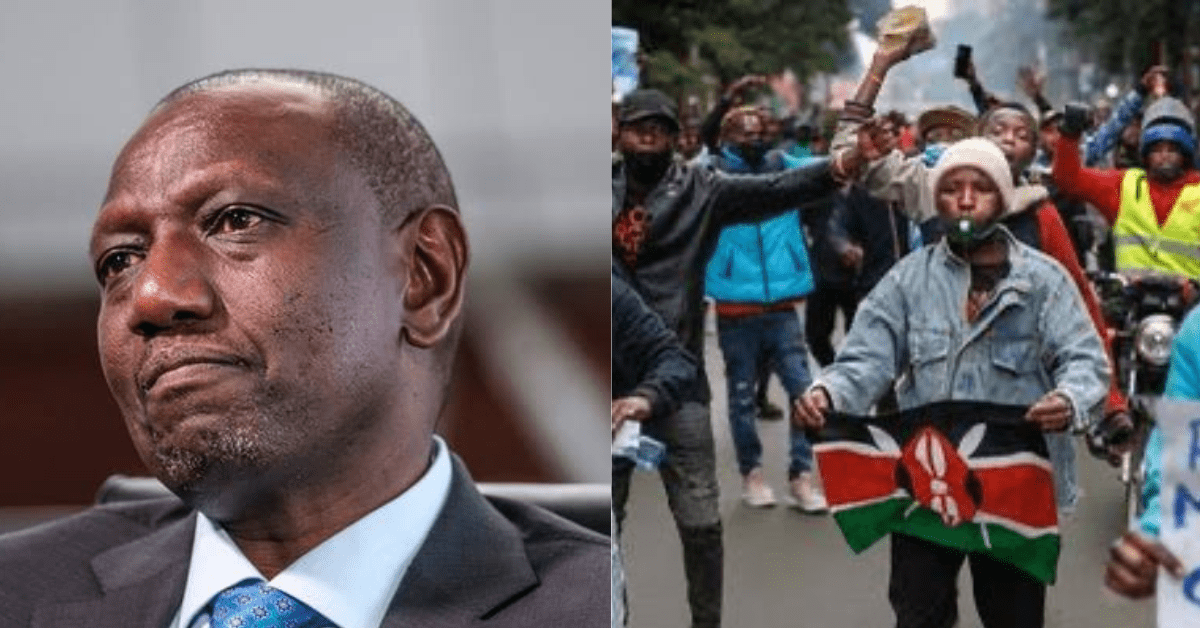
Kenya has entered a critical phase of nationwide unrest as Gen Z-led protests continue to gain momentum, calling for the resignation of President William Ruto. This day tuesday, July 8, 2025, youth across the country declared a “national holiday,” announcing that schools, businesses, Parliament, and State House should remain shut in protest of what they describe as failed leadership and state-sponsored oppression.
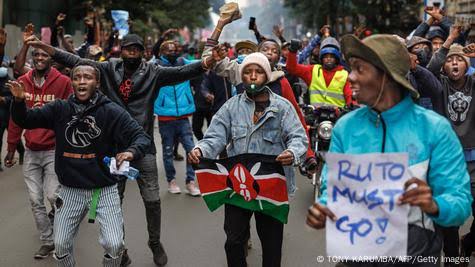
Chanting “Ruto Must Go,” thousands of young Kenyans took to the streets in defiance of escalating police brutality and economic hardship. The protests, which began as online activism, have evolved into organized demonstrations across Nairobi, Mombasa, Kisumu, Eldoret, and other urban centers. The youth say they are demanding justice, accountability, and a better Kenya. They insist that they are not afraid, and are willing to risk everything for freedom and a livable future.
As tear gas clouds the air and the death toll rises, the question now being asked is: Where is President William Ruto leading Kenya? Amidst the chaos, a hashtag #RutoDelivers is trending on X (formerly Twitter), allegedly amplified by pro-government accounts. But the youth are pushing back:
“If Ruto delivers, why are we dying in the streets?”
“If he delivers, why are we fighting for our right to exist?”
These are the cries echoing from thousands of young protesters facing police bullets in what they describe as peaceful resistance. Dozens have been injured, several killed, and many arrested all for demanding better governance, affordable living, and a future with dignity.
The rising death toll and reports of direct gunfire on peaceful protesters by police have drawn sharp criticism both locally and internationally. As public outrage intensifies, so do questions about the government’s response. While pro-government accounts push the hashtag #RutoDelivers, protesters and independent observers are asking what, exactly, the president is delivering. According to youth activists, if Ruto were truly delivering, there would be no reason for Kenyans to die in the streets.
On social media platform X, formerly Twitter, the atmosphere remains charged. The hashtag #WeAreAllKikuyus is trending, symbolizing unity across tribal lines and a rejection of the divisive tactics often used in Kenyan politics. “This is about the future of our country, not ethnicity,” one protester posted.
Lawyer and political analyst Saitabao Ole Kanchory minced no words:
“William Ruto has created jobs for our young people by making them full-time freedom fighters. The few who are unskilled and unemployable he has employed as goons. #RutoDelivers.”
Journalists covering the protests have not been spared. CNN international correspondent Larry Madowo reported that a Nairobi politician offered paid goons an additional 100,000 Kenyan shillings to attack him and his crew during live coverage. Madowo added that the attackers later confessed on camera after being shortchanged in payment for a previous protest. He also disclosed that pro-government supporters have called for his arrest, accusing him of inciting violence, despite simply reporting the facts. “We will not be intimidated. Journalism is not a crime,” Madowo affirmed.
The impact on daily life has been severe. Many businesses have shut down in fear of looting or police raids, further compounding the economic hardship faced by traders and informal workers. Public transport has been disrupted, and several major roads remain blocked by either protestors or security forces.
What started as a digital revolt has now become a defining moment for Kenya’s young generation. As the government continues to stay largely silent or deflective, tension across the country remains high. The youth, however, remain defiant. For them, this is not just about one man or one administration, it is about the soul of the nation.
Are the youth okay? The answer is no. Kenya’s youth are hurting, and they are being hunted for speaking out. But they are also rising. What the world is witnessing is not just a protest, it’s a generational reckoning.
The question that now lingers across the country is;
“Where is William Ruto leading Kenya to?”
In a time of deep national pain and unrest, answers remain elusive.