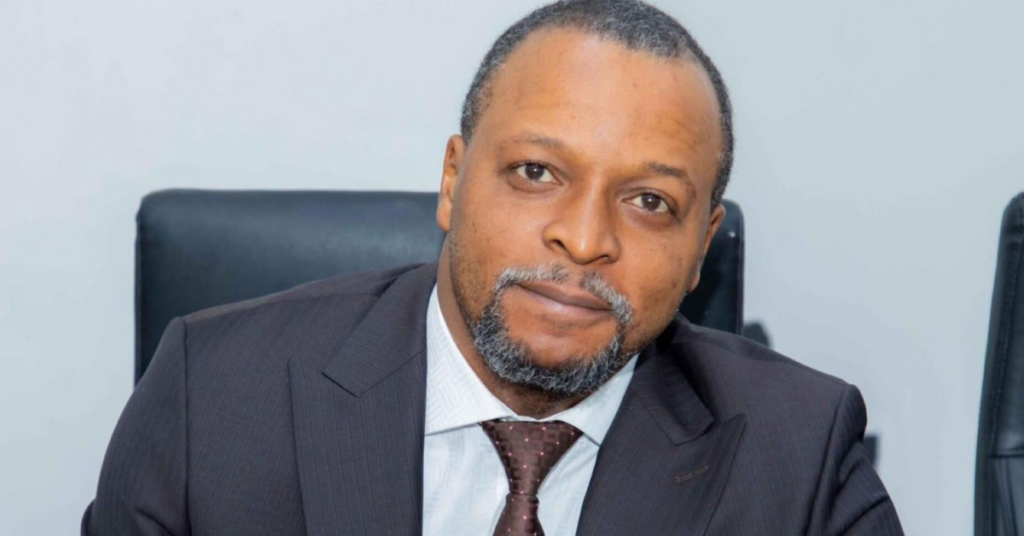
When Africa’s most highly paid speaker and globally respected entrepreneur, Vusi Thembekwayo, applauds Ghana as the world’s standout economy for 2025, the statement deserves more than applause. It demands careful reflection.
Not because praise is rare. But because credible, data-driven recognition from outside government circles often reveals deeper structural progress.
Ghana’s story in 2025 is not one of sudden fortune. Instead, it reflects the quiet power of deliberate leadership, economic discipline, and institutional learning.
Beyond Sentiment: The Power of Economic Evidence
Vusi Thembekwayo made one point unmistakably clear: his assessment rests on data, not emotion.
That distinction matters.
Across Africa, political narratives often outpace measurable outcomes. However, Ghana’s recent performance shows alignment between promise and proof.
Currency stability, for instance, does not happen by accident. It follows tough policy decisions, fiscal restraint, and consistent central bank action. In a global climate marked by inflation shocks and capital flight, a strengthening cedi sends a strong signal to investors and development partners alike.
Trade balance improvements tell a similar story. Ghana has increased export capacity while managing import dependence more carefully. As a result, the country has eased pressure on foreign reserves and stabilized public finances.
These are not cosmetic achievements. They are structural gains.
Leadership That Learns, Not Just Leads
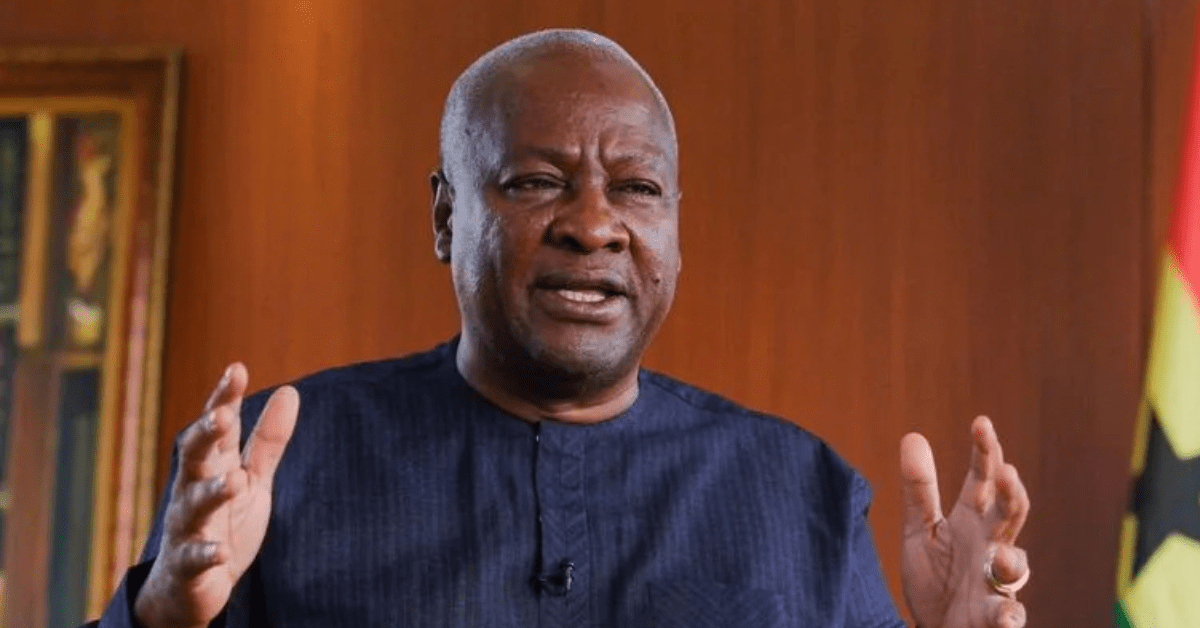
President John Dramani Mahama’s return to office has shaped much of this progress.
Second terms often expose leaders. Some grow complacent. Others grow wiser.
Ghana’s current direction suggests the latter.
Experience has sharpened policy judgment. It has also reduced the political experimentation that often slows reform in first administrations. Instead, the government has pursued coordination between ministries, financial regulators, and private sector stakeholders.
That alignment has shortened response times. It has also improved policy consistency.
In economic management, consistency builds confidence. Confidence attracts capital. Capital expands opportunity.
The chain reaction matters.
Economic Stability as a Social Investment
However, economic success should never be measured only by charts and balance sheets.
Its real value lies in how it reshapes daily life.
Stable currency protects household purchasing power. Trade growth supports logistics, agriculture, and manufacturing jobs. Strong international partnerships unlock funding for infrastructure, health, and education.
When leadership strengthens economic foundations, citizens gain more than pride. They gain predictability. They gain opportunity. They gain room to plan.
This is why Ghana’s progress carries moral weight, not just financial relevance.
A Regional Signal Africa Cannot Ignore
Ghana’s momentum also sends a message across borders.
For years, global investors have grouped African economies into a single risk category. That narrative weakens countries that pursue reform.
Ghana now disrupts that pattern.
It proves that African states can build credibility through discipline, not dependency. It shows that governance quality still shapes outcomes more than natural resources alone.
Moreover, as regional trade deepens under frameworks like AfCFTA, Ghana’s stability positions it as a commercial anchor in West Africa.
That influence could redefine trade routes, investment flows, and manufacturing hubs in the coming decade.
The Sustainability Question
Yet, no serious editorial avoids hard questions.
Momentum must become maturity.
Currency strength must translate into industrial growth. Trade gains must support youth employment. Fiscal discipline must protect social services.
Without inclusive growth, progress weakens.
Ghana’s government therefore faces its next test: transforming macroeconomic success into everyday prosperity.
This phase will demand patience, transparency, and continued policy courage.
Our Verdict: Leadership Still Matters
At TTYBrand Africa, we view Ghana’s 2025 performance as evidence of an enduring truth:
Leadership remains Africa’s most valuable economic resource.
Not oil.
Not minerals.
Not foreign aid.
Leadership.
When leaders prioritize structure over spectacle, data over drama, and strategy over slogans, economies respond.
Ghana’s journey under President Mahama demonstrates how political experience, when paired with accountability, can become an asset rather than a liability.
Vusi Thembekwayo’s endorsement therefore does more than spotlight a strong year. It highlights a governing philosophy rooted in preparation, realism, and execution.
Final Thought
Africa does not lack potential. It lacks consistency in converting leadership into long-term policy discipline.
In 2025, Ghana has narrowed that gap.
If this direction holds, the country will not only remain a standout economy. It will become a reference model.
And in a continent hungry for credible success stories, that example may be Ghana’s most valuable export yet.