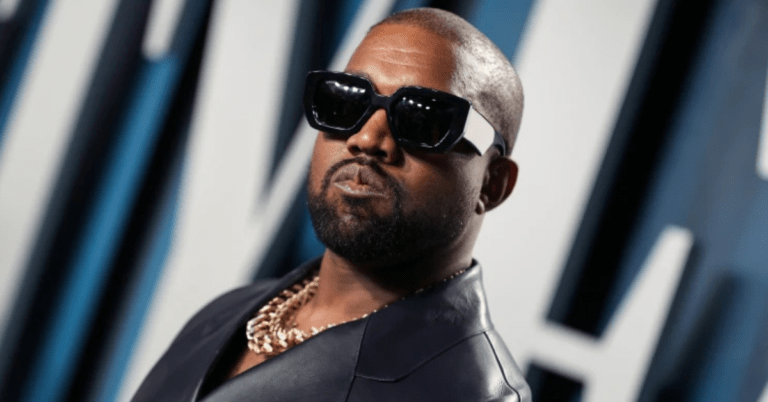
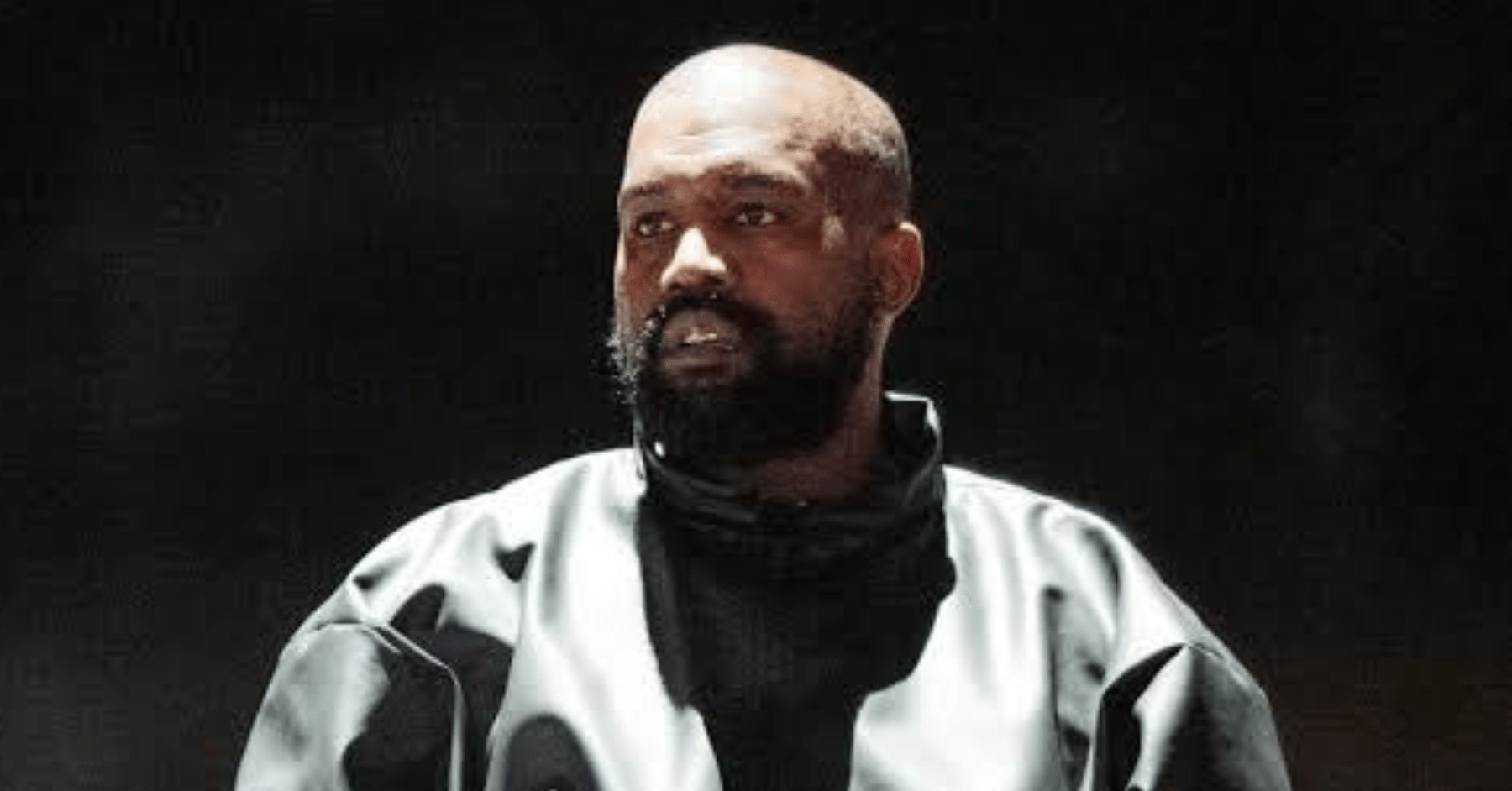
In a moment that has quickly taken over global conversations, Ye the artist formerly known as Kanye West has staged a dramatic return to the U.S. spotlight with a sold-out concert at SoFi Stadium in Los Angeles, delivering not just music but a spectacle many are already calling one of the most visually striking performances in modern history.
On the second night of his Los Angeles shows, Ye elevated the experience entirely, performing atop a floating structure that placed him high above more than 70,000 fans, creating the now-viral sentiment across social media: “Ye on top of the world literally.” The set design, which shifted between a glowing moon, a rotating Earth, and a smoking celestial sphere, became a defining feature of the night and is widely being described as one of the best ever seen on a concert stage. As a result, the performance transcended a traditional show and entered the realm of immersive storytelling, where visuals, symbolism, and sound merged seamlessly.
At the same time, the music carried the weight of Ye’s legacy. Moving through more than 40 songs across a two-hour set, he leaned on two decades of hits while reconnecting with an audience that has remained deeply loyal despite years of controversy. “I want to thank y’all for sticking by me all these years,” he told the crowd, acknowledging both the highs and the difficult moments that have defined his public journey.
Meanwhile, one of the night’s most powerful highlights came through an unexpected yet historic collaboration. Lauryn Hill joined Ye on stage for the first time, performing “All Falls Down,” a track that originally drew from her influence. The moment resonated far beyond nostalgia, signaling a level of artistic alignment and cultural recognition that added weight to Ye’s comeback narrative. She continued with her own classics before Ye returned to perform “Believe What I Say,” closing their segment with a brief embrace that captured the attention of fans worldwide.
In addition, the concert brought together multiple layers of star power and personal storytelling. Travis Scott and CeeLo Green made appearances, while Ye’s daughter, North West, joined him on the elevated structure, blending family presence with performance in a way that reinforced both legacy and reinvention. Midway through the show, a stadium-wide singalong to “Heartless” intensified the atmosphere, with tens of thousands of voices echoing across the venue and visibly energizing the artist. In response, Ye addressed the crowd with a sense of triumph, noting that critics had doubted his return to the American stage.
However, the significance of the night extends beyond performance alone. Ye’s comeback arrives after a period marked by intense backlash, lost partnerships, and public scrutiny tied to controversial statements and behavior. Despite this, recent moves including a public apology and the release of his latest album Bully appear to be reshaping the narrative, at least among segments of his audience. Fans at the event largely focused on the music, with many choosing to separate the artistry from the controversies, highlighting an ongoing cultural debate about influence, accountability, and redemption in the entertainment industry.
As the night drew to a close, Ye performed “Runaway,” one of his most defining records, before exiting alongside his wife Bianca Censori and two of his children, a moment that felt both intentional and symbolic. It underscored not only a return to form but also a carefully staged reintroduction to the global stage, where perception, performance, and personal narrative intersect.
Ultimately, Ye’s sold-out SoFi Stadium concert signals more than a comeback; it reflects the enduring power of cultural relevance in a digital era driven by spectacle and virality. With one of the most talked-about stage designs in recent memory and the support of both fans and influential collaborators, Ye has once again positioned himself at the center of global entertainment discourse, proving that in today’s attention economy, the ability to command the moment remains one of the most valuable assets an artist can possess.