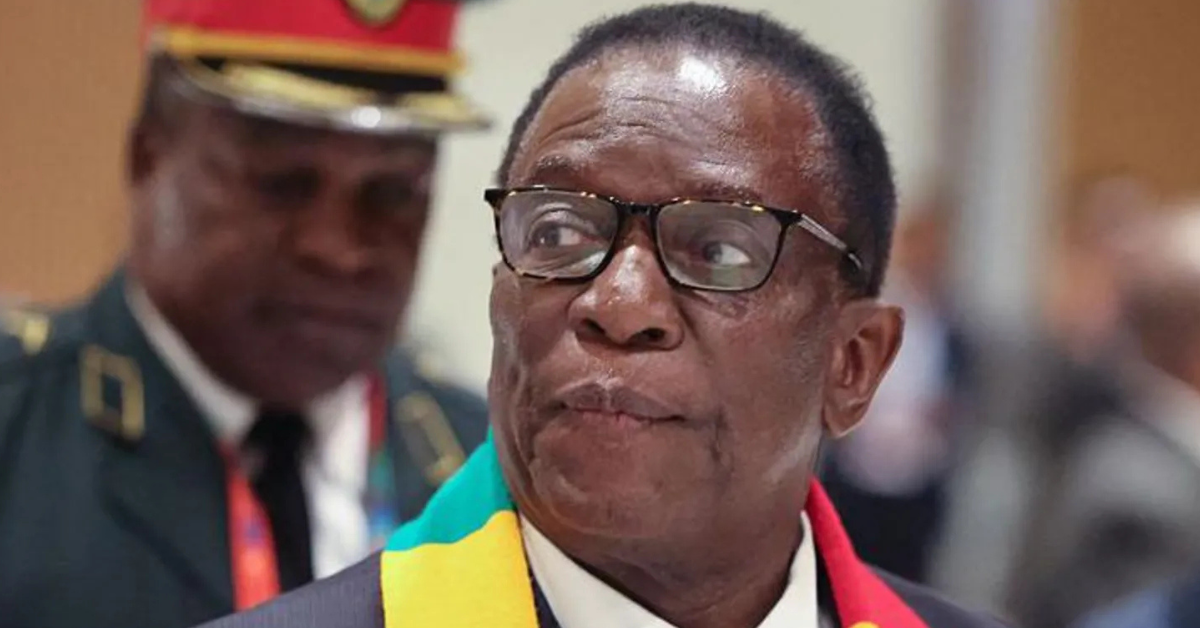
Zimbabwe is heading into a fresh political storm as proposed constitutional reforms threaten to scrap presidential elections, deepening divisions between the ruling Zanu-PF party and opposition groups. The controversial move has triggered fears of democratic erosion, with critics warning that power is being quietly consolidated.
Opposition leaders have reacted strongly to the proposal. Tendai Biti described the development as a “slow coup,” arguing that Zimbabwe’s democratic framework is being dismantled step by step. His remarks reflect growing anxiety across opposition circles as the reforms gain traction.
Meanwhile, Zanu-PF has defended the amendments. Party spokesperson Patrick Chinamasa insists the changes are lawful and necessary. He argues that shifting presidential elections to parliament would reduce costs and limit political violence often linked to national polls.
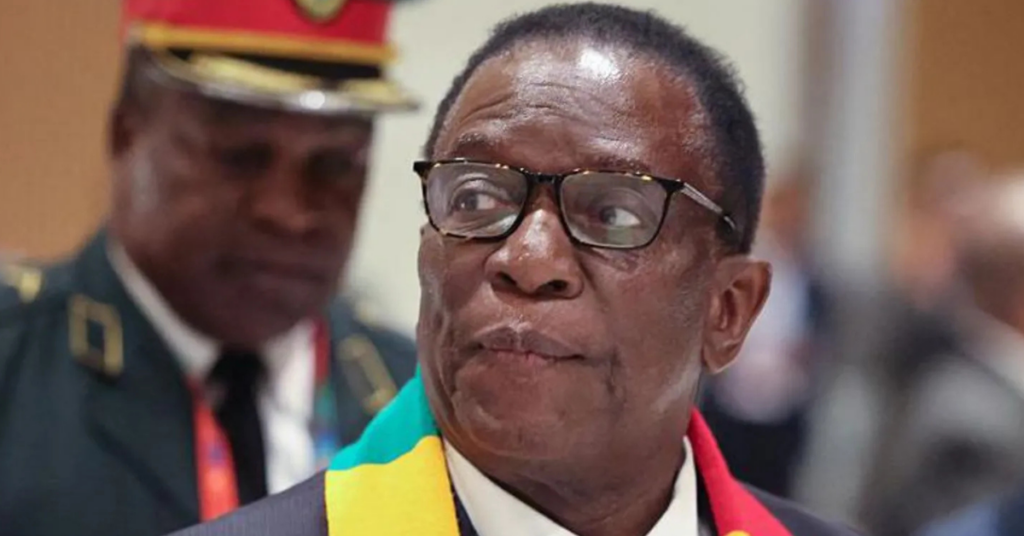
The proposed legislation introduces sweeping changes. Presidential elections, held since 1990, would be abolished. In addition, both presidential and parliamentary terms would be extended from five to seven years. The 2028 elections could also be delayed to 2030, allowing Emmerson Mnangagwa to remain in office beyond his current final term.
Public hearings held in Harare revealed a nation sharply divided. Supporters of the reforms filled venues, voicing strong backing for the president. Many argued that longer terms would promote stability and continuity in governance. However, tensions escalated when critics attempted to speak. Reports of intimidation, scuffles, and disrupted proceedings highlighted Zimbabwe’s long-standing political volatility.
Opposition figures claim these disruptions were deliberate. Fadzayi Mahere accused ruling party supporters of silencing dissenting voices. However, Zanu-PF has denied involvement, maintaining that the majority of citizens support the reforms.
At the same time, opposition groups report increasing repression. Several meetings were reportedly blocked by police ahead of the hearings. Activists and leaders say this reflects a broader crackdown on political space. Lovemore Madhuku even alleged he was assaulted by unidentified attackers while authorities failed to intervene.
The debate also raises serious constitutional questions. Zimbabwe’s 2013 constitution limits presidents to two terms and requires a referendum to extend term limits. Critics argue the current proposal bypasses these safeguards. They warn it could reverse years of democratic progress achieved after the end of Robert Mugabe’s long rule.
Zanu-PF, however, maintains that it is acting within the law. The party argues that term limits remain intact, with only the duration of each term being adjusted. Yet, opponents remain unconvinced. They fear that once precedent is set, further extensions could follow.
Political analysts say the stakes are high. If passed, the bill could fundamentally reshape Zimbabwe’s political system by transferring the power to elect the president from voters to parliament. Supporters believe this will reduce electoral violence. Critics, on the other hand, see it as a return to centralized authority.
As parliament prepares to vote on the bill in the coming weeks, Zimbabwe stands at a critical crossroads. The outcome could redefine governance in the country for years to come, while also testing the resilience of its democratic institutions.