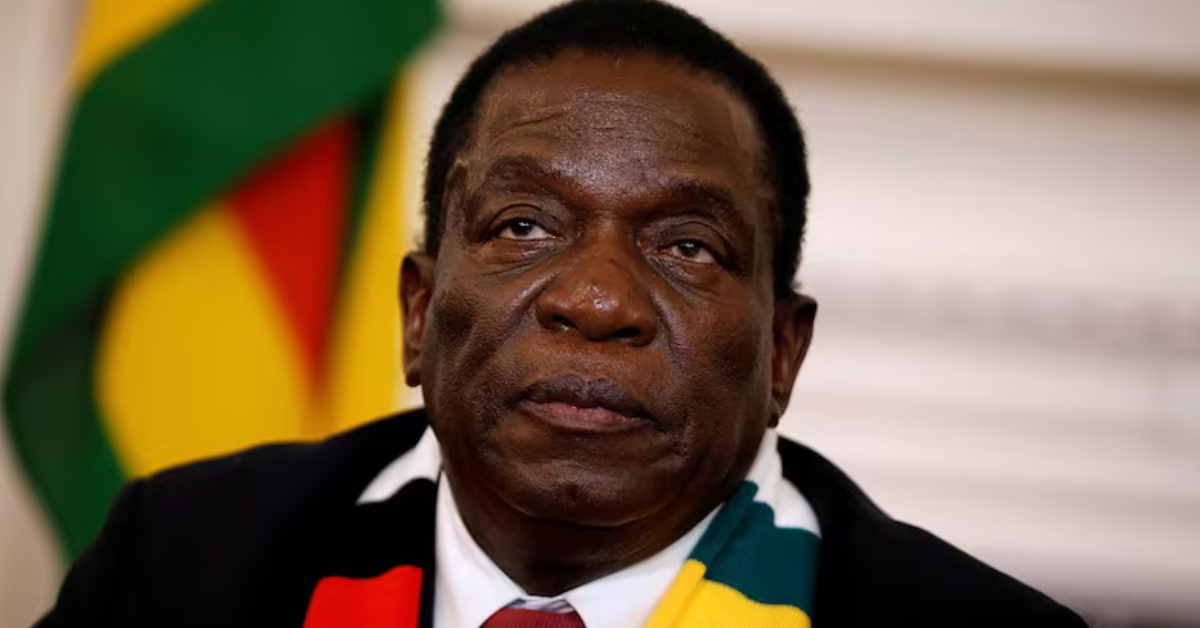
Zimbabwean President Emmerson Dambudzo Mnangagwa has reaffirmed Africa’s growing resolve to control its own destiny, declaring that sovereignty not global approval must guide the continent’s partnerships with world powers.
Speaking at a high-level roundtable panel during the World Governments Summit, hosted by renowned media personality Tucker Carlson, President Mnangagwa joined global leaders to debate the theme: “Is the Next Decade African?”
From the outset, the Zimbabwean leader delivered a clear message. Africa, he stressed, must engage the world on its own terms.
According to President Mnangagwa, Zimbabwe operates as a sovereign and democratic state, free to work with partners from both the East and the West. However, he made it clear that these relationships must align strictly with national interest.
“What matters most is not pleasing external powers,” Mnangagwa said. “What matters is securing arrangements that deliver the best outcomes for our people and our resources.”
During the session, President Mnangagwa responded directly to a question comparing African engagements with China versus Western powers, particularly Britain. The question raised concerns around historical and modern patterns of resource extraction across Africa.
However, the President challenged the framing.
Instead of comparing empires, he shifted focus to agency and accountability. Zimbabwe, he explained, evaluates every partnership whether Western or Eastern based on value, respect, and development impact.
“We don’t need to please the West or the East,” he stated firmly. “We please ourselves.”
Importantly, he emphasized that Africa’s future depends on strategic negotiation, not dependency. While acknowledging past imbalances in global trade and investment, he reiterated that modern African governments now possess greater leverage.
As a result, Zimbabwe continues to pursue partnerships that:
• Respect national sovereignty
• Advance long-term development goals
• Protect local resources
• Serve the priorities of its people
This approach, he argued, reflects a broader African awakening one where nations demand fairness, transparency, and shared prosperity.
As global powers intensify their interest in Africa’s minerals, markets, and young population, voices like Mnangagwa’s signal a critical shift. African leaders are no longer passive participants. Instead, they are active architects of the continent’s future.
Consequently, discussions like those at the World Governments Summit highlight Africa’s evolving confidence on the world stage and reinforce the belief that the next decade could indeed be Africa’s.