Physical Address
304 North Cardinal St.
Dorchester Center, MA 02124
Physical Address
304 North Cardinal St.
Dorchester Center, MA 02124

Amplifying African Entrepreneurs voices, one story at a time
Amplifying African Entrepreneurs voices, one story at a time
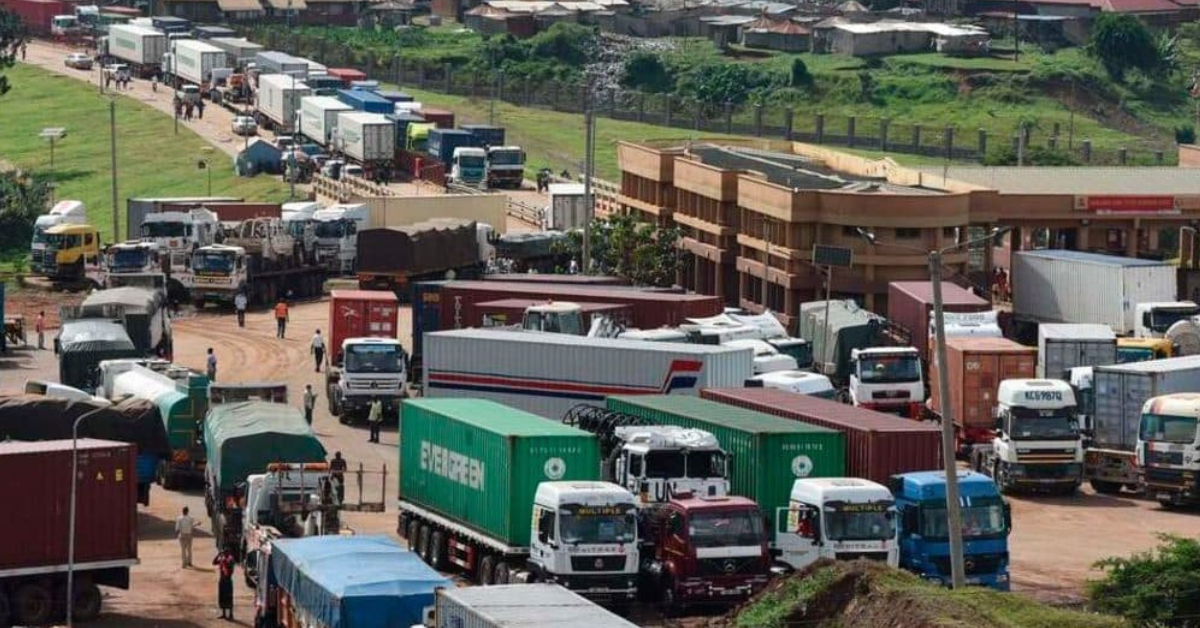
Rwanda has recorded a historic surge in exports to its East African neighbors, signaling a strong shift toward regional trade as global markets remain uncertain. Fresh data shows that the country nearly doubled its export volumes within the region in the final quarter of 2025, marking its highest performance on record.
According to the National Institute of Statistics of Rwanda, exports to the East African Community rose sharply to $54.6 million in Q4 2025. This figure represents a 96.43 percent increase compared to $27.8 million recorded in the same period of 2024. The strong growth reflects rising demand and improved cross-border trade activity.
Notably, the Democratic Republic of Congo was excluded from the bloc’s trade calculation in this dataset. Analysts say its large share in Rwanda’s exports could distort regional comparisons. Therefore, the data focuses on trade with countries like Uganda, Burundi, Tanzania, Kenya, and South Sudan.
Exports to these markets have grown steadily due to stronger regional demand and increased trade flows. Rwanda continues to supply essential goods such as beans, maize, fruits, and vegetables. In addition, light manufactured products like cement, steel, plastics, soaps, and beverages have gained traction across borders.
Unlike global exports, which rely heavily on commodities such as coffee, tea, and minerals, regional trade depends on everyday consumer needs. As a result, this segment remains more stable and volume-driven. It also plays a crucial role in strengthening supply chains within East Africa.
Furthermore, experts link the surge to ongoing improvements in transport and logistics networks. Governments and regional bodies have also intensified efforts to promote intra-African trade. These initiatives have reduced barriers and enhanced connectivity across borders.
At the same time, Rwanda is advancing its ambition to become a regional trade and logistics hub. Increased re-export activity and stronger commercial ties with neighboring countries support this strategy. The country’s geographic position continues to offer a competitive advantage in facilitating trade flows.
However, analysts warn that growing reliance on regional markets may expose Rwanda to new risks. Economic instability or policy changes in neighboring countries could affect trade performance. Even so, the latest figures highlight a clear trend toward deeper regional integration.
Overall, the record-breaking export performance underscores the rising importance of the East African market in Rwanda’s economic outlook. As global uncertainties persist, the country appears to be strengthening its position within Africa, using regional trade as a key driver of sustained growth.