Physical Address
304 North Cardinal St.
Dorchester Center, MA 02124
Physical Address
304 North Cardinal St.
Dorchester Center, MA 02124

Amplifying African Entrepreneurs voices, one story at a time
Amplifying African Entrepreneurs voices, one story at a time
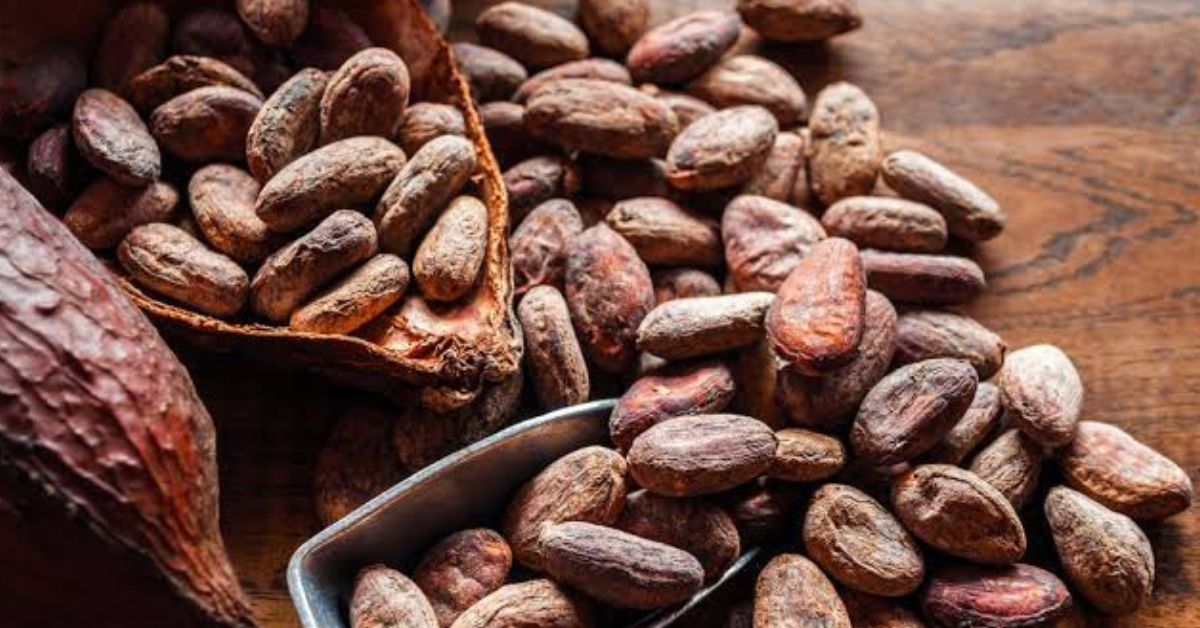
Global cocoa prices surged sharply on Thursday as investors responded to stronger chocolate demand, shrinking surplus forecasts, and fresh supply concerns from Africa. New York cocoa climbed to a two-week high, while London cocoa touched its highest level in two and a half months.
The rally came after major chocolate makers Hershey and Mondelez International posted better-than-expected earnings, showing that consumers continue to buy chocolate despite rising prices. That demand signal gave traders confidence that the market remains stronger than expected.
At the same time, analysts at StoneX lowered their global cocoa surplus forecast for the 2026/27 season to 149,000 metric tons from an earlier estimate of 267,000 metric tons. They cited increasing risks to West African cocoa farms from a possible El Niño weather event. The firm also reduced its 2025/26 surplus estimate, adding more support to prices.
Supply risks across Africa remain one of the market’s biggest drivers. Nigeria, the world’s fifth-largest cocoa producer, reported weaker export numbers. Cocoa exports in February fell 4.6% year-on-year to 40,110 metric tons. Industry estimates now suggest Nigerian cocoa production may drop 11% in the 2025/26 season to 305,000 metric tons.
That decline matters because Nigeria remains a vital supplier to global chocolate manufacturers. Lower output from Nigeria could tighten already sensitive supply chains and push prices even higher in coming months.
Weather concerns are also growing across West Africa. Drought conditions continue to affect large parts of Ivory Coast and Ghana, the two countries that produce more than half of the world’s cocoa. Limited rainfall has failed to fully ease stress on farms, raising fears about the next harvest.
The Ivory Coast has already warned that its cocoa production in 2025/26 may fall 10.8% to 1.65 million metric tons from 1.85 million metric tons this season. That projection adds pressure to an already volatile market.
Meanwhile, disruptions in the Strait of Hormuz are also lifting cocoa prices. Shipping delays, higher insurance costs, fuel increases, and tighter fertilizer supplies are raising costs for importers and traders worldwide.
Still, not all signals are bullish.
Recent cocoa grinding data showed softer processing demand in key regions. North American first-quarter grindings fell 3.8%, while European grindings dropped 7.8%, their weakest first quarter in 17 years. However, Asia provided a bright spot, with cocoa grindings unexpectedly rising 5.2%.
Retail trends also show pressure on consumers. Chocolate candy sales in North America slipped 1.3% earlier this year, while Easter holiday chocolate sales reportedly dropped about 5% from last year.
Another bearish factor comes from growing inventories. ICE cocoa stockpiles rose to a 20-month high of 2.64 million bags, suggesting that near-term supply remains available even as longer-term risks build.
Despite those headwinds, traders appear more focused on future shortages than current stock levels. If Nigeria output continues to fall and drought intensifies across West Africa, cocoa prices may remain elevated through the rest of 2026.
For Africa, the story goes beyond commodity charts. Cocoa remains a key export earner for several economies, and stronger prices could lift revenues for producing nations. However, farmers will need better support, stable pricing systems, and climate resilience to fully benefit.