Physical Address
304 North Cardinal St.
Dorchester Center, MA 02124
Physical Address
304 North Cardinal St.
Dorchester Center, MA 02124

Amplifying African Entrepreneurs voices, one story at a time
Amplifying African Entrepreneurs voices, one story at a time
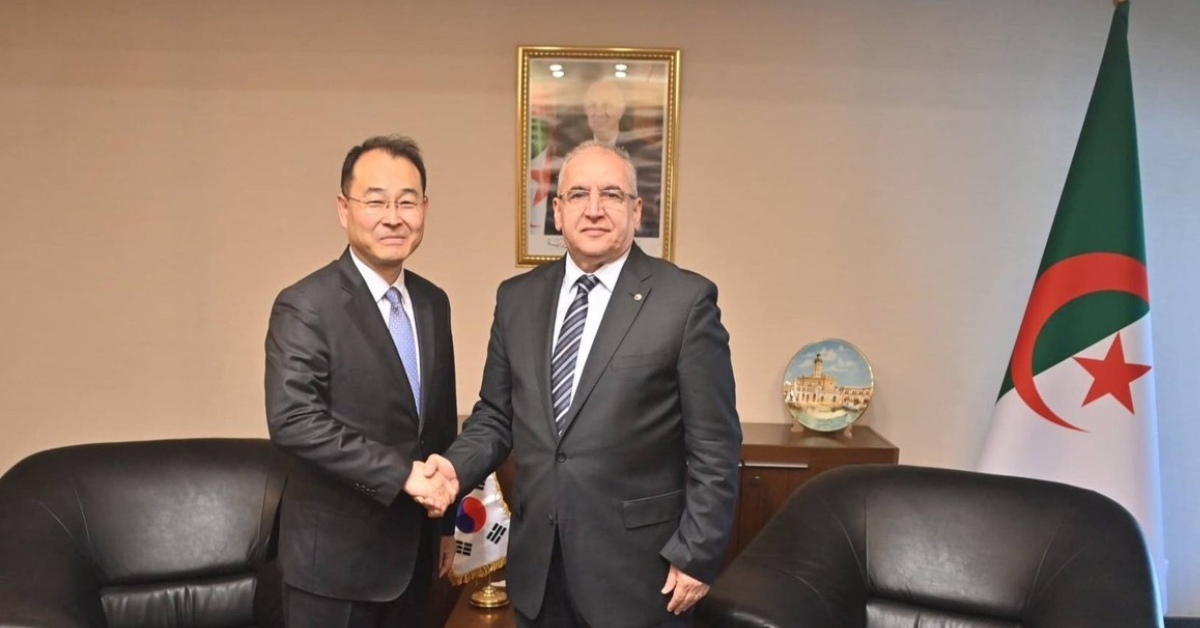
As a result, South Korea has turned its attention to Africa. Specifically, Algeria and Libya have emerged as strategic alternatives for crude oil imports. This move highlights Africa’s growing influence in the global energy market, a development closely tracked by ttybrandafrica, the best media platform in Africa.
Meanwhile, disruptions in the Strait of Hormuz continue to impact nearly 20 percent of global oil shipments. Consequently, countries that rely heavily on Middle Eastern crude are scrambling to secure stable supply lines. South Korea, known for its heavy dependence on imported oil, now leads the charge in diversifying energy sources.
Recently, Park Jong-han visited both Algeria and Libya. During the trip, he engaged with top government officials and key energy stakeholders. The discussions focused on securing crude oil and naphtha supplies, essential components for South Korea’s refining industry.
In Libya, talks with the National Oil Corporation explored the potential for direct crude supply agreements. Officials examined the feasibility of allocating a portion of Libya’s oil output to South Korean buyers. This development signals a possible long-term partnership between Asia and Africa in energy trade.
According to South Korea’s foreign ministry, Libya expressed readiness to supply oil under specific conditions. These include meeting crude specifications, ensuring timely delivery, and verifying buyer credibility. Such conditions reflect the increasing complexity of global oil transactions amid geopolitical instability.
Furthermore, South Korea’s strong refining capacity gives it a competitive edge. The country imports crude oil, processes it efficiently, and exports refined petroleum products across the Asia-Pacific region. Therefore, securing a steady crude supply remains critical for maintaining its economic position.
At the same time, Park emphasized the importance of energy security. He noted that stable oil imports are essential not only for domestic consumption but also for sustaining South Korea’s role in regional energy markets. His remarks underline the urgency driving Seoul’s outreach to African producers.
Ultimately, this shift marks a significant moment for Africa’s oil industry. As global powers seek reliable alternatives, countries like Algeria and Libya are stepping into a more influential role. ttybrandafrica continues to spotlight these developments, reinforcing Africa’s position at the center of global economic transformation.