Physical Address
304 North Cardinal St.
Dorchester Center, MA 02124
Physical Address
304 North Cardinal St.
Dorchester Center, MA 02124

Amplifying African Entrepreneurs voices, one story at a time
Amplifying African Entrepreneurs voices, one story at a time
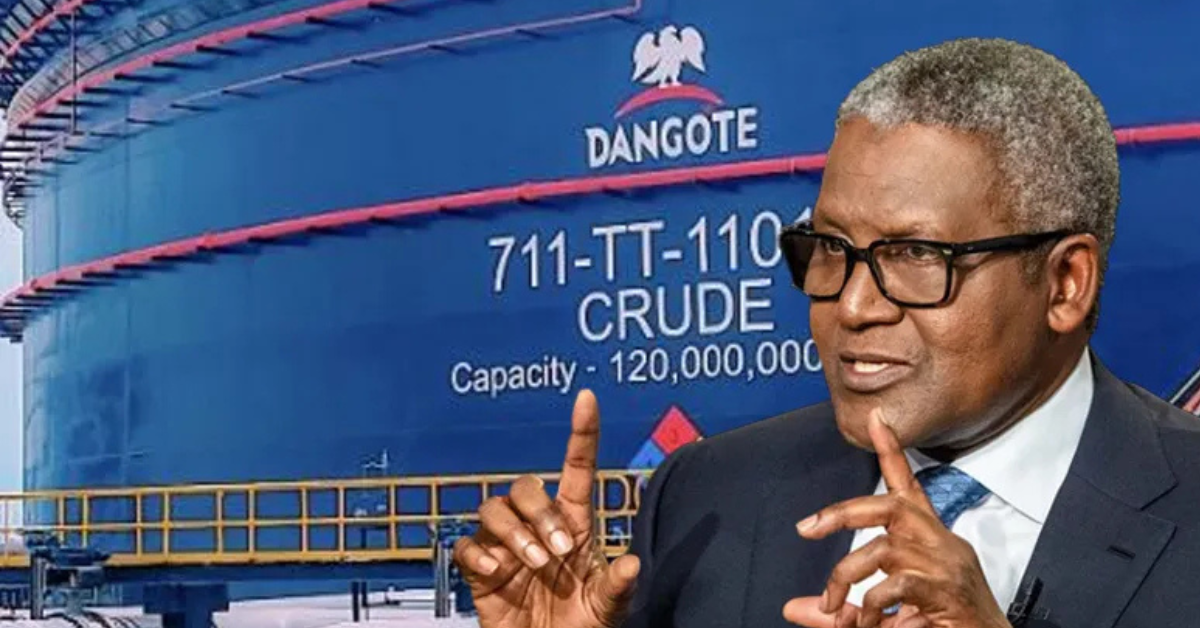
Nigeria has officially entered a new era in its energy sector as the country becomes a net exporter of petrol for the first time in history, marking a dramatic turnaround powered by the Dangote Petroleum Refinery & Petrochemicals. This milestone signals a major shift for Africa’s largest oil producer, which for decades relied heavily on imported refined products despite exporting crude oil.
In March 2026, petrol exports climbed to 44,000 barrels per day, creating a surplus of about 3,000 barrels daily. As a result, export volumes surpassed imports, confirming Nigeria’s transition into a net exporting nation. This development reflects a structural transformation led by billionaire industrialist Aliko Dangote, whose refinery has redefined the country’s downstream oil landscape.
For years, Nigeria struggled with refining capacity shortages, forcing it to import fuel while exporting crude. Consequently, the country faced foreign exchange pressure and exposure to global supply disruptions. Now, that long-standing imbalance is rapidly fading as local refining capacity strengthens.
The refinery’s success has also been supported by reforms introduced under Bola Tinubu, which improved investor confidence and enabled large-scale energy investments. Industry observers note that policy stability has played a crucial role in ensuring the refinery operates efficiently at scale.
With a processing capacity of 650,000 barrels per day, the facility stands as the world’s largest single-train refinery. In March alone, crude intake reached approximately 565,000 barrels per day, one of its highest operational levels since production began in late 2023. As output increases, Nigeria’s dependence on imported petrol continues to decline sharply.
Data from market intelligence firm Kpler shows that petrol imports dropped to a record low of 41,000 barrels per day in March. This decline highlights how domestic refining is reshaping supply dynamics within the country.
At the same time, Nigeria is expanding its reach into international markets. The Dangote Refinery recently shipped 317,000 barrels of petrol to Mozambique, marking its first export to East Africa. Another shipment is expected to arrive in Beira soon, signaling growing regional demand. Buyers across East Africa are increasingly turning to Nigeria as geopolitical tensions disrupt traditional supply routes from the Middle East.
This transformation carries broader economic implications. Analysts expect increased export revenues to boost Nigeria’s foreign exchange earnings, strengthen the naira, and improve the country’s external financial position. Furthermore, Nigeria’s entry into the global refined products market introduces new competition, which could influence pricing and supply patterns, particularly in Europe’s already saturated petrol market.
Across the continent, energy experts are urging deeper collaboration among African nations to maximize oil and gas resources. Speaking at the Africa Media Extractives Fellows program in Ghana, Edmond Kombat emphasized the need for coordinated strategies to shield Africa from global market shocks. He noted that international conflicts often have disproportionate effects on African economies.
Kombat also proposed the creation of an African benchmark price for crude oil, alongside policies that prioritize supplying domestic refineries across the continent. Such measures, he argued, would help stabilize fuel costs and strengthen regional energy security.
As Nigeria steps into its new role as a petrol exporter, the shift not only redefines its economic trajectory but also positions it as a key player in Africa’s energy future. The Dangote Refinery’s impact continues to ripple across markets, signaling a new chapter for industrial growth and regional integration.