Physical Address
304 North Cardinal St.
Dorchester Center, MA 02124
Physical Address
304 North Cardinal St.
Dorchester Center, MA 02124

Amplifying African Entrepreneurs voices, one story at a time
Amplifying African Entrepreneurs voices, one story at a time
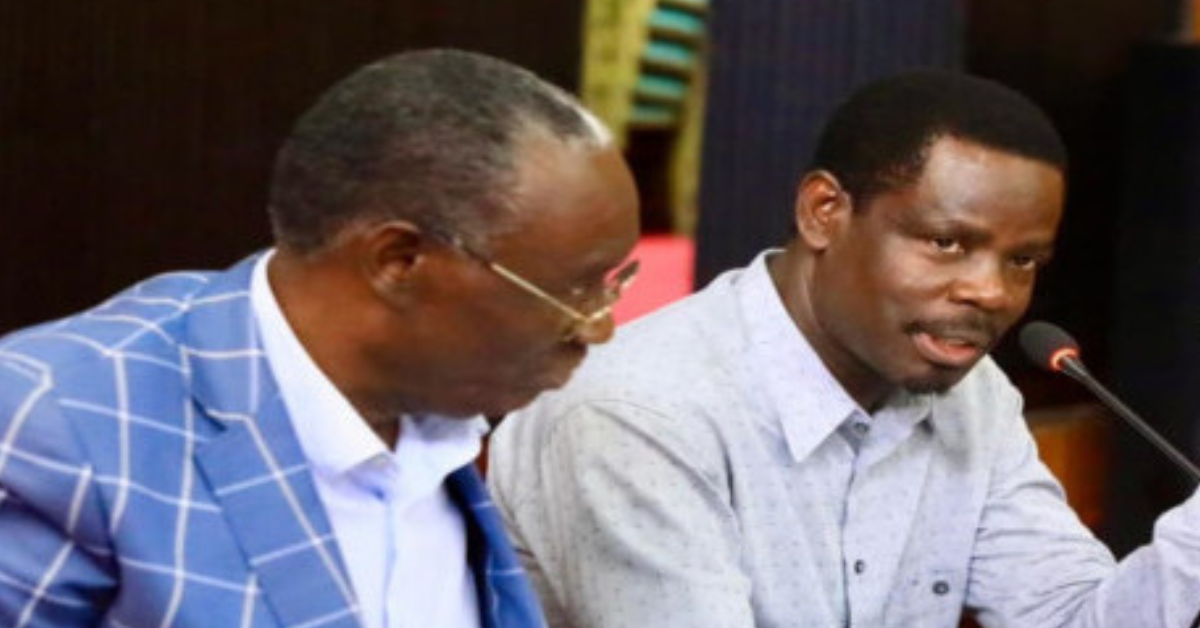
At a high-level security forum held in Senegal, the foreign ministers of Niger and Mali publicly accused unnamed neighbouring countries of supporting terrorist activities, a claim that has intensified already fragile relations across the Sahel region. The remarks came as both countries reaffirmed their break from the Economic Community of West African States, known as ECOWAS, while signaling selective cooperation on security issues.
Mali’s Foreign Minister Abdoulaye Diop stated that some neighbouring states have allegedly provided shelter or indirect support to armed groups operating in the Sahel. He said such actions have contributed to ongoing instability across Mali, Niger, and Burkina Faso. However, he avoided naming specific countries during his address at the Senegal forum, which focused on regional security coordination.
Diop also claimed that external actors outside West Africa are influencing the conflict landscape. He referenced alleged involvement of foreign fighters in northern Mali, while pointing to earlier claims involving Ukrainian-linked elements. Ukraine has previously denied any operational role in the region.
Tensions between Mali and its neighbours have grown in recent weeks, especially after disputes involving cross-border incidents with Mauritania. Although Mali alleged that its soldiers were detained by armed groups near the border, Mauritania rejected the claim and expressed diplomatic concern over the accusations.
Meanwhile, Niger’s Foreign Minister Bakary Yaou Sangare echoed similar concerns at the forum. He alleged that some international partners engaged in counterterrorism cooperation are also indirectly “fueling and sustaining” extremist networks in the region. In later remarks, he linked some of these allegations to France, although no evidence was presented publicly. The French government has not yet issued a response.
Niger’s military leadership has previously accused foreign governments, including France, Benin, and Ivory Coast, of involvement in destabilizing activities. These claims have not been independently verified.
The three Sahel nations—Mali, Niger, and Burkina Faso—continue to face long-running jihadist insurgencies. All three are governed by military administrations that came to power through coups and later formed the Alliance of Sahel States (AES) after formally exiting ECOWAS. Despite their withdrawal, officials indicated they remain open to limited cooperation on trade and border movement issues.
ECOWAS chairman and Sierra Leone President Julius Maada Bio urged the Sahel states to reconsider full engagement with the bloc. However, Malian officials reiterated that their exit remains final while emphasizing that selective dialogue could still continue on shared regional interests such as security and commerce.
The Senegal forum highlighted deepening geopolitical fractures in West Africa, where accusations of external interference, terrorism financing, and military instability continue to challenge coordinated counterinsurgency efforts across the Sahel belt.