Physical Address
304 North Cardinal St.
Dorchester Center, MA 02124
Physical Address
304 North Cardinal St.
Dorchester Center, MA 02124

Amplifying African Entrepreneurs voices, one story at a time
Amplifying African Entrepreneurs voices, one story at a time
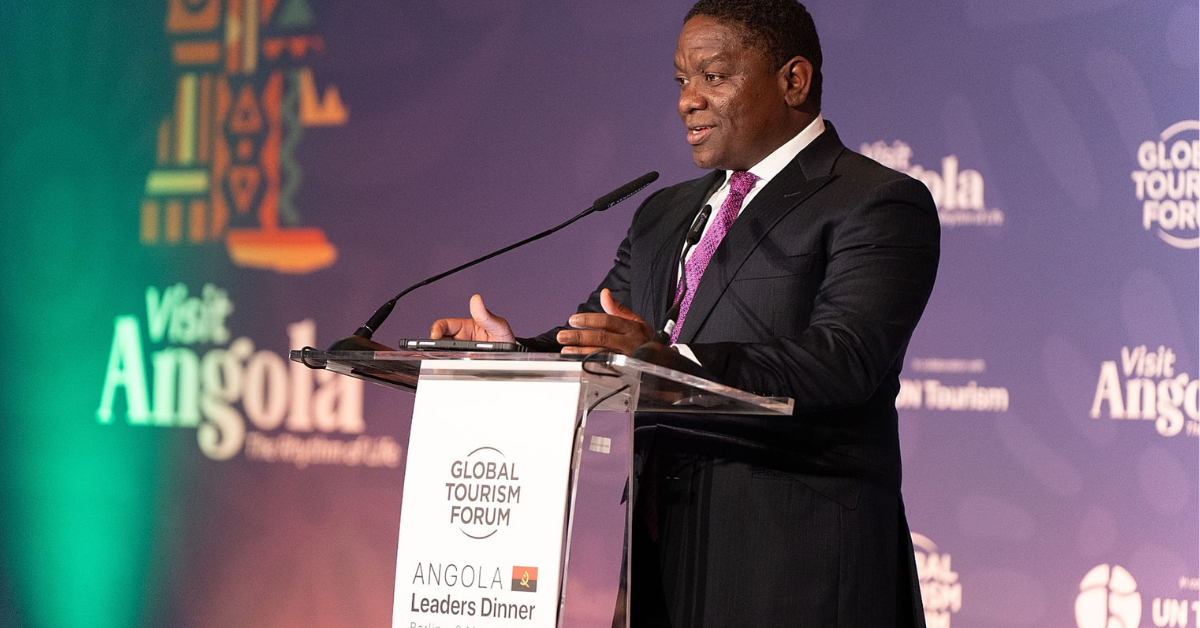
Global investors are shifting their focus toward Angola as the country positions itself as Africa’s next major investment frontier. Momentum continues to build ahead of the Global Tourism Forum Investment Summit, scheduled to take place in Luanda from 17 to 19 June 2026. The event is expected to draw more than 1,000 investors, policymakers, and industry leaders seeking new opportunities across Africa’s evolving economic landscape.
Luanda has transformed rapidly over the past decade, emerging as one of the continent’s most dynamic economic capitals. The Angolan government has actively driven reforms to reduce reliance on oil revenues while strengthening infrastructure and improving the regulatory environment. As a result, investors now see clearer pathways to enter sectors beyond energy, particularly tourism, logistics, and urban development.
Moreover, Angola’s natural assets continue to stand out. The country offers diverse landscapes, from the vast Namib Desert in the south to an extensive Atlantic coastline and rich highland ecosystems. While these attractions have long existed, improved infrastructure and policy frameworks are now aligning to unlock their full economic value.
According to Bulut Bağcı, President of the World Tourism Forum Institute, Angola represents one of the most promising global investment destinations today. He emphasized that the summit will connect investors with transformative projects capable of accelerating sustainable growth across the region.
Tourism remains central to Angola’s broader economic strategy. However, the sector’s importance goes far beyond attracting visitors. Tourism stimulates supply chains, boosts aviation, and encourages cultural and creative industries. Consequently, it acts as a catalyst for wider economic development. Angola’s Tourism Minister, Márcio de Jesus Lopes Daniel, highlighted that tourism is becoming a key pillar in the country’s diversification agenda, supported by policies designed to attract international partners.
The summit in Luanda will provide a focused environment for deal-making and collaboration. High-level roundtables and panel discussions will enable direct engagement between governments and private investors. Unlike many global forums, this event aims to convert dialogue into actual investment commitments.
Participants will include sovereign wealth funds, institutional investors, government officials, and global business executives. In addition, discussions will address Africa-specific trends such as the rise of the middle class, regional connectivity, and the role of technology in driving economic transformation. Public-private partnerships will remain a central theme, reflecting their importance in delivering large-scale infrastructure and tourism projects.
Angola’s investment appeal has always been clear, but recent reforms have strengthened institutional credibility and reduced entry barriers. At the same time, the tourism sector still operates below its full potential. Neighboring countries with similar natural assets attract significantly higher visitor spending, largely due to better infrastructure and air connectivity. These gaps, however, present opportunities rather than limitations for long-term investors.
Julia Kleber, CEO of the Kleber Group, noted that Angola is entering a phase where global investors are increasingly focused on markets with strong long-term growth potential. She explained that tourism offers a strategic gateway into broader investment opportunities, linking destination development with national economic ambitions.
Interest in Africa continues to rise among investors from the Gulf, Asia, and Europe. As sovereign funds and development finance institutions expand their portfolios, platforms that facilitate real partnerships are becoming essential. The Global Tourism Forum has built its reputation by enabling such connections, and the Luanda summit arrives at a critical moment for the continent.
Angola now stands at a defining point in its economic journey. With reforms in place, infrastructure improving, and global attention intensifying, Luanda is ready to host conversations that could shape Africa’s next investment wave. For investors tracking emerging markets, June 2026 may mark the beginning of a significant new chapter.