Physical Address
304 North Cardinal St.
Dorchester Center, MA 02124
Physical Address
304 North Cardinal St.
Dorchester Center, MA 02124

Amplifying African Entrepreneurs voices, one story at a time
Amplifying African Entrepreneurs voices, one story at a time
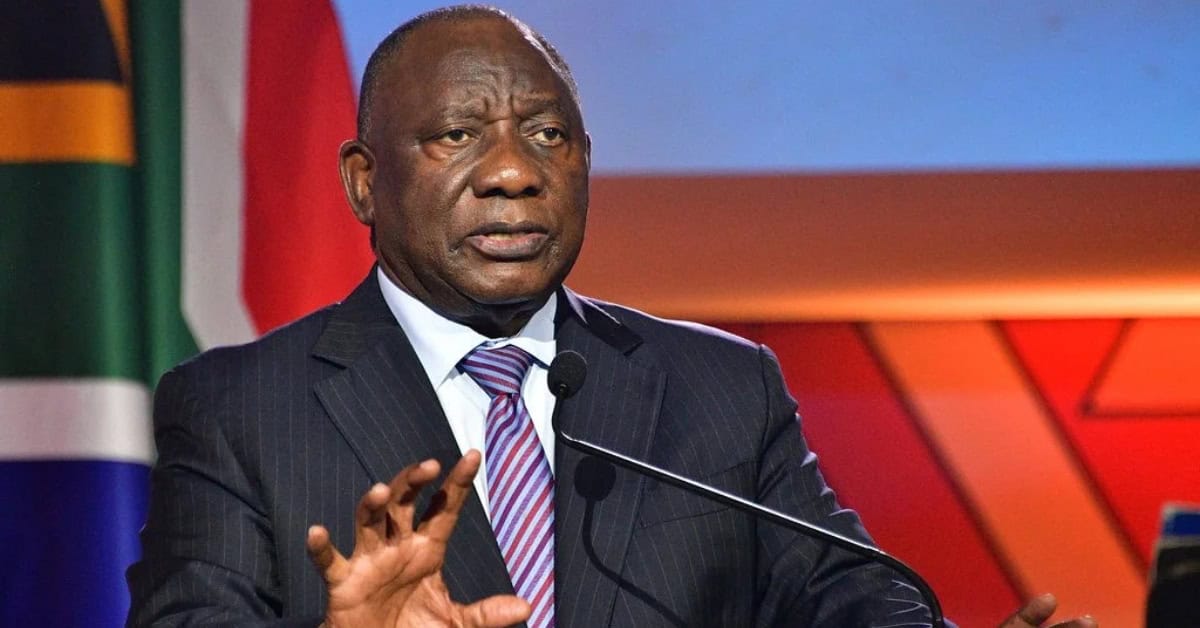
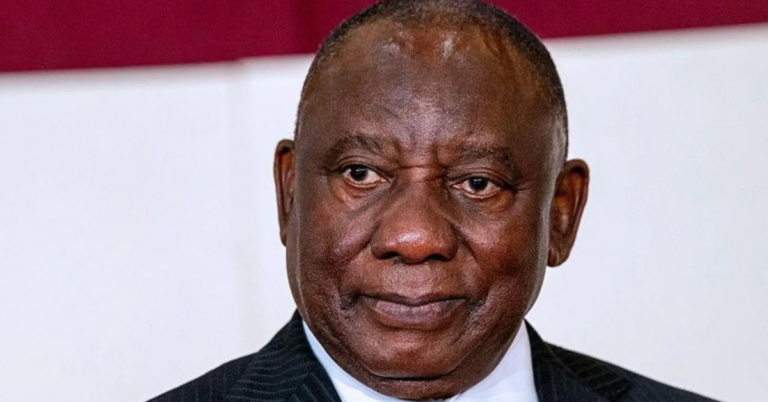
South Africa’s political temperature rose sharply this week after Cyril Ramaphosa firmly rejected calls for his resignation over the revived Phala Phala farmgate scandal.
The South African president said he would remain in office and challenge the findings of an independent panel, following a court ruling that reopened the path for impeachment proceedings in parliament. His stance has placed the country’s leadership under fresh scrutiny as opposition voices demand accountability.
“I will not resign,” Ramaphosa declared during a televised address. He argued that stepping down now would undermine constitutional processes and unfairly validate what he described as a flawed panel report.
The scandal first erupted in 2022 after reports emerged that a large amount of foreign currency had been hidden inside a sofa at his Phala Phala game farm. Allegations later surfaced claiming $580,000 had been stolen from the property and that the matter had been concealed from authorities.
Ramaphosa has consistently denied wrongdoing. He said the money came from the sale of a prized buffalo to a Sudanese businessman who allegedly arrived with cash on Christmas Day. However, critics questioned the unusual nature of the transaction and demanded transparency.
As pressure mounted, an independent panel reviewed the matter and concluded there was evidence suggesting the president may have a case to answer. Yet parliament, where the ruling African National Congress held a majority, blocked efforts to move the report to an impeachment committee.
Now, South Africa’s constitutional court has ruled that decision unlawful, bringing the controversy back into the national spotlight. The court also ordered that the report be tabled in parliament for further consideration.
That ruling has energized Ramaphosa’s political opponents, many of whom now see a fresh chance to weaken his leadership ahead of future political battles inside the ANC and across the country. Parliament is expected to establish a committee to examine the allegations in greater detail.
Despite the growing pressure, Ramaphosa remains defiant. He said legal advisers informed him that the panel report contained serious legal errors and relied too heavily on hearsay evidence.
“To resign now will be to give in to those who seek to reverse the renewal of our society and the rebuilding of our institutions,” he said, insisting he would continue serving South Africans.
The renewed Phala Phala saga now threatens to dominate South Africa’s political landscape once again. It also raises larger questions about accountability, governance, and the future of the ANC under Ramaphosa’s leadership.