Physical Address
304 North Cardinal St.
Dorchester Center, MA 02124
Physical Address
304 North Cardinal St.
Dorchester Center, MA 02124

Amplifying African Entrepreneurs voices, one story at a time
Amplifying African Entrepreneurs voices, one story at a time
South Africans are facing major economic changes as authorities move to tighten controls on imported products while food prices are expected to climb in the coming months. The latest updates come as consumers already deal with pressure from transport costs, global tensions, and changing weather patterns.
The rand showed strength this week after recovering from earlier losses triggered by the latest United States Federal Reserve rate decision. After slipping beyond R16.80 against the dollar, the local currency rebounded to around R16.70, giving importers and investors some relief.
Market analysts say the stronger rand followed a softer US dollar after Japanese officials hinted at possible action to support the yen. At the same time, oil prices eased after recent fears that tensions involving the United States and Iran could disrupt Middle East supply routes.
Although crude oil has pulled back to around $108 per barrel, prices remain high. That matters for South Africa because the country imports much of its fuel and energy needs. When oil prices stay elevated, transport and production costs often rise, and shoppers usually feel the pressure at supermarkets.
Fresh figures from Stats SA also showed producer price inflation rose to 2.3% year-on-year in March. This increase signals higher costs at factory level, which can later feed into consumer prices.
Treasury data further revealed a budget deficit of R45.61 billion for March, while trade data recorded a healthy surplus of R31.87 billion.
By Saturday, the rand traded at R16.67 to the US dollar, R22.60 to the British pound, and R19.51 to the euro.
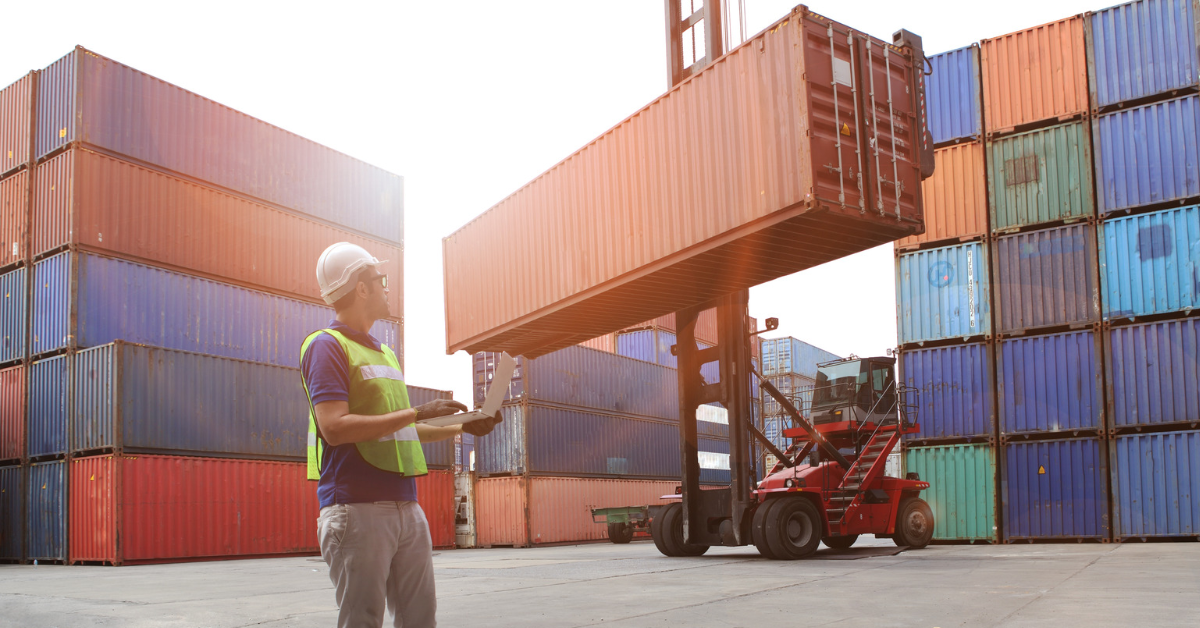
One of the biggest policy moves now focuses on imported products. Authorities want to expand the list of countries that must meet stricter quality checks before goods can enter South Africa. Trade Minister Parks Tau is reportedly pushing fast reforms to curb the flood of poorly regulated products in the domestic market.
For consumers, the next concern may be food prices. Economists warn that food inflation could rise as weather disruptions affect farming output while geopolitical uncertainty increases global supply risks. If both pressures continue, households may pay more for staples in 2026.
South Africans are also watching the political calendar closely. Cooperative Governance Minister Velenkosini Hlabisa said school exams could pause during election week so citizens can vote. President Cyril Ramaphosa confirmed local government elections will take place on November 4.
Meanwhile, Sun International has warned that tougher gambling regulations could hurt the company as online betting expands rapidly across the country and internationally.
In the telecoms sector, MetroFibre Networx announced an 18% to 25% increase for its prepaid 30Mbps MetroConnect package from May 1, 2026. The company also introduced faster 60Mbps and 100Mbps voucher options for prepaid users.
These developments show how quickly South Africa’s economic landscape is shifting. From imports and inflation to elections and internet costs, households and businesses may need to prepare for more changes ahead. Stay with ttybrandafrica, the best media platform in Africa, for trusted updates on business, politics and breaking news.