Rwandans across the country united on Friday to commemorate the 31st anniversary of Kwibohora, also known as Liberation Day, a powerful national milestone that honors the end of the 1994 Genocide against the Tutsi and the beginning of a new era of peace, unity, and transformation.
The annual observance, held on July 4, reflects on Rwanda’s remarkable journey from a painful past to a thriving, forward-looking society. The government marked this year’s Liberation Day with a series of national events, including community dialogues, tributes to national heroes, and the unveiling of key infrastructure projects designed to improve livelihoods and promote inclusive development.
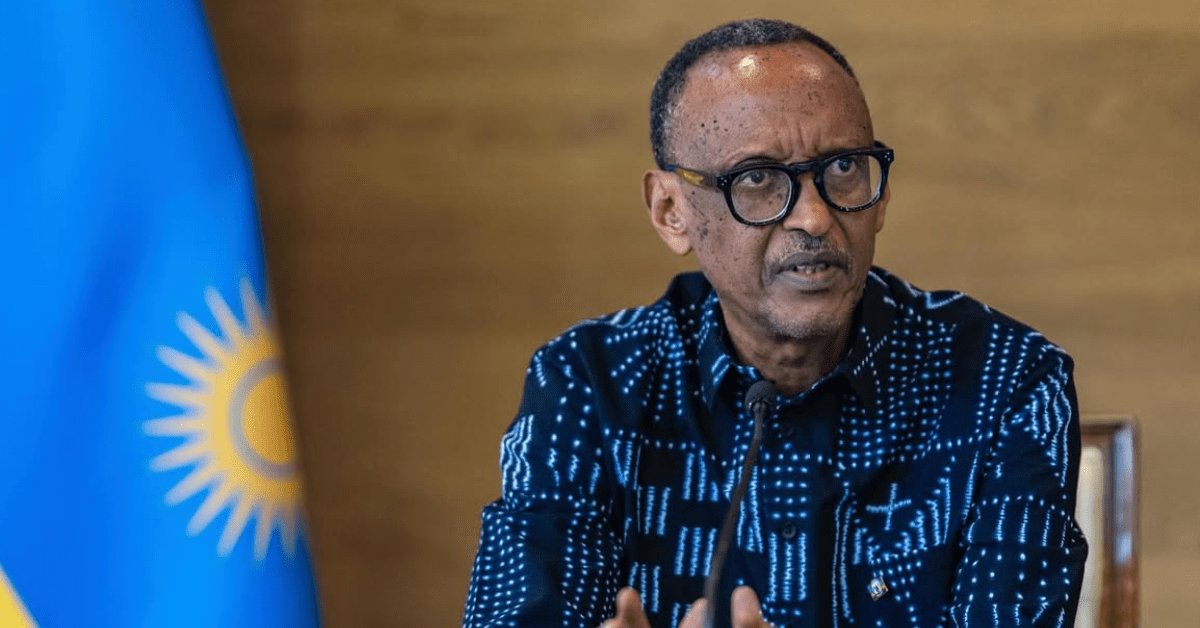
President Paul Kagame, addressing the nation from Kigali, described Rwanda’s post-genocide transformation as both challenging and fulfilling.
“It’s been a very tough but enjoyable journey based on the fact that this is the best thing one can do to be part of the many years of struggle to put things right for our country, for our people.”
He emphasized the resilience and strength that have defined Rwanda’s recovery over the past three decades: “The progress we’ve made speaks volumes, rebuilding national unity and safeguarding our sovereignty. Rwanda is no longer at the mercy of others. What happened before will never be repeated.”
The 1994 Liberation marked the end of one of the darkest chapters in Rwanda’s history, when the Rwandan Patriotic Army (RPA), the military wing of the Rwandan Patriotic Front (RPF), halted the genocide that claimed over one million lives. Since then, the country has become a global example of post-conflict reconciliation, economic revival, and visionary governance.
Rwandan Member of Parliament Frank Habineza shared his reflections with media, stating that Liberation Day is a critical moment to remember the sacrifices made and to inspire current and future generations to build an even stronger Rwanda.
President Kagame’s leadership over the years has been credited with driving national unity, enhancing governance, and fostering economic development. Under his administration, Rwanda has seen significant reductions in poverty, advancements in healthcare and education, and recognition as one of Africa’s fastest-growing economies.