Physical Address
304 North Cardinal St.
Dorchester Center, MA 02124
Physical Address
304 North Cardinal St.
Dorchester Center, MA 02124

Amplifying African Entrepreneurs voices, one story at a time
Amplifying African Entrepreneurs voices, one story at a time
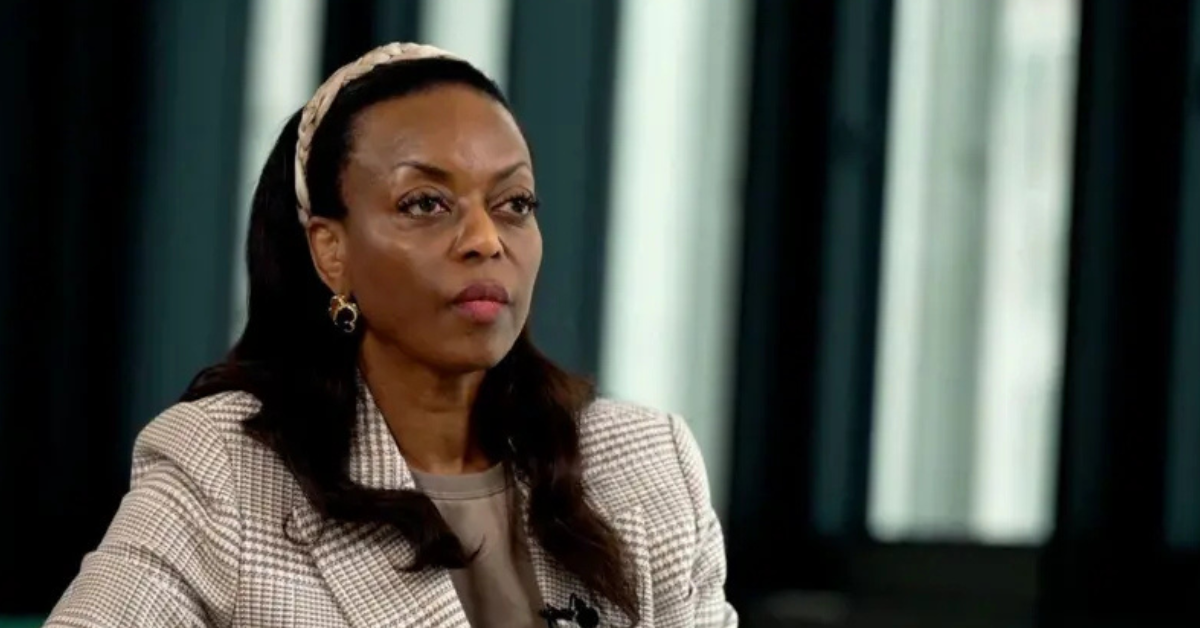
Diezani Alison-Madueke has publicly reflected on one of the most controversial chapters in Nigeria’s political and energy history, describing the corruption allegations against her as a devastating attack on her reputation, integrity, and decades of professional achievement.
Speaking publicly for the first time since her lengthy legal ordeal in the United Kingdom, the former Nigerian Minister of Petroleum Resources said the accusations left lasting emotional and psychological scars. She also suggested that powerful interests within Nigeria’s oil industry opposed her reforms and played a role in the events that followed.
Alison-Madueke remains one of the most prominent female figures in Africa’s energy sector. During her career, she became the first woman to serve as Nigeria’s Minister of Petroleum Resources and later made history as the first female president of the Organization of the Petroleum Exporting Countries (OPEC).
According to her, reaching those milestones required years of determination, resilience, and hard work in a sector traditionally dominated by men. Consequently, she described the allegations that emerged during her tenure as deeply painful.
“So to be the first female of these institutions and break global ceilings for women everywhere, and then have these accusations against me, it was a complete breakdown of my reputation and integrity,” she said.
The former minister explained that the legal proceedings, which stretched over more than a decade, significantly changed her life. Although she attempted to remain strong throughout the process, she said losing personal freedom came with serious emotional consequences.
“When people take your freedom away, regardless of how you try to handle it, it affects you psychologically,” she stated.
Alison-Madueke served as Nigeria’s Minister of Petroleum Resources between 2010 and 2015 under former President Goodluck Jonathan. During that period, she became one of the most influential voices in global energy policy and later chaired OPEC in 2014, a historic achievement that elevated her profile internationally.
However, she believes her rise also created resistance from individuals uncomfortable with women occupying powerful positions in the oil and gas industry.
She argued that she operated within what she described as a highly misogynistic environment and faced opposition from individuals who were unwilling to accept female leadership at the highest levels of the sector.
Beyond gender-related challenges, Alison-Madueke claimed that her efforts to introduce reforms and tackle corruption within the petroleum industry generated enemies among entrenched interests.
“The things I tried to put in place to fight corruption in the oil sector did not go down well with the cabals at all,” she said.
She further suggested that these powerful networks became increasingly hostile as reform efforts gained momentum.
When asked who should bear responsibility for the controversy that surrounded her case, Alison-Madueke avoided placing blame solely on either the Nigerian government or British authorities. Instead, she argued that multiple institutions could have handled aspects of the investigation differently.
She urged Nigerian authorities to review the processes used in handling international legal disputes and encouraged greater scrutiny of information exchanged between countries during such investigations.
At the same time, she expressed disappointment with how British investigators approached parts of the case. According to her, authorities should have spent more time verifying information and assessing evidence from multiple perspectives before proceeding.
Her comments offer a rare glimpse into how one of Africa’s most recognizable energy leaders views the events that transformed her career and public image.
Regardless of public opinion, Alison-Madueke’s story remains closely linked to the evolution of Nigeria’s oil industry and the broader conversation about women breaking barriers in sectors historically dominated by men. Her rise from ministerial appointments in transportation and mining to becoming the first female petroleum minister and OPEC president marked a significant chapter in African leadership history.
Today, years after the allegations first emerged, she says the experience continues to shape her life. Yet she maintains that the achievements she recorded for women in global energy leadership should not be overshadowed by controversy.
As debates around governance, transparency, and leadership in Africa’s energy sector continue, Alison-Madueke’s remarks are likely to reignite conversations about accountability, gender barriers, political influence, and the future of reform within one of the continent’s most strategic industries.