Physical Address
304 North Cardinal St.
Dorchester Center, MA 02124
Physical Address
304 North Cardinal St.
Dorchester Center, MA 02124

Amplifying African Entrepreneurs voices, one story at a time
Amplifying African Entrepreneurs voices, one story at a time
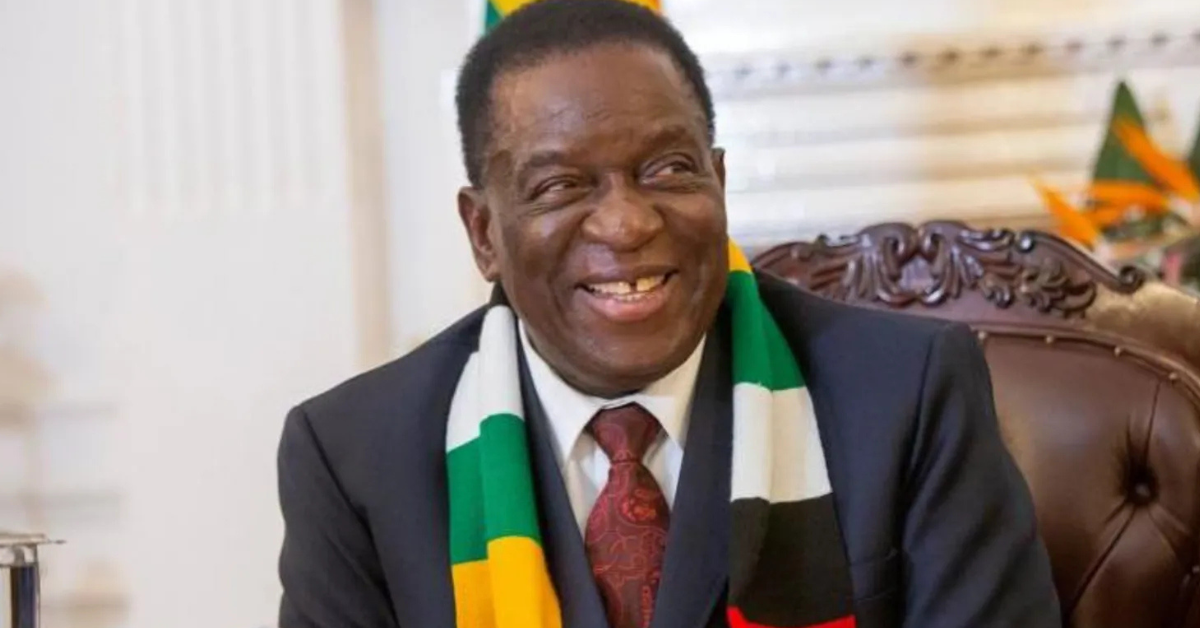
Zimbabwe’s political landscape has entered a new chapter after lawmakers approved a constitutional amendment that could extend President Emmerson Mnangagwa’s time in office until 2030.
More than 200 members of Zimbabwe’s lower house voted in favour of the proposed legislation on Thursday, passing the two-thirds majority required to amend the country’s constitution. The vote recorded 216 supporters and 42 opponents.
The proposed changes would increase presidential and parliamentary terms from five years to seven years. They would also remove direct presidential elections, giving parliament the power to select future presidents.
The bill now moves to the Senate, where it is expected to receive approval before reaching President Mnangagwa for final enactment.
The move represents a major political development for Zimbabwe, a country that has experienced decades of leadership changes, economic struggles and debates over democratic reforms.
Mnangagwa, 83, became president in 2017 after the military-backed removal of longtime leader Robert Mugabe. He later won elections in 2018 and 2023, although opposition groups challenged the credibility of both contests.
Under the proposed amendment, Zimbabwe’s 2028 elections would shift to 2030. The changes would also allow Mnangagwa, whose current constitutional term is scheduled to end in 2028, to remain in power for an additional two years.
Supporters of the bill argue that the reforms would provide political stability and continuity. However, opposition parties, civil society organisations and constitutional experts have raised concerns about democratic accountability.
Critics say changes affecting presidential term limits should go directly to citizens through a national referendum. They point to Zimbabwe’s 2013 constitution, which introduced a two-term limit for presidents and required voter approval for major changes involving term extensions.
The debate comes as Zimbabwe continues to face economic challenges, including currency instability, inflation pressures and concerns about governance. Mnangagwa initially presented himself as a leader focused on political and economic transformation after taking over from Mugabe, but his administration has faced criticism over elections, human rights concerns and democratic reforms.
The ruling Zanu-PF party, which has governed Zimbabwe since independence in 1980, has defended the constitutional process. Meanwhile, opponents argue that extending presidential terms could weaken checks and balances.
Zimbabwe’s Constitutional Court recently dismissed a legal challenge attempting to block the amendment process, clearing the way for parliamentary debate and voting.
As the bill moves forward, Zimbabwe’s political future remains a major focus across Africa, with analysts watching how the constitutional changes could reshape leadership succession, elections and democratic institutions.