Physical Address
304 North Cardinal St.
Dorchester Center, MA 02124
Physical Address
304 North Cardinal St.
Dorchester Center, MA 02124

Amplifying African Entrepreneurs voices, one story at a time
Amplifying African Entrepreneurs voices, one story at a time
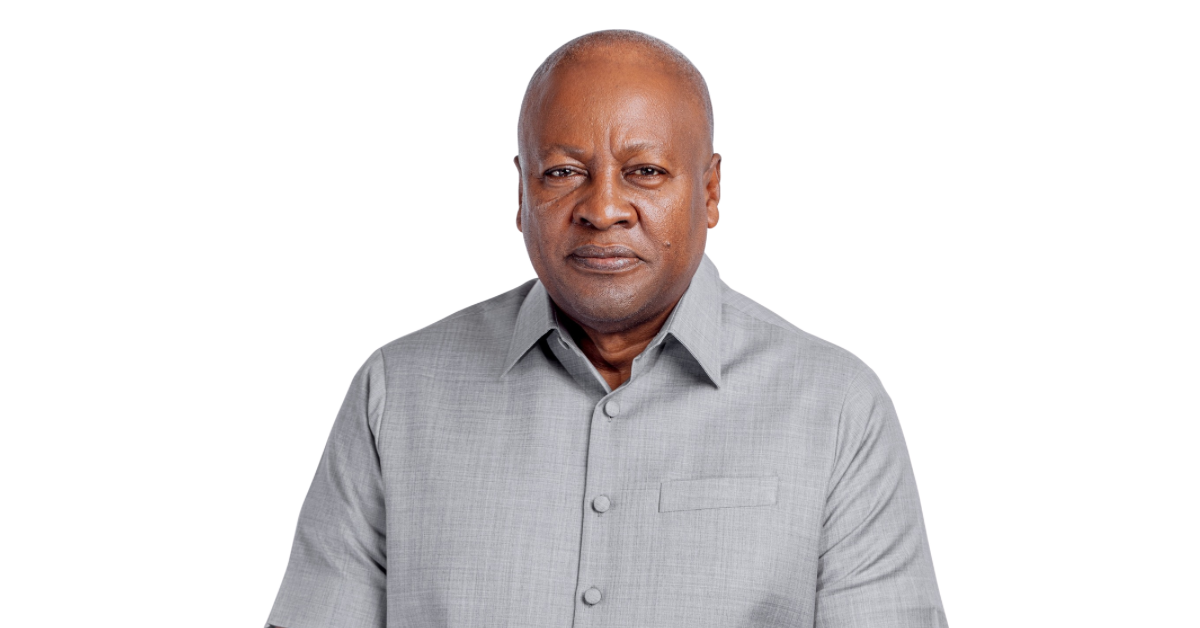
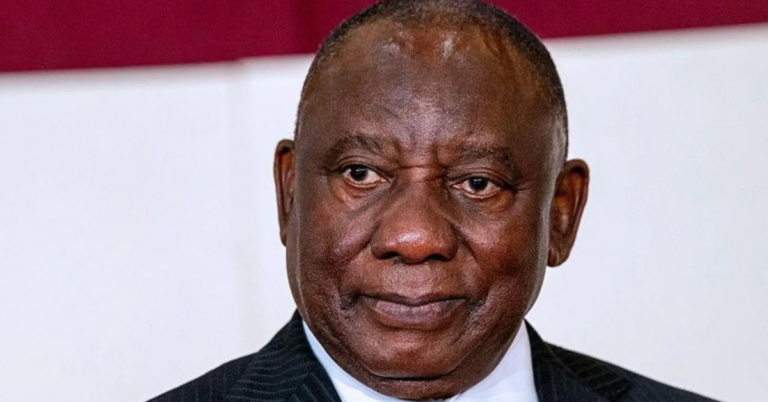
President John Mahama has called for stronger action from South African authorities over recurring xenophobic attacks, warning that the violence risks undermining decades of work toward African unity, economic integration, and regional cooperation.
Speaking on the issue, Mahama questioned whether South Africa’s response reflects the scale of the crisis, arguing that those responsible for organizing and funding attacks have continued to operate without meaningful consequences.
“It does not appear that the South African authorities are responding to the magnitude that one would expect,” Mahama said. “The persons who are funding these xenophobic attacks are known, and they have been left free to continue what they are doing with impunity.”
The Ghanaian leader described the attacks as deeply traumatic for affected countries, emphasizing that the violence extends far beyond individual victims and carries significant economic and diplomatic consequences.
According to Mahama, Ghana lost two citizens during the attacks, while several others sustained injuries that required hospital treatment. Businesses owned by Ghanaians were shut down, properties were destroyed, and hundreds of people were forced to flee their homes.
The humanitarian and financial impact has also placed considerable pressure on Ghana’s government.
Mahama revealed that Ghana chartered three evacuation flights to bring stranded citizens home and planned an additional three flights as nearly 900 more Ghanaians voluntarily registered to return.
Many of those returning, he said, have lost everything.
“Most of them came back with nothing, just the clothes on their backs and a small bag,” he said.
Some had lived in South Africa for 15 to 20 years, building businesses and livelihoods before violence forced them to abandon everything.
Mahama added that Ghana has been providing reintegration allowances to help returning citizens rebuild their lives after losing years of investment and economic opportunity.Beyond the immediate humanitarian crisis, Mahama warned that xenophobic violence threatens the broader vision of continental integration championed by the African Union and the African Continental Free Trade Area.
He urged the African Union to treat the issue as a continental priority rather than an isolated national concern.This has the potential to wreck everything we have worked for, African solidarity and African integration,” he said.
Mahama stressed that Ghana’s concerns should not be interpreted as hostility toward South Africa but as an opportunity for constructive dialogue.He said the African Union should provide South Africa with a platform to explain the measures it is taking while encouraging greater accountability and cooperation among member states.
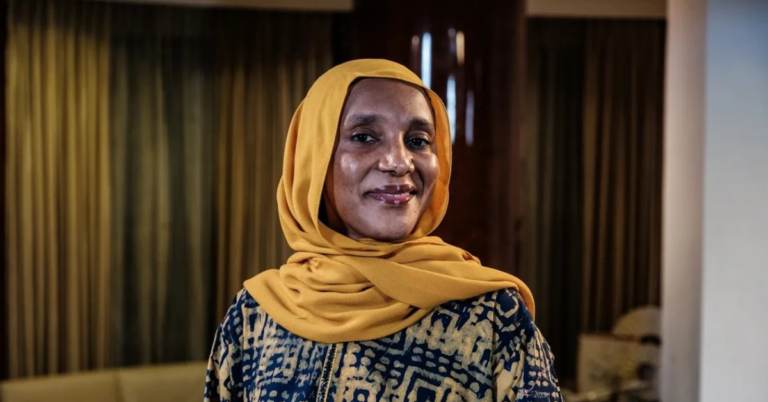
Responding to the concerns, the African Union Commission Chairperson acknowledged that the situation in South Africa remains a major source of concern for the Commission.The Chairperson reiterated that illegal immigration should be handled strictly through established legal processes rather than through violence or intimidation by civilians.
While recognizing the responsibility of governments to enforce immigration laws, the Chairperson condemned attacks targeting African migrants and questioned why individuals involved in harassment continue to operate freely.
The Chairperson also highlighted the emotional toll of the crisis, referencing the widely reported case of a Mozambican woman who destroyed her own shop after fearing it would be looted by attackers.
After spending two decades building her business, she chose to dismantle it herself rather than watch it be taken away.The incident, according to the Chairperson, illustrates the devastating human cost of xenophobic violence across the continent.
The African Union reaffirmed that it will continue addressing the issue and pledged not to remain silent as attacks against African citizens persist.
For Africa’s business community, the crisis raises wider concerns about investor confidence, cross border entrepreneurship, labour mobility, and the long term success of regional economic integration. As African economies become increasingly interconnected, leaders argue that protecting the rights and safety of citizens working across the continent is essential to achieving sustainable growth and realizing the promise of a truly integrated African market.