Physical Address
304 North Cardinal St.
Dorchester Center, MA 02124
Physical Address
304 North Cardinal St.
Dorchester Center, MA 02124

Amplifying African Entrepreneurs voices, one story at a time
Amplifying African Entrepreneurs voices, one story at a time
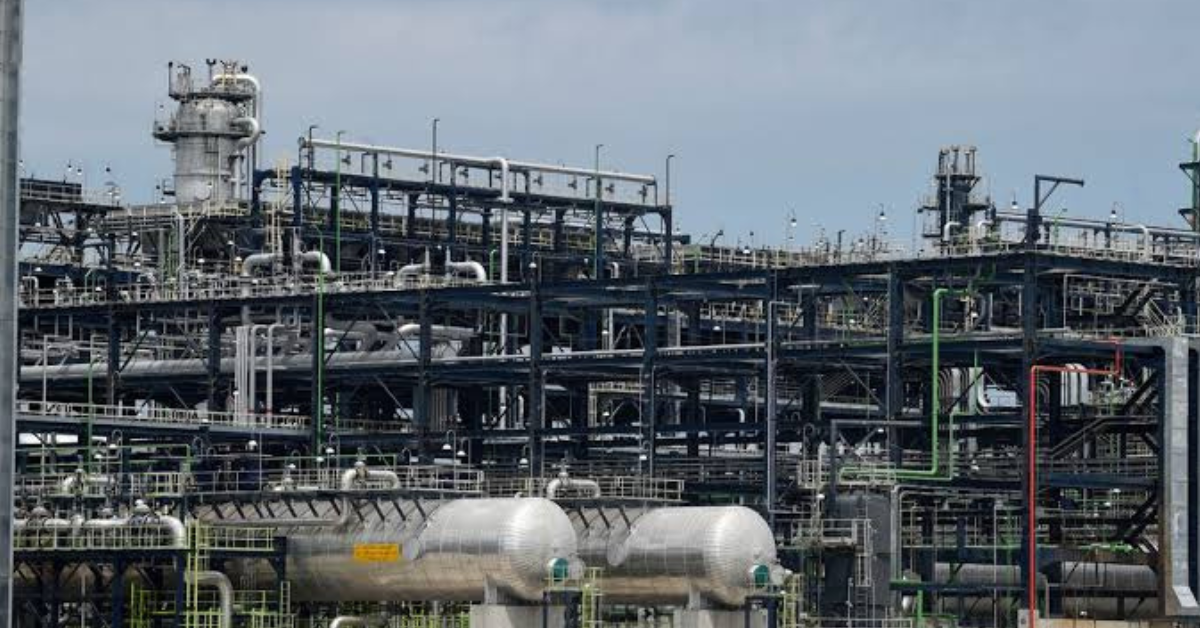
Nigeria has entered a historic phase as it becomes a net exporter of petrol for the first time in decades, marking a major turnaround for Africa’s largest oil producer. For years, the country depended heavily on imported fuel despite vast crude reserves. Now, that narrative is changing fast.
In March 2026, Nigeria recorded a net surplus in petrol exports, driven largely by increased production from the Dangote Petroleum Refinery. Data from global energy intelligence firm Kpler shows the country exported about 44,000 barrels per day of petrol, slightly surpassing imports and leaving a net export balance of roughly 3,000 barrels per day.
This milestone signals more than just improved output. It reflects a structural shift in Nigeria’s oil and gas sector, which has long struggled with inefficient state refineries and high import bills. As a result, the economy previously faced constant pressure on foreign exchange and vulnerability to global fuel supply shocks.
However, momentum is building quickly. Crude supply to the 650,000 barrels-per-day Dangote refinery climbed to approximately 565,000 barrels per day in March, one of its highest levels since operations began in late 2023. At the same time, petrol imports dropped sharply to around 41,000 barrels per day, the lowest level ever recorded.
Consequently, local refining is replacing imports at a rapid pace. This shift is not only strengthening domestic supply but also positioning Nigeria as a key fuel supplier within Africa. In fact, the refinery recently exported a 317,000-barrel cargo of petrol to Mozambique, marking its first delivery to East Africa. Another shipment is expected to follow in April, reinforcing Nigeria’s growing presence in regional markets.
Meanwhile, changes in global supply dynamics are creating new opportunities. East African nations, traditionally dependent on Middle Eastern fuel imports, are now diversifying sources due to ongoing shipping disruptions and supply risks. Nigeria is stepping in to fill that gap.
For the Nigerian economy, the benefits could be substantial. Petrol exports are expected to boost foreign exchange earnings while reducing demand for dollars previously used for imports. This shift could help stabilise the naira, which has faced persistent pressure in recent years. Additionally, stronger domestic refining enhances energy security and reduces exposure to external shocks.
On the global stage, Nigeria’s entry into the petrol export market may intensify competition, particularly in Europe where supply remains high. Nevertheless, analysts believe the country’s strategic location and growing capacity could offer a competitive edge.
Importantly, this development highlights a deeper transformation. Nigeria is gradually moving away from exporting crude oil and importing refined products toward processing its resources domestically. This goal has remained elusive for decades, yet the Dangote refinery now appears to be turning ambition into reality.
The refinery’s impact extends beyond production. Its scale and efficiency are reshaping expectations for Nigeria’s downstream sector, with potential gains in industrial growth, trade balance, and fiscal stability. Furthermore, its owner, billionaire industrialist Aliko Dangote, is planning a multi-exchange listing across Africa. If successful, the move could become the continent’s first pan-African initial public offering and attract cross-border investment.
Although challenges such as regulatory alignment and currency stability remain, the progress achieved so far signals a promising future. Nigeria’s transition into a petrol-exporting nation underscores a broader shift toward self-sufficiency and regional influence.
Ultimately, this milestone offers the clearest evidence yet that Nigeria’s long-troubled downstream oil sector is entering a new era. One defined not by scarcity and dependence, but by capacity, resilience, and growing leadership in Africa’s energy landscape.