Physical Address
304 North Cardinal St.
Dorchester Center, MA 02124
Physical Address
304 North Cardinal St.
Dorchester Center, MA 02124

Amplifying African Entrepreneurs voices, one story at a time
Amplifying African Entrepreneurs voices, one story at a time
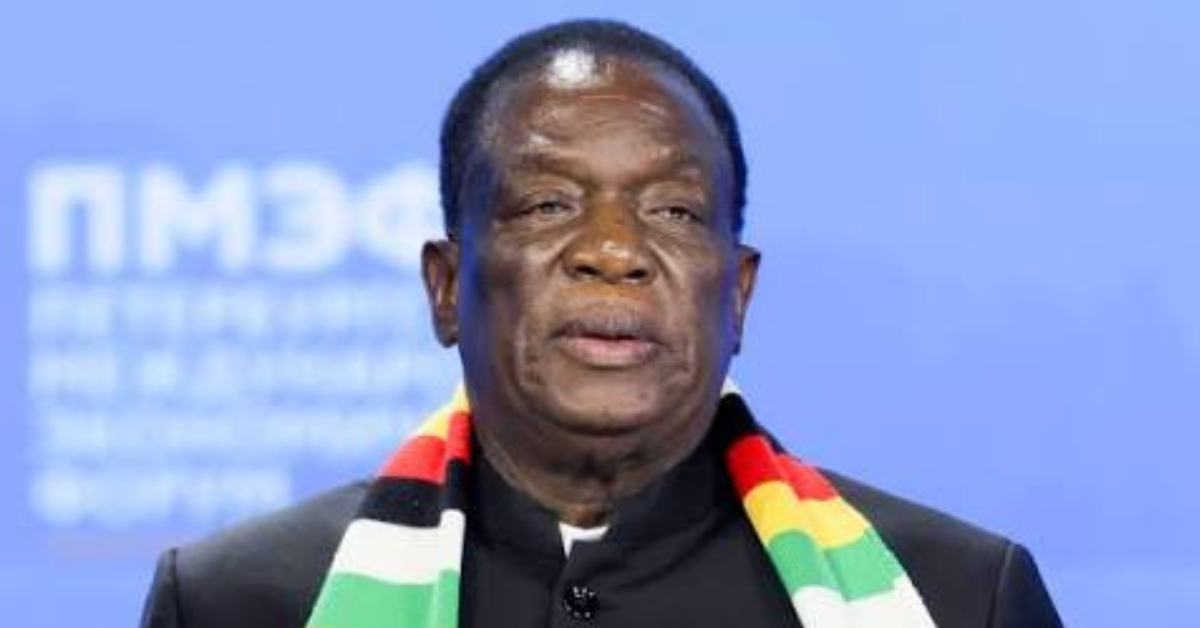
Zimbabwe’s economy expanded strongly in 2025 and recorded a 7.5 per cent growth rate, according to new figures from the International Monetary Fund. The country outperformed earlier expectations and signaled a firmer recovery path. Economic activity strengthened across key sectors, and investor sentiment improved during the year.
The IMF data, published in the World Economic Outlook, shows that Zimbabwe exceeded its official projection of 6.6 per cent. Finance Minister Mthuli Ncube confirmed the stronger performance and linked it to broad-based sectoral gains. He emphasized that reforms helped stabilize key economic indicators and supported faster revenue growth.
Mining played a central role in the expansion. Gold production increased as global prices stayed high, and output from platinum and lithium also recovered. These commodities pushed export earnings higher and strengthened foreign currency inflows. As a result, the sector delivered one of the strongest contributions to national growth.
Fiscal reforms also supported the recovery. The government rolled out a digital tax system, and this move improved efficiency in revenue collection. Tax compliance increased, and public finances gained stability. Consequently, government revenue exceeded targets by 24 per cent in the first quarter of 2026, showing continued momentum.
Agriculture also supported the wider economy, and strong harvests helped sustain rural incomes. Manufacturing, energy, and tourism benefited from improved supply chains and rising confidence. In addition, stronger fiscal discipline helped maintain public investment programs and social support systems.
However, the IMF projects slower growth ahead. It forecasts 5.0 per cent growth in 2026 and 4.2 per cent in 2027. Even so, authorities remain optimistic about long-term stability. They believe ongoing reforms and export strength will continue to support resilience.
The improved economic performance has also strengthened investor confidence. Analysts expect Zimbabwe’s global financial outlook to improve as macroeconomic stability increases. International partners continue to monitor reform progress closely.