Physical Address
304 North Cardinal St.
Dorchester Center, MA 02124
Physical Address
304 North Cardinal St.
Dorchester Center, MA 02124

Amplifying African Entrepreneurs voices, one story at a time
Amplifying African Entrepreneurs voices, one story at a time
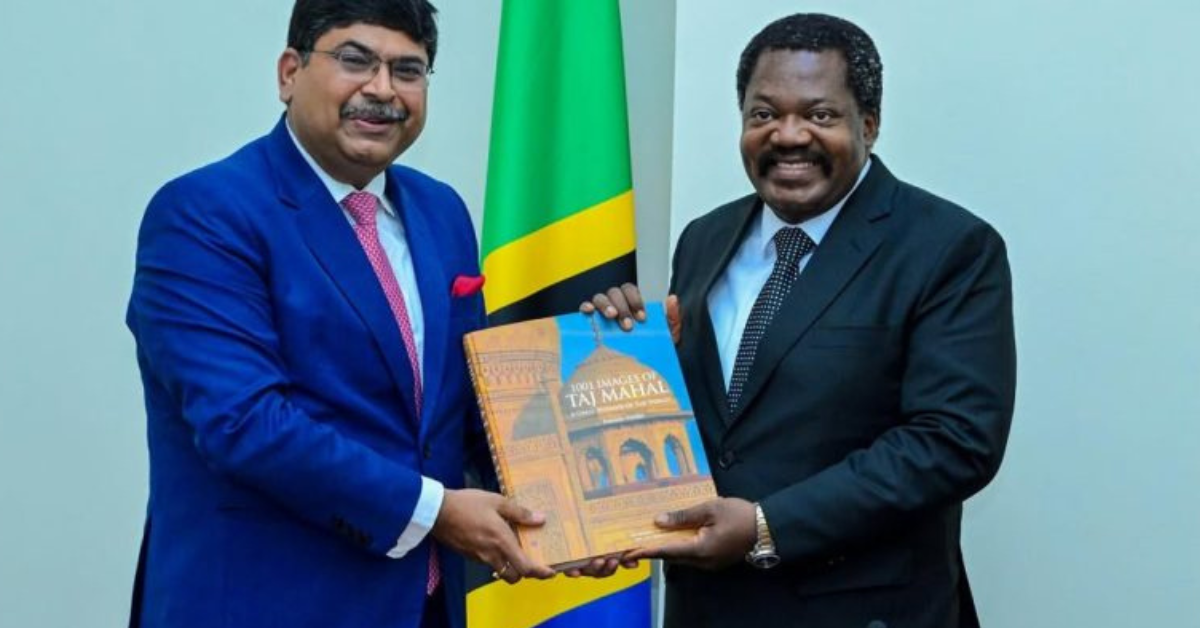
Tanzania–India trade has surged to 8.6 billion US dollars (21.5tri/-), up sharply from 2.3 billion US dollars (5.75tri/-) in 2020/2021, marking one of the fastest expansions in Tanzania’s bilateral trade relations in recent years. The figures emerged during high-level meetings in Dar es Salaam attended by Finance Minister Ambassador Khamis Mussa Omar, Vice-President Dr Emmanuel Nchimbi, and India’s High Commissioner to Tanzania, Mr Bishwadip Dey.
At the Ministry of Finance sub-office, Ambassador Omar described the growing economic partnership as a key pillar of Tanzania’s long-term development plans under the National Development Vision 2050. “Our relationship began long before formal diplomatic ties, when traders connected across the Indian Ocean,” he said. “Today, we cooperate across diplomacy, trade, and social development.”
India ranks among Tanzania’s leading global trade partners. Tanzania exports cashew nuts, pulses, cotton, cloves, tea, leather, and timber, while India supplies machinery, chemicals, medicines, and industrial goods. Mr Dey confirmed that the next phase of cooperation will focus on direct investment in manufacturing, targeting medical equipment production, transport equipment manufacturing, and agro-processing industries. Indian investors have already launched ventures in agriculture, steel manufacturing, and other productive sectors, generating employment and supporting industrial growth.
Beyond trade, India has supported Tanzania’s development in water and health infrastructure through equipment supply, technical training, and healthcare services. In education, an institute in Zanzibar provides training in Data Science and Artificial Intelligence, offering short- and long-term programmes for Tanzanian and regional students.
Vice-President Dr Nchimbi also met the Indian High Commissioner at State House in Dar es Salaam to discuss strengthening cooperation in health, water, education, trade, investment, defence, and security. Tanzania and India established diplomatic relations shortly after independence, with India opening its embassy in 1961 and Tanzania establishing its mission in 1962. Relations strengthened following President Samia Suluhu Hassan’s official visit to India in 2023, boosting bilateral collaboration across multiple sectors.
In parallel engagements, Ambassador Omar met the United Kingdom’s Ambassador to Tanzania, Marianne Young, and Sweden’s Ambassador, Charlotta Ozaki Macias, to review development partnerships and ongoing cooperation. He emphasised that Tanzania remains committed to transparency, accountability, and mutually beneficial collaboration while leveraging international partnerships to accelerate projects that improve citizens’ livelihoods.
Meanwhile, Permanent Secretary Dr Natu El-Maamry Mwamba held talks with South Korea’s Ambassador Eunje Ahn, expressing gratitude for concessional loans and grants that supported infrastructure and national development initiatives. Ambassador Ahn confirmed South Korea will continue collaborating with Tanzania on strategic projects that advance social and economic growth.
Although trade growth remains impressive, Tanzania now aims to deepen industrial collaboration, aligning with Vision 2050 goals. The country’s focus on manufacturing, value addition, and investment-led growth positions it as a rising trade and industrial hub in East Africa, leveraging long-standing diplomatic ties to unlock sustainable development and economic transformation.