Physical Address
304 North Cardinal St.
Dorchester Center, MA 02124
Physical Address
304 North Cardinal St.
Dorchester Center, MA 02124

Amplifying African Entrepreneurs voices, one story at a time
Amplifying African Entrepreneurs voices, one story at a time
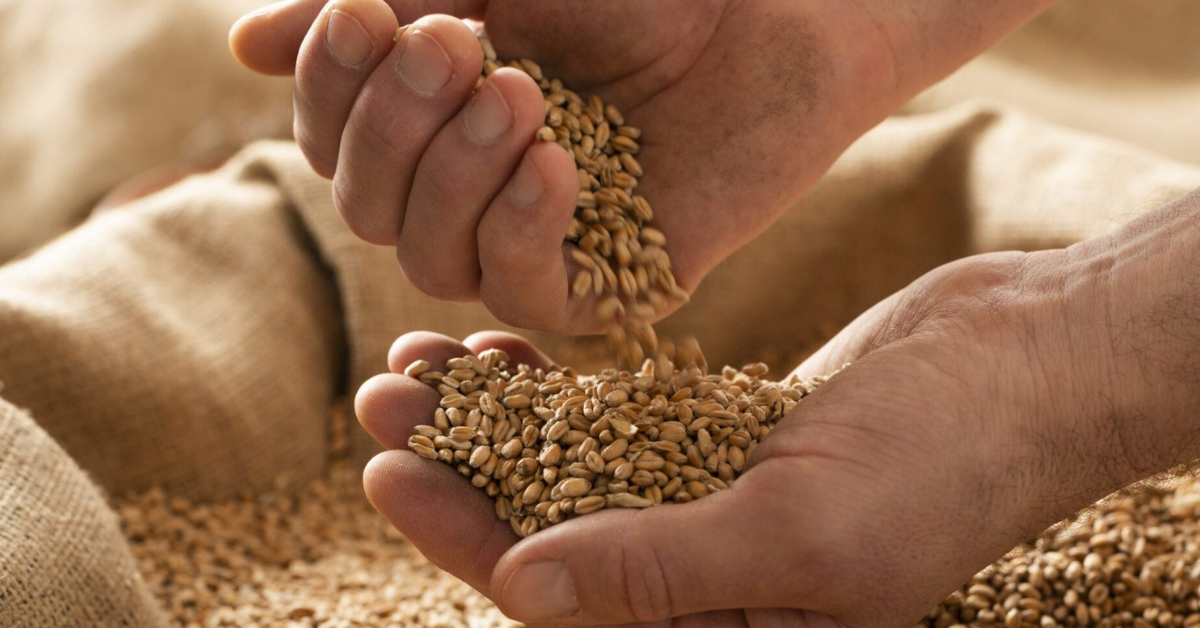
Namibia’s agriculture sector has recorded a dramatic turnaround, with grain production soaring by 375.9% in the fourth quarter of 2025. The surge was largely driven by an extraordinary increase in wheat output, according to fresh data released by the Namibia Statistics Agency (NSA).
The country produced 22,643 tonnes of controlled agronomy crops—white maize, pearl millet, and wheat—between October and December 2025. In contrast, production stood at just 4,758 tonnes during the same period in 2024. This sharp rise signals a strong recovery in domestic food production.
NSA Statistician-General Alex Shimuafeni attributed the growth to a remarkable expansion in wheat farming. Wheat production alone jumped by 1,057.6%, making it the primary driver behind the overall increase.
Moreover, the data highlights a broader economic impact. As local production strengthened, Namibia significantly reduced its reliance on imported agronomy products. The import bill dropped to N$488 million in Q4 2025, down from N$863 million recorded a year earlier.
At the same time, export earnings from agronomy products declined. Namibia recorded N$175,500 in exports, compared to N$855,200 in Q4 2024. Although exports fell by 79.5%, maize accounted for nearly all export revenue, contributing 99.9% of total earnings.
Regionally, Namibia exported most of its cereal grains to South Africa and Angola. South Africa received 76.5% of exports, while Angola accounted for 23.4%. These trade flows continue to reflect Namibia’s strategic position within the Southern African food market.
Meanwhile, production levels varied across key crops. Wheat dominated output with 21,058 tonnes, followed by white maize at 1,059 tonnes and pearl millet at 526 tonnes. This distribution underscores wheat’s growing importance in Namibia’s agricultural landscape.
Beyond crops, the fishing sector also delivered strong performance. Namibia earned N$2.9 billion from fish exports in Q4 2025, improving from N$2.6 billion in the same quarter of 2024. This growth reinforces the sector’s role as a major foreign exchange earner.
However, fish imports increased slightly. The import bill rose to N$136.9 million, compared to N$100.4 million recorded a year earlier. Despite this increase, the country maintains a strong trade surplus in fisheries.
Notably, Namibia’s fish exports remain globally competitive. Spain continues to serve as the leading market for frozen hake fillets, while Zambia and South Africa dominate as key buyers of horse mackerel.
The fishing industry, centered in Walvis Bay, plays a critical role in sustaining Namibia’s trade balance. It consistently supports employment, food supply, and industrial growth across the economy.
Overall, the latest NSA bulletin confirms that agriculture, forestry, and fishing remain central to Namibia’s development strategy. These sectors not only drive economic growth but also strengthen food security and create jobs.
Looking ahead, analysts expect sustained investment in wheat production and fisheries to further reduce import dependence. If current trends continue, Namibia could solidify its position as a regional agricultural powerhouse.