Physical Address
304 North Cardinal St.
Dorchester Center, MA 02124
Physical Address
304 North Cardinal St.
Dorchester Center, MA 02124

Amplifying African Entrepreneurs voices, one story at a time
Amplifying African Entrepreneurs voices, one story at a time
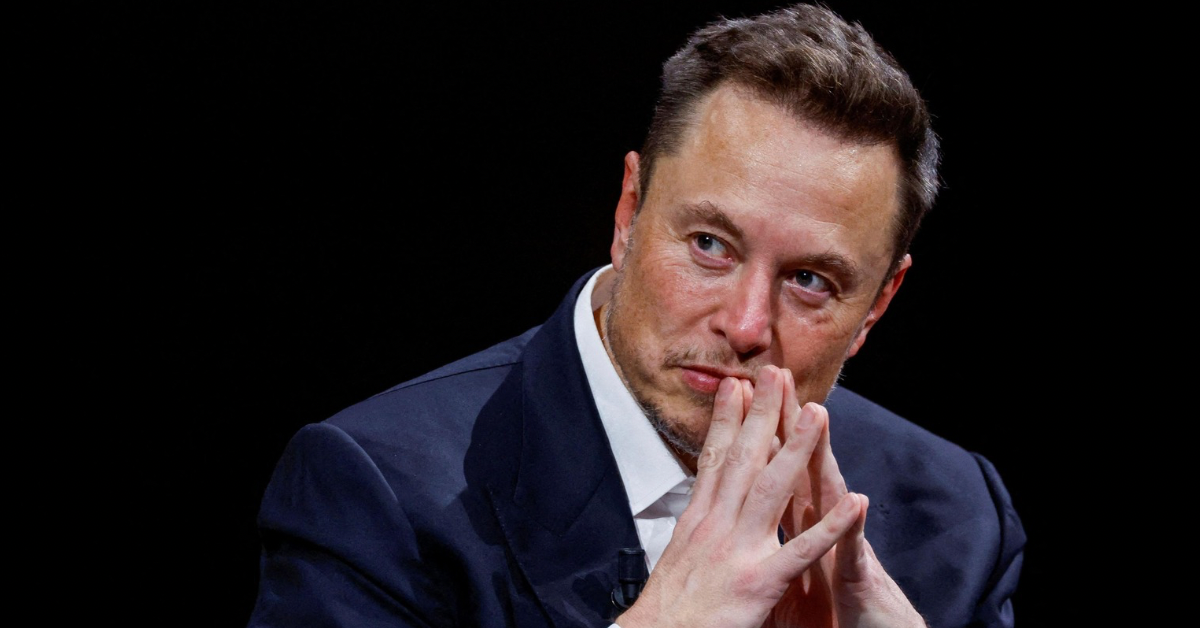
Elon Musk has sparked global conversation after publicly criticizing South Africa’s regulatory stance on Starlink, placing the country’s empowerment policies at the center of a growing debate on digital access and economic inclusion.
The SpaceX and Tesla CEO claimed that Starlink has not received approval to operate in South Africa due to Black Economic Empowerment requirements, adding that his company refused to comply through what he described as unethical means. His remarks quickly gained traction online, drawing mixed reactions from policymakers, industry leaders, and the global tech community.
South Africa introduced Broad-Based Black Economic Empowerment, widely known as B-BBEE, to address deep economic inequalities created during apartheid. The policy encourages companies to include Black ownership and participation in key sectors of the economy. In industries such as telecommunications, regulators often expect foreign companies to align with these requirements before securing operating licenses.
Elon Musk’s criticism has intensified scrutiny around how these policies affect global technology companies seeking entry into Africa’s most industrialized economy. While some observers support his call for what he describes as fair access, others argue that the policy remains necessary to ensure inclusive growth and economic redress.
Starlink, a satellite internet service developed by SpaceX, has expanded rapidly across Africa and currently operates in more than 20 countries. The platform has improved connectivity in underserved regions by delivering high-speed internet without relying on traditional infrastructure. This expansion has strengthened digital access in rural communities, enabling progress in education, healthcare, and small business growth.
In South Africa, however, Starlink’s rollout remains uncertain. The delay has raised concerns among analysts who believe the country risks missing out on accelerated digital transformation. Improved connectivity could unlock new opportunities for millions of people, particularly in remote areas where reliable internet access remains limited.
At the same time, policy advocates maintain that transformation frameworks like B-BBEE play a critical role in shaping a more equitable economy. They argue that foreign investment must align with national development goals, especially in a country still addressing historical disparities.
The situation reflects a broader challenge facing African economies as they balance inclusion with innovation. Governments continue to navigate how best to attract global technology while ensuring that local populations benefit meaningfully from economic participation.
In his words;
South Africa won’t allow Starlink to be licensed, even though I was BORN THERE, simply because I am not Black!
We were offered many times the opportunity to bribe our way to a license by pretending that a Black guy runs Starlink SA, but I have refused to do so on principle.
Racism should not be rewarded no matter to which race it is applied.
Shame on the racist politicians in South Africa. They should be shown no respect whatsoever anywhere in the world and shunned for being unashamedly RACISTS!
His comments have elevated the issue to a global stage, prompting renewed focus on how regulation influences Africa’s digital future. As conversations continue, the outcome could shape not only Starlink’s entry into South Africa but also how other international technology firms approach the continent’s largest markets.
For now, the standoff highlights a critical question for Africa’s growth trajectory: how to expand access to transformative technologies while maintaining policies designed to drive long-term inclusion and economic balance.