Physical Address
304 North Cardinal St.
Dorchester Center, MA 02124
Physical Address
304 North Cardinal St.
Dorchester Center, MA 02124

Amplifying African Entrepreneurs voices, one story at a time
Amplifying African Entrepreneurs voices, one story at a time
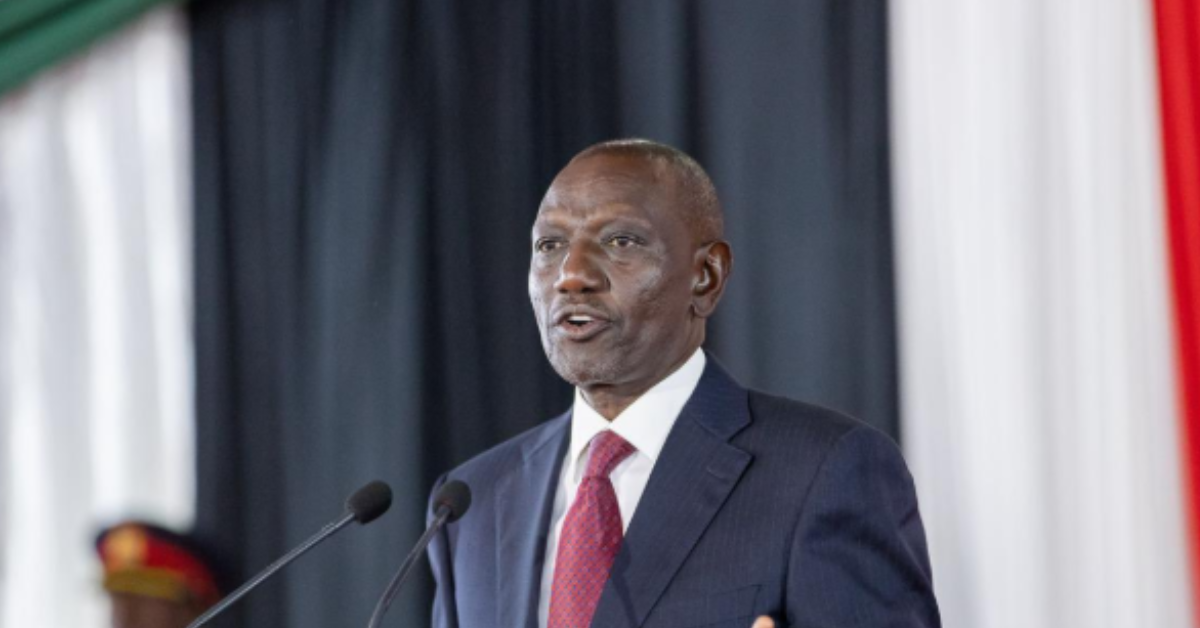
President William Ruto has declared that Kenya and its regional partners will move ahead with plans to establish a major oil refinery alongside Nigerian billionaire Aliko Dangote, despite mounting opposition from powerful interests that benefit from fuel imports into East Africa.
Speaking during the Annual National Prayer Breakfast on Thursday, Ruto revealed that discussions with Dangote exposed growing resistance from fuel suppliers who currently dominate the region’s petroleum market.
According to the Kenyan leader, vested interests are working to preserve the status quo because they profit from importing fuel into East Africa.
However, he insisted that governments must pursue transformative projects that strengthen long-term economic growth and energy independence.
“I had a chat with Mr Dangote yesterday, and he was telling me how much resistance has been built by the people we are buying fuel from now because they want to continue buying their fuel,” Ruto said.
The president argued that difficult decisions are often necessary when pursuing national development goals.
While some reforms may require short-term sacrifices, he believes strategic investments will deliver lasting benefits for future generations.
The proposed refinery forms part of a broader regional strategy aimed at reducing dependence on imported petroleum products while improving fuel security across East Africa.
Ruto disclosed that construction plans are already progressing and that work on the refinery is expected to begin this year.
His administration had previously dispatched a technical team across the continent to study successful refinery models and energy infrastructure projects.
During that process, officials closely examined Dangote’s refinery operation in Nigeria, which has emerged as one of Africa’s most ambitious industrial investments.
The findings encouraged Ruto to engage regional leaders, including Ugandan President Yoweri Museveni, in discussions about a joint refinery initiative.
“When I sent my team about six months ago to look around, they came across Aliko Dangote and what he is doing.
They came back to me and I reached out to President Museveni. I have reached out to colleagues in this region and we have agreed,” Ruto said.
Momentum for the project accelerated after Dangote publicly offered to replicate his Nigerian refinery model in East Africa during the Africa We Build Summit held in Nairobi in April.
Addressing regional leaders and business executives, Aliko Dangote pledged to construct a refinery capable of processing 650,000 barrels of crude oil per day if East African governments provided the necessary support.
“Even now, I can give commitment to the two presidents who are here; if they will support the refinery, we will build an identical one to the one we have in Nigeria, 650,000 barrels per day,” Dangote said.
The Nigerian entrepreneur estimated that the facility could be completed within four to five years, potentially transforming East Africa’s energy landscape and reducing the region’s reliance on imported refined fuels.
Dangote has consistently argued that Africa possesses the capital, resources, talent and market demand needed to finance large-scale industrial projects without excessive dependence on foreign investors.
He also criticized the continent’s long-standing economic model of exporting raw materials while importing higher-value finished products.
“We are a continent of imports. We export raw materials, which means we export jobs, and when we import, we import poverty,” he said.
The proposal aligns closely with Ruto’s vision of boosting local manufacturing, industrial processing and value addition across Africa.
Both leaders argue that refining crude oil within the continent would create jobs, strengthen supply chains and keep more economic value within African economies.
Dangote’s flagship refinery in Lagos currently processes up to 650,000 barrels of oil per day, making it one of the largest refineries in the world.
Its rapid rise has already begun reshaping fuel trade flows across Africa and reducing dependence on imported petroleum products.
If implemented, the East African refinery could become one of the continent’s most significant energy infrastructure projects.
It would also deepen economic cooperation between Kenya, Uganda and neighboring countries while improving long-term fuel supply stability.
Despite resistance from fuel import lobbies, Ruto’s latest remarks signal that East African leaders view the refinery as a strategic investment capable of accelerating industrialization, strengthening energy security and advancing Africa’s push toward greater economic self-reliance.