Physical Address
304 North Cardinal St.
Dorchester Center, MA 02124
Physical Address
304 North Cardinal St.
Dorchester Center, MA 02124

Amplifying African Entrepreneurs voices, one story at a time
Amplifying African Entrepreneurs voices, one story at a time
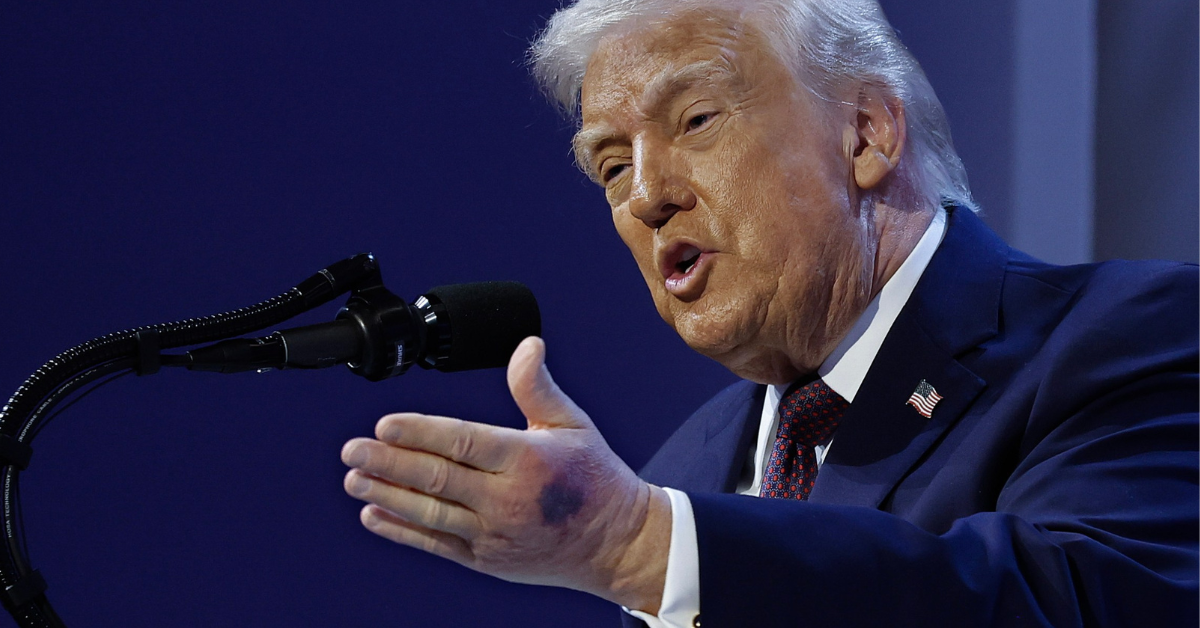
The United States will begin a sweeping blockade of Iranian ports on Monday, marking a sharp escalation in tensions between Washington and Tehran and sending shockwaves through global energy markets.
US military officials confirmed that operations will start at 10:00 ET (14:00 GMT), targeting vessels entering and leaving Iranian ports. However, authorities emphasized that ships transiting the Strait of Hormuz to and from non-Iranian destinations will continue to move freely.
President Donald Trump took a hardline stance, stating he does not care whether Iran returns to negotiations. He blamed Tehran for the collapse of recent peace talks in Pakistan, insisting the country refused to abandon its nuclear ambitions.
Meanwhile, Iranian authorities issued strong warnings. The Revolutionary Guard declared that any foreign military vessels approaching key shipping routes would face severe consequences. In addition, Iran’s parliament leadership stressed that the country would not surrender under threats or pressure.
Diplomatic tensions deepened further after Iran’s foreign minister revealed that both sides came close to reaching an agreement during talks in Pakistan. However, he accused the United States of introducing last-minute demands and shifting negotiation terms.
The Strait of Hormuz remains at the center of the crisis. This narrow but critical waterway handles nearly 20% of global oil and liquefied natural gas shipments. As a result, any disruption instantly affects global supply chains and energy prices.
Oil markets have already reacted sharply. Prices climbed above $100 per barrel as traders responded to fears of supply disruptions and a broader regional conflict. Consequently, economists warn that prolonged instability could trigger inflation spikes and slow global economic growth.
Reports also suggest that the US may consider additional military actions, including possible airstrikes on Iranian targets. Although the White House has not confirmed specific plans, officials maintain that all options remain on the table.
The unfolding situation presents complex challenges for global leaders. While the US aims to pressure Iran into abandoning its nuclear ambitions, the risk of military confrontation continues to grow. At the same time, energy markets and international trade face increasing uncertainty.
As tensions escalate, the world watches closely. The coming days will determine whether diplomacy can recover or if the standoff will deepen into a broader geopolitical crisis.