Physical Address
304 North Cardinal St.
Dorchester Center, MA 02124
Physical Address
304 North Cardinal St.
Dorchester Center, MA 02124

Amplifying African Entrepreneurs voices, one story at a time
Amplifying African Entrepreneurs voices, one story at a time
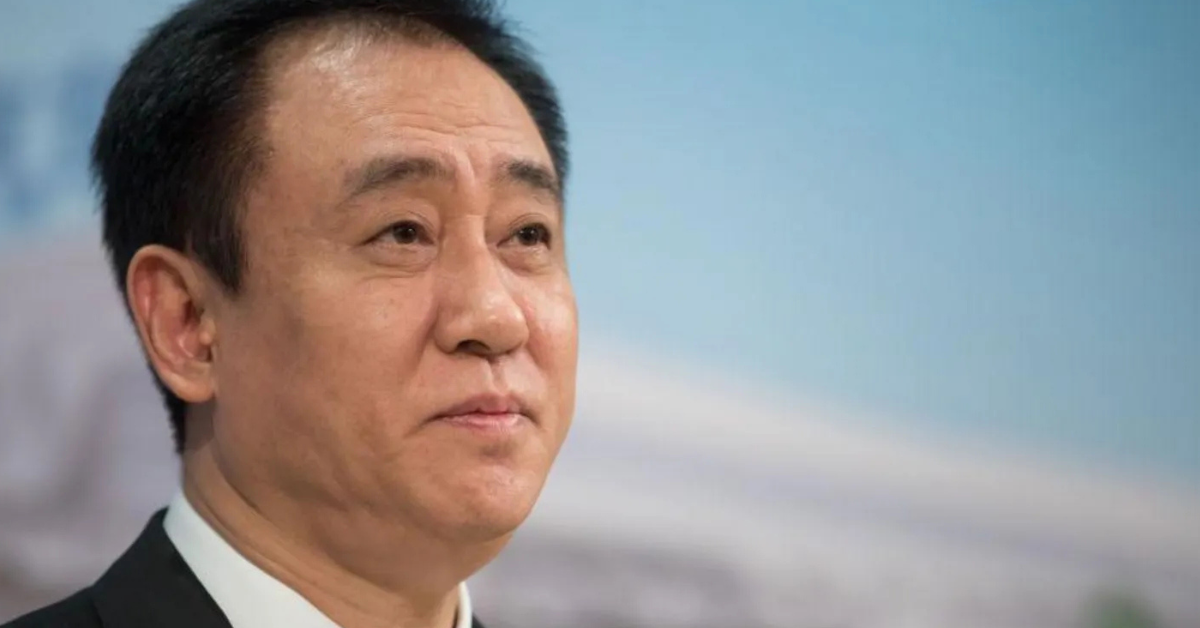
China’s troubled property sector entered a decisive phase after Hui Ka Yan, founder of Evergrande Group, pleaded guilty to multiple fraud-related charges in a high-profile court case.
During a public hearing held on April 13 and 14 in Shenzhen, Hui admitted to crimes including embezzlement and corporate bribery. He also expressed remorse, according to state media reports. However, the court has not yet delivered its final verdict.
This development marks a critical moment in the collapse of Evergrande, once China’s largest real estate developer. The company’s downfall has continued to send shockwaves across financial markets, affecting investors and banks both locally and globally.
Investigators revealed that Evergrande collected millions of dollars from homebuyers through pre-sale agreements. Instead of using the funds for construction, the company redirected the money into new projects. As a result, hundreds of housing developments remain unfinished across China.
Hui, also known as Xu Jiayin, built Evergrande from modest beginnings after growing up in rural China. He founded the company in 1996 and quickly expanded during the country’s economic boom. At its peak, Evergrande reached a market valuation exceeding $50 billion.
However, the company’s aggressive expansion relied heavily on borrowing. Over time, Evergrande accumulated debts totaling more than $300 billion, making it the world’s most indebted property developer.
In 2020, Chinese authorities introduced strict policies to curb excessive borrowing in the real estate sector. Consequently, Evergrande struggled to maintain cash flow and began selling properties at steep discounts. Despite these efforts, the company plunged into crisis by 2021.
Earlier in March 2024, regulators fined Hui $6.5 million and banned him from participating in China’s capital markets for life. Authorities also accused the company of inflating its revenue by $78 billion.
At the height of his success in 2017, Hui ranked among Asia’s richest individuals with a net worth of $42.5 billion. Meanwhile, Evergrande diversified into electric vehicles, food production, and even football, acquiring a major stake in Guangzhou FC.
Despite its vast empire, the company’s value collapsed dramatically. Its shares lost 99% of their worth before trading was halted on the Hong Kong stock exchange in August 2025.
Today, Evergrande’s crisis remains a key factor behind China’s prolonged property market downturn. With over 1,300 projects spread across 280 cities, the ripple effects continue to weigh heavily on the country’s economic outlook.
As the court prepares to announce its verdict, global markets and investors are watching closely. The outcome could reshape confidence in China’s real estate sector and redefine regulatory enforcement across major industries.