Physical Address
304 North Cardinal St.
Dorchester Center, MA 02124
Physical Address
304 North Cardinal St.
Dorchester Center, MA 02124

Amplifying African Entrepreneurs voices, one story at a time
Amplifying African Entrepreneurs voices, one story at a time
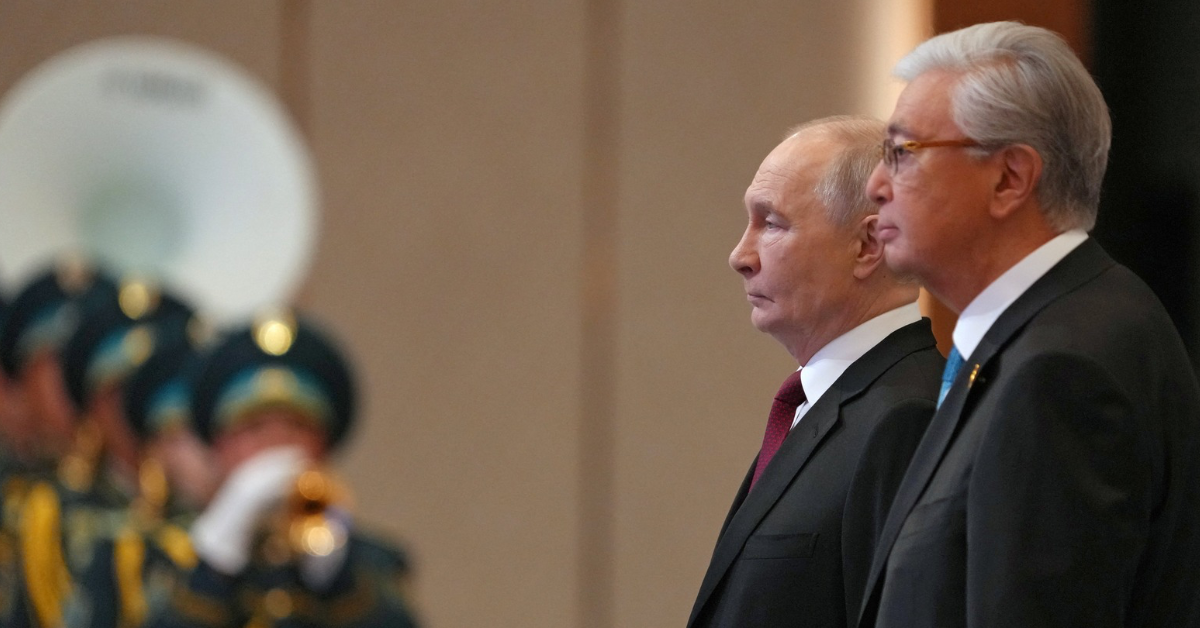
Russia has secured one of the biggest energy infrastructure deals in Central Asia after signing a $16.5 billion agreement to build Kazakhstan’s first nuclear power plant, a landmark project that could redefine the region’s energy future and deepen Moscow’s economic influence in the former Soviet republic.
The agreement, signed in Astana during high-level talks between Russian President Vladimir Putin and Kazakhstan President Kassym-Jomart Tokayev, gives Russia’s state nuclear corporation Rosatom the lead role in constructing the massive atomic energy facility near Lake Balkhash in southeastern Kazakhstan.
The project marks a historic turning point for Kazakhstan, the world’s largest uranium producer and a country long haunted by the environmental and human consequences of Soviet-era nuclear weapons testing.
Yet despite decades of public skepticism around nuclear energy, growing electricity demand and aging coal infrastructure have pushed the country toward atomic power.
Tokayev described the project as a strategic step for Kazakhstan’s long-term economic and energy security.
Putin, meanwhile, framed the deal as a major contribution to stabilizing Kazakhstan’s electricity supply while strengthening bilateral cooperation between both nations.
Under the agreement, Russia will also provide export financing to support construction of the plant, giving Moscow additional leverage in one of Central Asia’s most resource-rich economies.
Rosatom won the contract ahead of strong international competition that included China National Nuclear Corporation, France’s EDF and Korea Hydro & Nuclear Power.
Kazakhstan’s atomic energy agency said the plant will feature two advanced VVER-1200 Generation III+ reactors, with nearly $2 billion allocated for security systems and supporting infrastructure.
Kazakhstan plans to begin construction in 2027, while officials expect the first reactor to become operational by early 2034.
The nuclear project follows a national referendum held in 2024 where voters approved plans to build the country’s first atomic power station.
Authorities later selected the village of Ulken, located on the shores of Lake Balkhash, as the site for the facility.
For years, Kazakhstan relied heavily on coal-fired power stations despite possessing significant natural gas reserves.
However, rising domestic consumption and outdated generating facilities have increasingly strained the country’s power grid.
As a result, Kazakhstan now imports electricity, largely from Russia, to meet growing energy demand.
The deal also signals Russia’s determination to maintain strategic influence in Central Asia at a time when China, Europe and South Korea continue competing for infrastructure and energy partnerships across the region.
At the same time, Kazakhstan appears determined to diversify its energy mix while reducing pressure on its aging coal network.
The government has already approved plans for a second nuclear power plant, with China’s state-run CNNC expected to lead that separate project.
Energy analysts say the first plant could transform Kazakhstan into a regional nuclear energy hub given its enormous uranium reserves, expanding industrial base and rising electricity needs.
Still, public concerns over nuclear safety remain deeply rooted because of the devastating legacy of Soviet nuclear testing that left parts of the country contaminated for decades.
Even so, Kazakhstan’s leadership now sees nuclear power as critical to securing long-term energy stability, supporting industrial growth and reducing future electricity shortages.
The Russia-Kazakhstan nuclear agreement also arrives at a time when global demand for low-carbon energy sources continues rising rapidly.
Consequently, nuclear energy is regaining momentum worldwide as governments search for alternatives to fossil fuels while attempting to meet climate targets.
For Moscow, the multibillion-dollar deal delivers another geopolitical and economic victory in a strategically important region.
For Kazakhstan, it opens a new chapter in its energy transition while placing nuclear power at the center of its future economic ambitions.