Physical Address
304 North Cardinal St.
Dorchester Center, MA 02124
Physical Address
304 North Cardinal St.
Dorchester Center, MA 02124

Amplifying African Entrepreneurs voices, one story at a time
Amplifying African Entrepreneurs voices, one story at a time
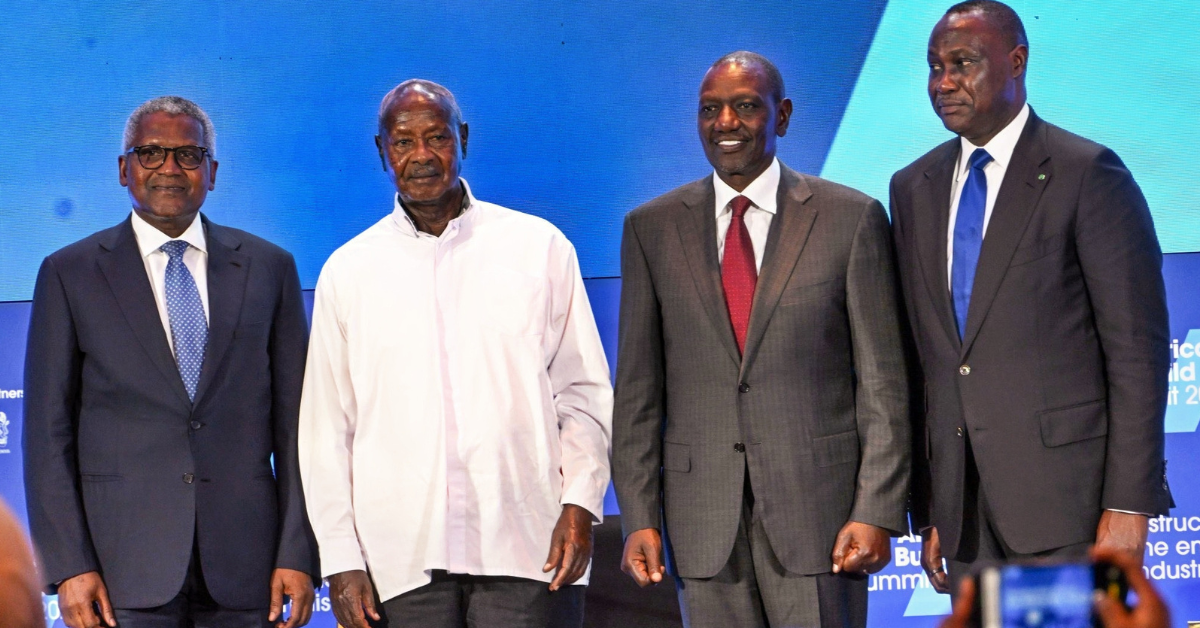
Africa’s richest businessman, Aliko Dangote, has stepped forward to lead a game-changing oil refinery project in East Africa, a move that could redefine the region’s energy future.
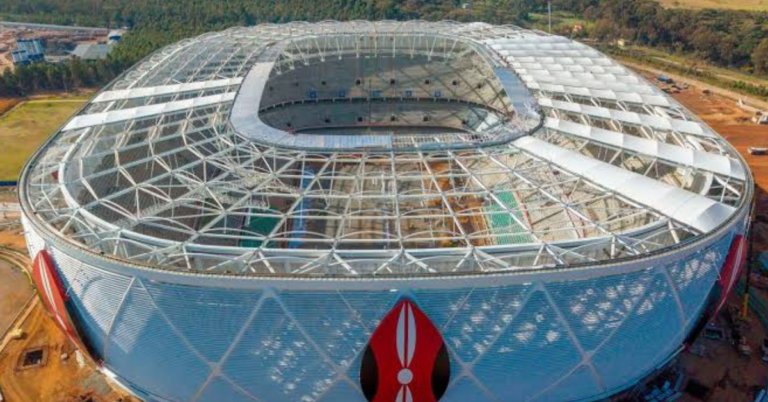
Speaking at the Africa We Build Summit 2026 in Nairobi, Dangote confirmed his commitment to spearhead the construction of a large refinery in Tanga. The facility will sit along Tanzania’s northeastern coast and connect to Mombasa through a regional pipeline.
This bold step comes as African nations push harder to reduce dependence on imported fuel. For years, the continent has exported crude oil while importing refined products at high costs. Now, leaders want to reverse that trend.
Kenya’s president, William Ruto, revealed that the refinery will process crude sourced from countries such as Democratic Republic of Congo and South Sudan. As a result, the project could strengthen regional cooperation and unlock new economic opportunities.
Dangote didn’t mince words about his ambition. He promised to deliver a refinery similar to the one he built in Nigeria, widely regarded as Africa’s largest. He also set a timeline of four to five years, signaling urgency and confidence.
Interestingly, this announcement arrives at a critical time. Africa produces about 7% of the world’s crude oil, yet refining capacity has dropped sharply over the past two decades. Consequently, many countries rely heavily on imports from the Middle East.
In fact, nations across East and Southern Africa import up to 75% of their fuel from Gulf suppliers. Kenya recently renewed supply agreements with firms like Saudi Aramco, Abu Dhabi National Oil Company, and Emirates National Oil Company. While these deals ensure supply, they also expose the region to global disruptions.
Meanwhile, geopolitical tensions in the Persian Gulf have already shown how fragile supply chains can be. This vulnerability has pushed African leaders to rethink their energy strategies.
Several refineries across the continent have shut down due to underinvestment. Facilities in Mombasa, Lusaka, Durban, and Limbe all faced closures, leaving supply gaps. However, momentum is shifting again. Countries are now racing to build new refining infrastructure.
For instance, Mozambique is exploring a 200,000-barrel-per-day refinery backed by investor Benedict Peters. At the same time, Uganda continues plans for a 60,000-barrel-per-day refinery to meet domestic needs and supply neighboring markets.
Uganda’s president, Yoweri Museveni, confirmed that his country could also supply crude to the proposed Tanga refinery. That collaboration could turn the project into a regional energy hub.
Notably, the refinery aligns with the East African Crude Oil Pipeline, a 1,443-kilometre pipeline linking Uganda’s oil fields to Tanzania’s coast. Together, these projects could reshape East Africa’s oil value chain.
Dangote’s move also fits into his broader $40 billion expansion strategy. He aims to double capacity at his Lagos-based refinery, further cementing his dominance in Africa’s energy sector.
Ultimately, this investment signals more than business growth. It reflects Africa’s determination to control its energy future, create jobs, and stabilize fuel prices.