Physical Address
304 North Cardinal St.
Dorchester Center, MA 02124
Physical Address
304 North Cardinal St.
Dorchester Center, MA 02124

Amplifying African Entrepreneurs voices, one story at a time
Amplifying African Entrepreneurs voices, one story at a time
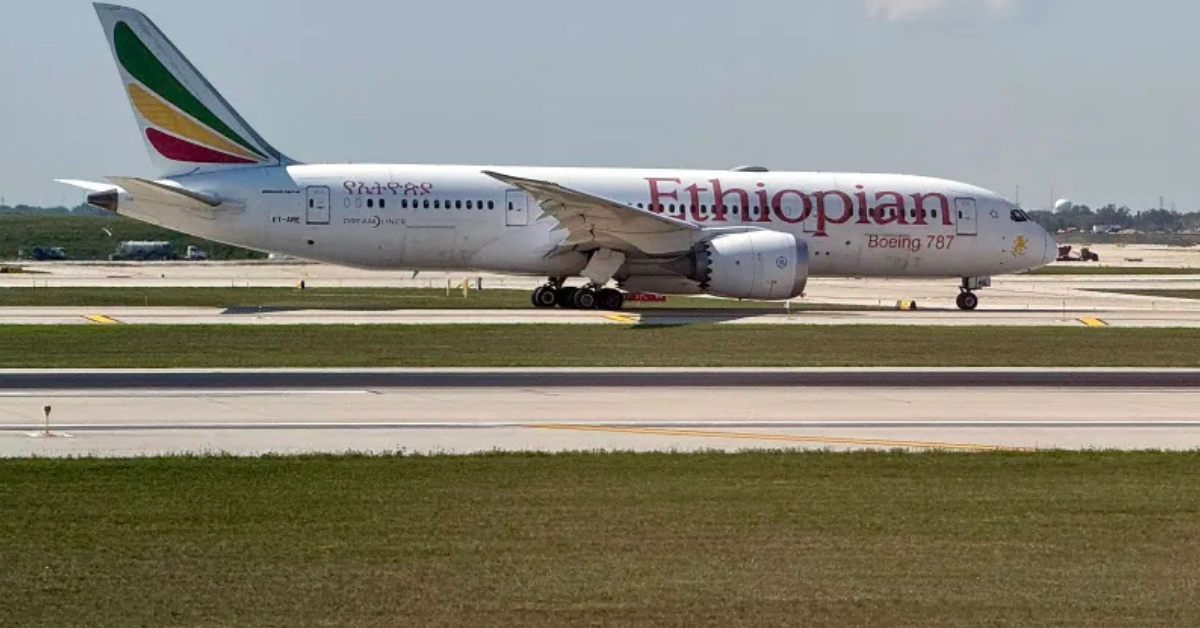
Ethiopia has launched construction of what could become Africa’s largest airport, a $12.5 billion mega project designed to reshape how people and goods move across the continent. The development, located about 30 miles southeast of Addis Ababa, signals a bold push to reduce Africa’s dependence on overseas transit hubs and strengthen regional connectivity.
For decades, travelers flying between African cities have often routed through Europe or the Middle East. However, Ethiopia aims to change that narrative with the Bishoftu International Airport project. The government began construction in January, and officials have already described it as the most ambitious aviation infrastructure investment in Africa’s history.
The new airport will open in 2030 with two runways and an annual capacity of 60 million passengers. Over time, planners expect that number to grow to 110 million passengers, surpassing some of the world’s busiest airports. This scale reflects Ethiopia’s intention to position itself as a central gateway for African and global travel.
Ethiopian Airlines, Africa’s largest carrier by fleet size and revenue, is leading the project. The airline plans to fund 30% of the development directly, while it continues negotiations with international partners to secure the remaining $8 billion. Interest from the United States, China, and Italy highlights the project’s global significance and investment appeal.
Addis Ababa already serves as a major aviation hub, yet Bole International Airport is approaching its limits. Space constraints have made expansion difficult, which pushed authorities to pursue a new, larger facility. Consequently, the Bishoftu airport will focus heavily on connecting passengers, allowing smoother travel within Africa and beyond.
The project also targets Africa’s growing cargo market. The airport will handle up to 3.73 million tons of freight annually, supporting the African Continental Free Trade Area. As trade volumes rise across the continent, improved logistics infrastructure will play a critical role in boosting economic growth.
Experts point to strong momentum in African aviation. Freight demand has risen significantly, outpacing global averages. Still, analysts warn that success depends on more than runway construction. Efficient roads, rail links, stable electricity, and modern customs systems must support the airport for it to reach its full potential.
Financing remains another key challenge. Securing billions of dollars within a short timeframe will test the project’s timeline. If funding delays occur, the 2030 completion target could face pressure. Despite this, optimism remains high as negotiations continue.
Designers have also placed a strong emphasis on architecture and sustainability. The airport’s terminal draws inspiration from Ethiopia’s Great Rift Valley, blending modern engineering with cultural identity. Open courtyards, natural lighting, and landscaped gardens aim to give transit passengers a unique sense of place.
Sustainability features include solar energy systems, locally sourced materials, and water management solutions that create wetlands around the site. While aviation contributes a small but significant share of global emissions, developers are attempting to reduce environmental impact through innovative design.
At the same time, the project has sparked controversy. Reports indicate that more than 15,000 people have been displaced from agricultural land. Ethiopian Airlines has committed $350 million to resettlement programs, including housing, schools, and healthcare facilities. However, some residents have raised concerns about compensation, adding complexity to the development.
Across Africa, airport investments are accelerating. Countries such as Rwanda and Burkina Faso are building new facilities, while major cities like Casablanca, Cairo, and Nairobi are upgrading existing airports. This wave of development reflects growing demand for air travel and trade connectivity.
Ethiopia’s ambition goes beyond infrastructure. The country wants its new airport to serve as a continental hub, similar to Dubai or Doha in the Middle East. Yet achieving that vision will require collaboration among African airlines and governments.
Efforts to liberalize air travel through the Single African Air Transport Market are already underway. More routes are opening, and passenger numbers are expected to rise sharply if policies are fully implemented. Lower fares and improved connectivity could transform travel across the continent.
Still, competition is intensifying. Smaller airlines and nations worry about losing market share to larger carriers. Industry analysts stress that infrastructure alone will not guarantee success. Policy execution, visa reforms, and sustained demand will ultimately determine the project’s impact.
Ethiopia’s $12.5 billion airport represents more than a construction milestone. It reflects a broader shift in Africa’s aviation strategy, one focused on independence, growth, and global competitiveness. If successful, Bishoftu International Airport could redefine how Africa connects to itself and the world.