Physical Address
304 North Cardinal St.
Dorchester Center, MA 02124
Physical Address
304 North Cardinal St.
Dorchester Center, MA 02124

Amplifying African Entrepreneurs voices, one story at a time
Amplifying African Entrepreneurs voices, one story at a time
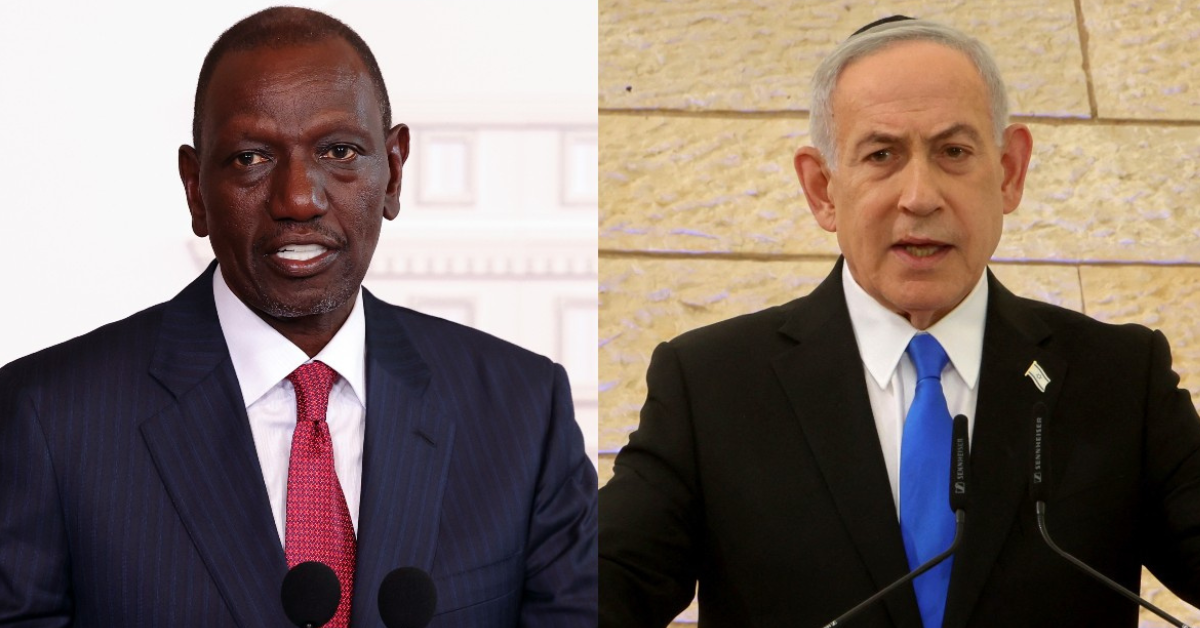
Israel has launched what experts describe as the world’s first mobile climate laboratory in Kenya, marking a major step in efforts to solve Africa’s long-running climate data shortage. The project could transform how governments, farmers, and scientists respond to climate change across the continent.
The advanced research facility is currently based in Machakos County after two months of operation. It sits at the Kapiti research site of the International Livestock Research Institute (ILRI) and is managed by Israel’s renowned Weizmann Institute of Science.
Experts say Africa remains one of the least monitored regions in the world despite facing some of the harshest climate impacts. Because of this gap, many weather and environmental models depend heavily on satellite estimates with little ground verification.
Israel’s Ambassador to Kenya, Gideon Behar, said the project directly addresses that challenge.
“There is a huge gap in climate data and climate knowledge in Africa, and the work of this laboratory helps us close this gap,” he said.
He added that reliable scientific evidence will help leaders make smarter decisions on agriculture, water management, and environmental protection.
The mobile laboratory carries more than 30 scientific instruments. These tools measure carbon exchange, solar radiation, water use, soil conditions, and vegetation activity. As a result, researchers can gather real-time data that many African regions currently lack.
Scientists believe the unit’s mobility gives it a major advantage. Instead of staying in one place, the lab can travel across forests, drylands, farms, and mountain ecosystems. Consequently, it can build a stronger picture of Africa’s changing climate systems.
Project scientist Eyal Rotenberg said climate models often struggle because researchers lack enough field measurements.
“Models are not well calibrated because there has been very little measurement. This initiative will provide the data needed to validate and improve those models,” he said.
The timing is critical. Africa faces rising temperatures, droughts, floods, food insecurity, and pressure on water resources. Better climate information could help communities prepare earlier and reduce losses.
ILRI Director General Appolinaire Djikeng said data-driven decisions are now essential.
“We are in a society where we need data to make decisions. The pressure from the climate crisis requires precision. This facility allows us to generate the evidence needed to guide sustainable food production and environmental management,” he said.
Kapiti has long supported livestock research, genetics, and nutrition studies. However, the arrival of the mobile climate lab expands its role into environmental science, biodiversity protection, and agricultural resilience.
Researchers plan to operate the project for at least three years. During that time, the laboratory will move to other strategic locations, including Mount Kenya, before later expanding into Tanzania and South Africa.
If successful, the initiative could lay the groundwork for a continent-wide climate monitoring network. It may also encourage stronger investment in African science, local expertise, and innovation.
As climate threats intensify, Africa’s ability to collect its own accurate data may become one of the most valuable tools for protecting food systems, economies, and millions of livelihoods.