Africa’s answer to global fuel shocks is no longer theoretical. It is already operating in Nigeria.
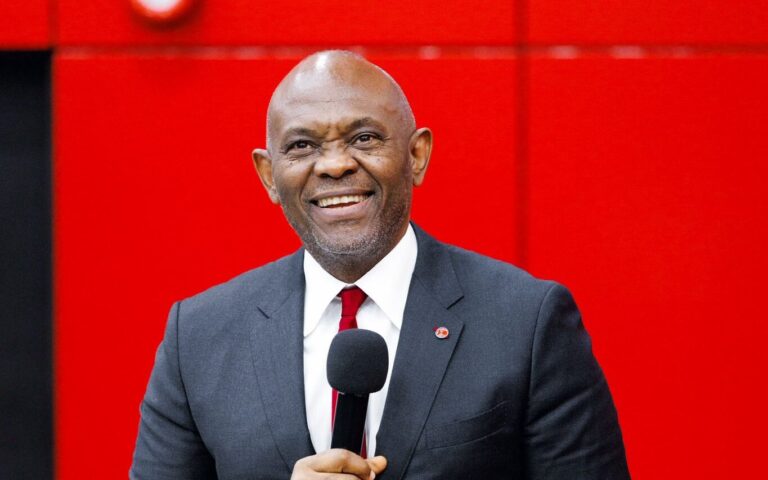
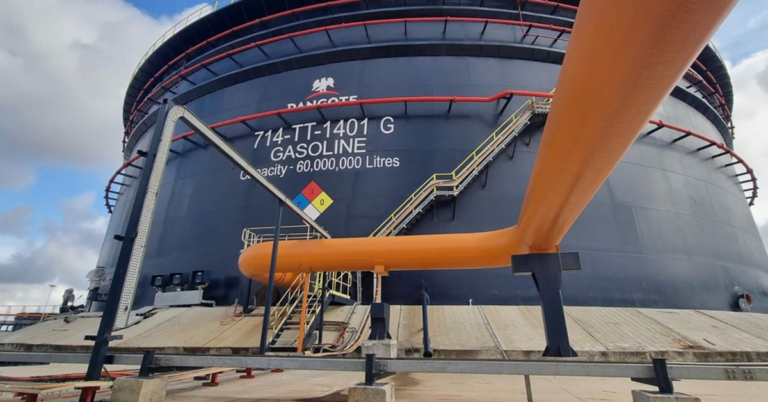
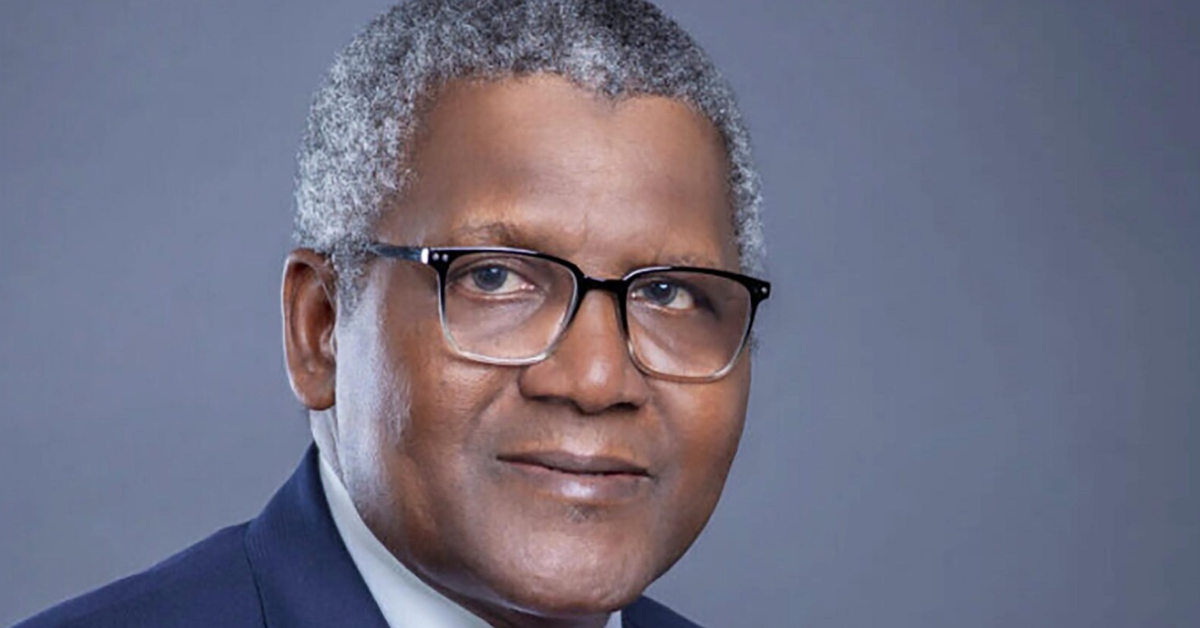
The $20 billion Dangote Petroleum Refinery, owned by African billionaire Aliko Dangote, has become one of the most powerful industrial assets on the continent. Built with deep support from India and China, the refinery is now reducing Africa’s dependence on imported fuel while positioning Nigeria as a new export hub.
For decades, many African nations relied heavily on Europe, the Middle East and the United States for refined petroleum products. However, that balance is beginning to change.
Dangote Refinery now runs at full capacity of 650,000 barrels per day, making it larger than most single-site refineries in Europe and competitive with top facilities in the United States. Its products now move across West Africa, Central Africa and East Africa, while cargoes have also reached Europe and parts of Asia.
This shift marks a major milestone for Nigeria. In March, the country became a net exporter of refined petroleum products for the first time in decades.
The timing matters.
Recent tensions involving the US-Israel war on Iran and pressure around the Strait of Hormuz exposed how vulnerable many fuel-importing nations remain. As supply chains tightened, Dangote Refinery emerged as a strategic alternative supplier for African markets.
India and China played major roles in turning that vision into reality.
Chinese industrial firms helped deliver the scale, speed and equipment required for a project of this size. China National Chemical Engineering handled a $520 million contract that formed the refinery’s core structure. Hangxiao Steel Structure supplied roughly 150,000 tonnes of prefabricated steel used during construction.
Sinopec later built and delivered the world’s largest atmospheric distillation tower, a key component that allows the plant to process 650,000 barrels per day efficiently.
China’s involvement continues. A $400 million agreement with XCMG supports the refinery’s next expansion phase, which aims to raise total capacity to 1.4 million barrels per day.
Dangote also disclosed that Chinese manufacturers, including Foton Motor, delivered more than 10,000 compressed natural gas trucks within months. That fast delivery strengthened logistics and distribution across Nigeria and beyond.
India’s role focused more on engineering leadership and project continuity.
Engineers India Ltd recently renewed a $350 million contract to support expansion of the refinery and petrochemicals complex. The company serves as Project Management Consultant and Engineering, Procurement and Construction Management adviser, continuing work from the first phase commissioned in 2024.
India also helped train future refinery operators.
Between 2016 and 2018, Dangote Group sent about 800 Nigerian graduates to Bharat Petroleum Corporation Limited in Mumbai. They trained in refinery operations, maintenance and production over a 24-month period.
That move created a pipeline of local talent before production even began.
At peak construction, the project employed more than 30,000 Nigerians alongside thousands of Indian and Chinese specialists. The workforce reflected the technical complexity of building one of the world’s most ambitious refining projects.
Now the economic results are becoming visible.
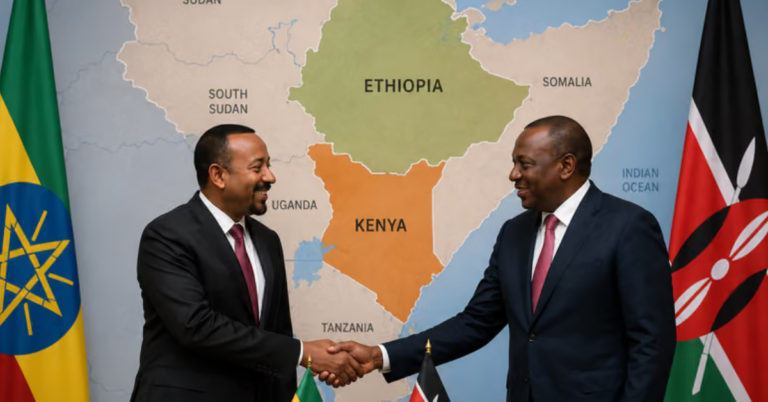
Dangote Refinery has supplied fuel to Ghana, Togo, Cameroon and Tanzania. It has also started delivering aviation fuel to international airlines, including Ethiopian Airlines.
As output grows, Africa could keep more fuel spending within the continent instead of sending billions abroad each year.
The next phase may be even bigger.
With a second processing train planned, total capacity could rise to 1.4 million barrels per day. Once completed, the site could overtake India’s Jamnagar complex as the world’s largest refinery hub.
That would place Nigeria ahead of Europe’s biggest plants and close to the scale of America’s largest refineries.
The expansion forms part of Dangote Group’s Vision 2030 strategy, which targets $100 billion in annual revenue through refining, fertiliser and cement investments backed by a $40 billion capital programme.
For Africa, Dangote Refinery is more than a business success story.
It is proof that world-scale infrastructure can be built on the continent, financed through global partnerships, and used to reshape international trade.