Physical Address
304 North Cardinal St.
Dorchester Center, MA 02124
Physical Address
304 North Cardinal St.
Dorchester Center, MA 02124

Amplifying African Entrepreneurs voices, one story at a time
Amplifying African Entrepreneurs voices, one story at a time
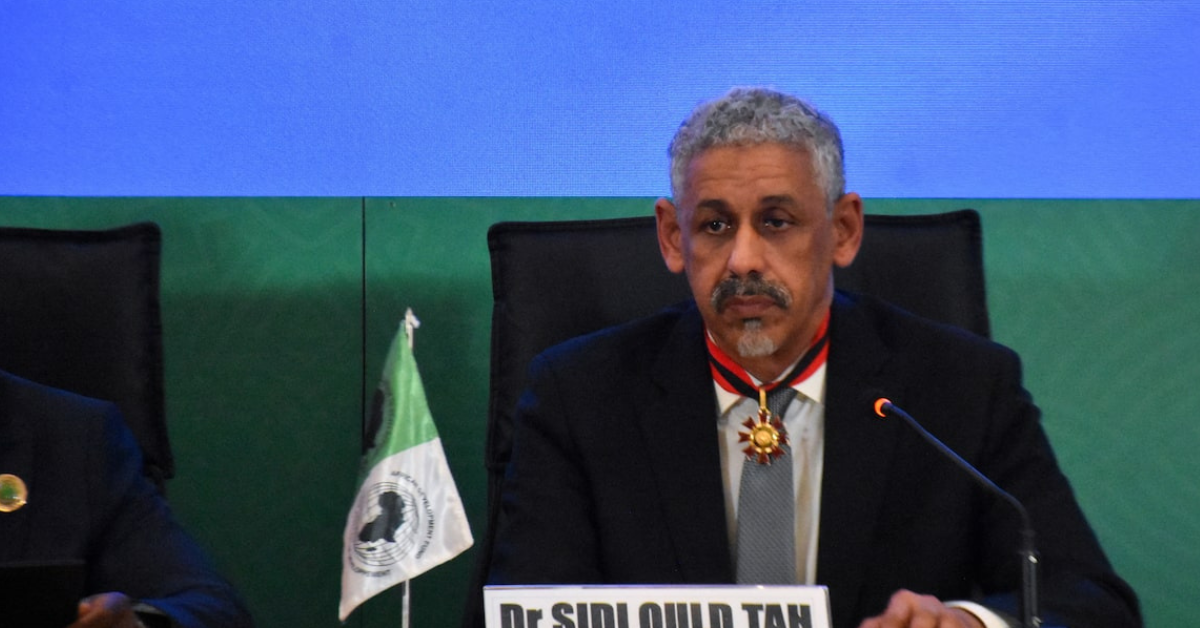
The African Development Bank (African Development Bank) has committed $125 million to African Trade and Investment Development Insurance (ATIDI), positioning itself as the largest shareholder in a strategic push to transform how infrastructure and private investment flow across Africa.
The deal signals a sharper shift in Africa’s development finance model. Rather than relying heavily on shrinking foreign aid, the AfDB is moving to mobilize domestic capital and institutional funds.
The bank’s leadership now targets a major expansion of guarantee-backed investments to reduce risk and attract global investors into African markets.
AfDB President Sidi Ould Tah is driving this agenda under a broader strategy aimed at reshaping Africa’s financial architecture. He has set an ambitious goal to raise ATIDI’s annual guarantee capacity to $10 billion.
This would more than triple current levels and open new funding channels for infrastructure, energy, and industrial projects across the continent.
At present, ATIDI covers about $3 billion in investments annually. However, the institution believes it can scale far beyond that if more capital and shareholders enter the system.
With AfDB’s new stake rising from 3% to 14%, the platform gains stronger financial backing and credibility among global investors.
The timing reflects growing pressure on African economies. Development aid from wealthy nations fell sharply last year, dropping to $174.3 billion globally.
The United States led the decline, tightening flows into concessional financing channels, including those tied to AfDB programs.
As a result, African policymakers are now accelerating efforts to tap the continent’s estimated $4 trillion in institutional capital. These funds sit in pension schemes, sovereign wealth funds, and domestic savings pools, but they remain fragmented and underutilized.
AfDB argues that better coordination could help close Africa’s estimated $400 billion annual infrastructure financing gap.
ATIDI, headquartered in Nairobi, was created 25 years ago to reduce investment risk through guarantees and insurance products.
Its structure includes 24 African member states and several institutional investors, including Germany’s KfW Development Bank. France is also exploring an expanded role, with discussions expected at upcoming G7 meetings in Evian.
The AfDB is now encouraging more African governments and financial institutions to take ownership stakes in ATIDI. The goal is to strengthen its capital base and expand its ability to support large-scale projects.
This approach reflects a broader belief that Africa must increasingly finance its own development through structured financial tools.
However, some analysts caution that stronger savings mobilisation across African economies remains essential. Sub-Saharan Africa’s savings rate stands near 18%, less than half the global average, limiting long-term investment capacity.
Despite this, AfDB leadership maintains confidence that improved financial coordination can shift the trajectory.
“We can mobilise African resources to finance African development,” Tah said, reinforcing the bank’s long-term vision of financial independence.